
Companion Plants
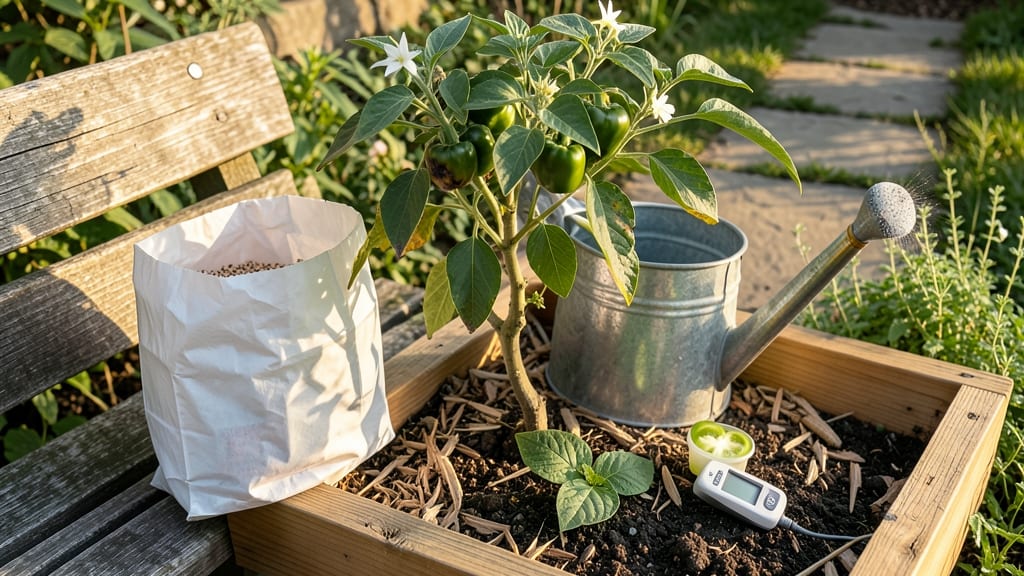
Your peppers are showing those ugly black spots—how to fix calcium deficiency in the plants is the first step to saving your harvest.
Blossom-end rot is a calcium deficiency scream for help. 🌱 I’ve seen this turn around in days with the right fix, and I’ll show you exactly how to stop it before your harvest disappears. The problem starts when peppers can’t absorb enough calcium, often from inconsistent watering or poor soil.
Eggshells and Epsom salt are your secret weapons—crushed shells add calcium directly, while magnesium in Epsom salt helps roots absorb it better. No fancy tools needed, just a little prep work. You’ll see new growth within a week, with fewer rotten spots and stronger stems.
The fix works for both garden beds and containers, and once you adjust your watering routine, you’ll prevent it from happening again. For urgent cases, a quick foliar spray with diluted calcium nitrate gives fast results. Let’s get those peppers back on track!
Root Causes of Calcium Deficiency
Calcium deficiency in pepper plants—often called blossom end rot—isn’t just a random setback. It’s a clear signal that something fundamental is off in your plant’s environment or care routine. Understanding the why behind calcium shortages helps you fix the problem for good.
Let’s break down the most common culprits, from soil science to watering habits, so you can take targeted action.
---
Calcium deficiency often starts in the soil, where your pepper plants compete for nutrients—or worse, struggle to access them at all.
#### 1. Low Calcium Availability in Soil Pepper plants thrive when soil has balanced calcium levels (typically 1,000–5,000 ppm in ideal growing conditions).
However, several factors can deplete or bind calcium, making it unavailable: - High acidity (low pH < 6.0): Acidic soils dissolve calcium too quickly, leaching it away before roots can absorb it. Think of it like a locked vault—calcium is there, but your plant can’t open the door. - Compacted or clay-heavy soil: Poor drainage and tight soil particles trap water around roots, creating anaerobic (oxygen-poor) zones where beneficial microbes struggle to break down calcium compounds. - Excessive potassium or magnesium: These nutrients outcompete calcium for uptake.
If your fertilizer is heavy on K (potassium) or Mg, roots prioritize those over Ca, leaving your peppers starving.
#### 2. Organic Matter Breakdown Starves Roots Freshly amended soil (like compost or manure) is a double-edged sword. While it adds nutrients, rapid decomposition can temporarily tie up calcium in organic compounds, making it temporarily inaccessible.
This is especially true in: - Newly planted beds where organic matter is still decomposing. - Over-fertilized gardens where microbes gobble up calcium to break down fresh amendments.
--- Water is the lifeline of your pepper plants—but poor watering habits can wash calcium out faster than roots can absorb it.
#### 3. Inconsistent Moisture Levels Pepper plants hate moisture swings. When soil dries out and then gets soaked again: - Calcium leaches away during heavy watering, especially in sandy or loose soils. - Root uptake becomes erratic, causing calcium to accumulate in some areas while others starve.
#### 4.
Hard Water vs. Soft Water: The Mineral Mismatch - Hard water (high in calcium/magnesium): Sounds great, but if you’re overwatering with hard water, you risk salinity buildup in the soil, which can actually block calcium absorption. - Soft water (low in minerals): Lacks natural calcium, so your plants rely entirely on soil reserves—which may already be depleted.
--- Even with perfect soil, external factors can disrupt calcium uptake.
#### 5. Temperature Fluctuations - Cold nights (<50°F/10°C): Slow down root activity, reducing calcium absorption. - Heat stress (>90°F/32°C): Causes transpiration spikes, where water evaporates faster than roots can replenish it—dragging calcium along for the ride.
#### 6. Over-Fertilization with Nitrogen Too much nitrogen (common in fast-acting fertilizers) speeds up plant growth but delays fruit development. Since calcium is critical for cell wall formation in fruits, your peppers may look lush but still suffer from blossom end rot despite green leaves.
#### 7. Root Damage or Disease - Fungal infections (e.g., root rot): Destroy root hairs responsible for calcium uptake. - Physical root damage (from transplant shock or cultivation): Reduces surface area for absorption.
--- Before diving into fixes, watch for these visual red flags: - Blossom end rot: Dark, sunken spots on the bottom of peppers (classic calcium deficiency). - Stunted growth or weak stems: Calcium strengthens cell walls—without it, plants wilt easily. - Leaf curling or yellowing between veins: A sign roots aren’t getting enough calcium to support new growth.
--- | Symptom | Calcium Deficiency? | Other Possible Causes | |---------------------------|--------------------------|------------------------------------| | Dark spots on pepper bottom | ✅ Yes | Magnesium deficiency (less common) | | Crispy, brown leaf edges | ✅ Yes | Overwatering or salt buildup | | Slow fruit set | ✅ Possible | Phosphorus deficiency or heat stress | | Yellowing lower leaves | ❌ No (usually nitrogen) | Root rot or over-fertilization |
--- Key Takeaway: Calcium deficiency is rarely a single issue—it’s usually a combo of poor soil, watering mistakes, or environmental stress. The good news? Once you identify the root cause (or causes), you can target fixes like Epsom salt, eggshell tea, or soil amendments for long-term health. 🚀
Quick Fixes for Calcium-Hungry Peppers
Now that you know the signs and root causes of calcium deficiency in your pepper plants, let’s roll up our sleeves and get them back on track! The good news? Many solutions are simple, budget-friendly, and even use items you might already have at home.
Here’s how to tackle the problem, broken down by cause—plus tips to keep your peppers thriving long-term.
---
If your soil is the culprit (low calcium, high acidity, or poor drainage), these remedies will give your peppers the boost they need:
#### 1. Boost Calcium with Eggshells (Free & Easy!) Eggshells are a garden goldmine for calcium.
Here’s how to use them: - 🔥 Crush and dry: Rinse empty eggshells, dry them in the sun or oven (200°F for 10 minutes), then grind into a fine powder using a blender or mortar and pestle. - 🍳 Mix into soil: Sprinkle 1–2 tablespoons of eggshell powder around the base of each pepper plant, then gently work it into the top 2 inches of soil. - 🥘 Water it in: Lightly water the area to help the calcium dissolve and reach the roots. - ⏰ Repeat monthly: For severe deficiencies, reapply every 4–6 weeks or mix into compost for slow-release benefits.
Pro tip: 💡 Speed up absorption by soaking crushed eggshells in water for 24 hours, then use the liquid as a foliar spray (dilute 1:10 with water) to treat calcium-deficient leaves quickly.
#### 2.
Apply Lime (For Acidic Soil) If your soil pH is too low (below 6.0), lime raises calcium levels and balances acidity: - 🌡️ Test first: Use a soil pH kit to confirm acidity before adding lime. - 📊 Choose the right lime: - Garden lime (calcium carbonate): Best for general use. - Agricultural lime (dolomitic lime): Adds magnesium too. - 🎯 Apply sparingly: Sprinkle ½–1 pound of lime per 100 square feet of garden bed.
Work it into the top 6 inches of soil. - ✨ Wait 2–4 weeks: Lime takes time to adjust pH—avoid heavy feeding until the soil stabilizes.
Warning: 🔥 Don’t overdo it! Too much lime can raise pH too quickly, locking out other nutrients. Test soil again in 3 months.
#### 3. Use Calcium-Rich Amendments For an instant calcium fix, try these soil boosters: - Bone meal: High in calcium and phosphorus. Mix 1–2 tablespoons per plant into the soil. - Gypsum (calcium sulfate): Safe for all soil types, even sandy ones.
Sprinkle 1–2 cups per 100 square feet and water in. - Crushed oyster shell: A slow-release calcium source. Scatter lightly around plants and till into the soil.
---
Calcium deficiency often flares up when watering habits are off. Adjust these to prevent "calcium leaching":
#### 1. Water Deeply and Less Frequently - 👨🍳 Avoid shallow watering: Light, frequent watering keeps roots near the surface, where calcium is scarce.
Instead, water deeply 1–2 times per week to encourage roots to grow deeper. - 🥘 Use drip irrigation: Keeps water consistent and reduces evaporation, helping calcium stay available.
#### 2. Use Rainwater or Filtered Water - 🌡️ Tap water issues: Chlorine and fluoride can interfere with calcium uptake.
If your tap water is hard (high in minerals), it’s actually good—but if it’s soft, switch to: - Rainwater: Collect in barrels (untreated, no contaminants). - Filtered water: Use a reverse osmosis filter and remineralize with a pinch of calcium chloride.
#### 3. Flush the Soil (For Salt Buildup) If your soil has high salt levels (from fertilizers or poor drainage), calcium can’t absorb properly: - 🔥 Give the soil a flush: Water the bed deeply for 15–20 minutes to leach out excess salts. Repeat every 2–3 weeks if needed.
---
When roots can’t absorb enough calcium quickly, a foliar spray delivers it directly to leaves: - 🥘 DIY calcium spray recipe: - 1 gallon of water - 1 tablespoon of calcium chloride (or calcium nitrate) - 1 tablespoon of mild liquid soap (helps adhesion) - Mix well and spray on leaves (early morning or late evening to avoid sunburn). - 🍎 Repeat every 7–10 days until new growth appears healthy.
Pro tip: 💡 Combine with magnesium (like Epsom salt) for a balanced spray—peppers need both!
---
Once your plants recover, lock in their health with these habits: - 📊 Test soil annually: Know your soil’s calcium and pH levels to act before deficiency strikes. - 🥗 Rotate crops: Avoid planting peppers (or other heavy calcium users like tomatoes) in the same spot yearly. - 💪 Mulch with compost: Adds organic calcium over time and improves soil structure. - 🌡️ Monitor weather: After heavy rains or extreme heat, check leaves for early signs of deficiency and adjust watering. - 🎯 Companion plants: Grow basil, marigolds, or beans nearby—they improve soil health and deter pests that stress peppers.
--- Final Thought: 🌟 Calcium deficiency is manageable, and your peppers will bounce back faster than you think! Start with one or two fixes (like eggshells + deep watering) and observe changes in 2–3 weeks. With a little TLC, you’ll be harvesting juicy, crisp peppers in no time.
Frequently asked questions
How quickly will my pepper plants show improvement after adding calcium?
You should see visible changes within 7-14 days if you're using foliar sprays or eggshell tea. For soil amendments like crushed eggshells or lime, expect results in 3-4 weeks as calcium becomes available to roots. The fastest fix is a calcium nitrate spray—new growth appears within a week!
Can I use coffee grounds to fix calcium deficiency in peppers?
Coffee grounds actually lower soil pH, which can make calcium even less available to your plants. While they add organic matter, they're not a calcium source. Stick to eggshells, lime, or bone meal instead. If you love coffee grounds, use them as mulch but pair with calcium-rich amendments for best results.
Will adding calcium help my pepper plants produce more fruit?
Yes! Calcium strengthens cell walls, which helps peppers develop properly and prevents blossom-end rot. While it won't dramatically increase yield, you'll get healthier, larger peppers with better texture. The key is consistent calcium availability—don't expect miracles from a one-time treatment.
Is it safe to use eggshells from cooked eggs with garlic or onion in them?
No, avoid eggshells that contained seasoned or cooked eggs. The residue can introduce unwanted flavors or even mild toxicity to your plants. Stick to plain, unseasoned eggshells only. Rinse thoroughly before drying and crushing to remove any potential contaminants.
How do I know if my pepper plants need calcium or magnesium?
Check the symptoms: Calcium deficiency shows as black spots on pepper bottoms (blossom-end rot) and weak stems. Magnesium deficiency causes yellowing between leaf veins (starting on older leaves). For fast results, use Epsom salt (magnesium) or calcium nitrate—both are water-soluble and work quickly.