
Size
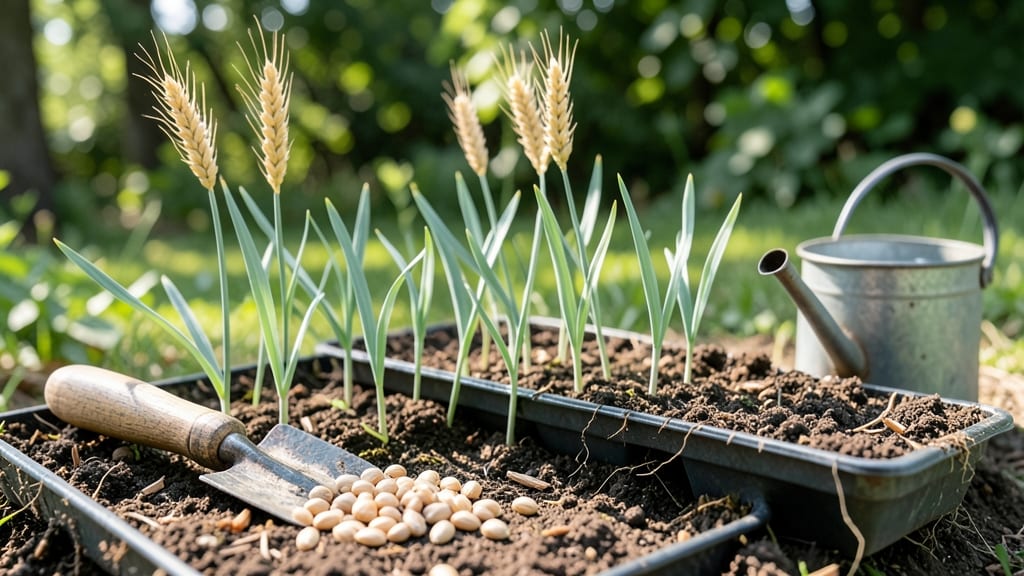
How to grow einkorn wheat feels like bringing back a piece of history—hardy, ancient, and shockingly adaptable. 🌱 I planted my first patch last spring, and within months, I was harvesting golden spikes that tasted nothing like modern wheat. This isn’t just nostalgia; it’s a foolproof way to grow a grain that thrives in poor soil and resists drought better than most modern varieties.
The secret lies in its simplicity: einkorn doesn’t need rich soil or constant fussing. Start with a sunny spot (at least 6 hours of light daily), loosen the top 12 inches of soil, and mix in compost.
Plant seeds 1 inch deep, spaced 6 inches apart, in early spring or late summer. Unlike fussy modern wheat, einkorn tolerates dry spells and even light shade—perfect for small spaces or neglected corners of the garden.
By midsummer, you’ll see tall, elegant stalks with dense spikes, and harvesting is just as easy. Let the grain dry fully on the stalk before cutting and threshing (or shake it in a burlap sack for a rustic touch).
The result? Nutrient-rich flour with a nutty, complex flavor that modern bakers are obsessed with. No wonder it’s making a comeback!
Works in containers, raised beds, or small plots—even urban gardeners can grow it. The best part? Once you try it, you’ll never go back to store-bought flour again. Here’s how to get started without the guesswork.
📚 In This Guide
- What you need
- Instructions
- Tips and common mistakes
- Wrapping up and next steps
What you need
- ● Einkorn wheat seeds: 1–2 lbs (organic, heirloom, or certified non-GMO for best results). Look for varieties like Einkorn ‘Russian’ or ‘Albanian’.
- ● Well-draining soil: Sandy loam or clay-loam with a pH of 6.0–7.5. Test your soil or amend with compost if needed.
- ● Fertilizer: Low-nitrogen, phosphorus-rich option (e.g., 5-10-10 or compost tea) to avoid excessive tillering.
- ● Water source: Drip irrigation or a soaker hose (einkorn dislikes soggy roots!).
- ○ Trellis or support: Optional but helpful for tall varieties (e.g., ‘Albanian’) to prevent lodging.
- ● Garden bed or raised planter: Minimum 12” deep and 3–4 ft wide for rows.
- ● Hand trowel or broadfork: For planting seeds 1–1.5” deep and 6–8” apart.
- ● Pruners or scissors: For harvesting heads (avoid sickles—einkorn’s delicate!).
- ● Thin cloth or mesh bag: To dry and store harvested grain (prevents mold).
- ● Seedling heat mat: If starting indoors (60–70°F for germination).
- ● Row cover: Lightweight fabric to protect young sprouts from pests.
- ● Grain mill or mortar & pestle: For post-harvest processing into flour.
- ● Journal or app: Track planting dates, soil conditions, and growth stages!
Step-by-Step instructions for growing einkorn wheat
Einkorn thrives with patience and precision—here’s how to cultivate this ancient grain like a pro.
🌱 Step 1: Start Seeds Indoors for Strong Starts
Sow einkorn seeds in 4-inch pots filled with sterile seed-starting mix about ½ inch deep, spacing them 1 inch apart. Einkorn germinates best in 65-75°F soil, so use a heat mat if your home runs cooler. Keep the mix consistently moist but never soggy—einkorn hates waterlogged roots.
Cover the pots with plastic wrap to retain humidity, then place them in bright, indirect light. You’ll see sprouts in 7-14 days—this ancient grain germinates slower than modern wheat. Once the first true leaves appear, remove the plastic to prevent fungal growth. I always label my pots because einkorn seedlings look delicate at first but grow surprisingly fast.
🌿 Step 2: Harden Off and Transplant Outdoors
After 4-6 weeks indoors, when seedlings have 3-4 leaves, start hardening them off. Place pots outside in partial shade for 2-3 hours the first day, gradually increasing exposure over 7-10 days. Einkorn tolerates cooler temps better than modern wheat, but sudden temperature swings can stress it.
Transplant seedlings 12-18 inches apart in well-draining soil with a pH of 6.0-7.5. Choose a sunny spot with 6+ hours of direct light daily—einkorn needs full sun to develop properly. I dig a hole twice as wide as the root ball to encourage deep root growth, which helps the plant withstand drought later in the season.
☀️ Step 3: Maintain Soil and Water for Optimal Growth
Einkorn prefers moderate moisture—water deeply once a week (or when the top 2 inches of soil feel dry). Avoid overhead watering to prevent fungal diseases like powdery mildew, which can devastate einkorn’s tender leaves. A drip irrigation system works best for consistent moisture without wetting the foliage.
Fertilize lightly with a balanced organic fertilizer (10-10-10) at planting and again when tillers (side shoots) emerge. Einkorn is more drought-tolerant than modern wheat, but it rewards attentive care with thicker stalks and higher yields. Watch for pale leaves or stunted growth—these are signs of nutrient deficiency or overwatering.
✂️ Step 4: Harvest and Process at Peak Maturity
Einkorn reaches maturity in 90-100 days when the seed heads turn golden-brown and the kernels rattle inside. Cut the stalks with clean shears, leaving 2 inches of stem to dry. Bundle them in small groups and hang upside down in a well-ventilated, dry space for 2-3 weeks until fully dry.
Once dry, thresh the grains by hand or with a flail to separate them from the chaff. Einkorn’s ancient genetics make it lower-yielding than modern wheat, but its nutty, chewy texture and high protein content make it worth the effort. Store dried grains in an airtight container in a cool, dark place for up to 12 months.
Tips & tricks for perfect einkorn cultivation
Between us, growing einkorn isn't just about following steps—it's about understanding the quirks of this ancient grain. Here's what I've learned after years of trial and error.
Soil Temperature Precision: The 65-75°F soil temperature range in Step 1 is non-negotiable for germination. I've found that using a small, inexpensive soil thermometer buried 2 inches deep gives you real-time accuracy. If your home runs cooler, a heat mat set to maintain 70°F works wonders—just monitor closely to avoid overheating, which can kill the seeds before they sprout.
Lighting Strategy for Seedlings: While bright indirect light is ideal in Step 1, I've discovered that supplementing with a simple LED grow light for 12 hours daily can make all the difference in cooler months. Position it 6-8 inches above the seedlings and adjust as they grow. The goal is to prevent that classic "leggy" seedling syndrome where they stretch toward any available light source.
Transplanting Timing Secret: Don't rush the 4-6 week indoor period in Step 2—those extra weeks build stronger root systems. I've noticed that seedlings with 4-5 leaves transplant more successfully than those with just 3. Also, time your transplanting for a cloudy day or late afternoon to reduce transplant shock from direct sunlight.
Harvesting Visual Cues: The golden-brown color and rattling kernels in Step 4 are your clearest indicators, but I've learned to also check the inner glumes (the papery outer layers). When they easily separate from the kernel with gentle pressure, that's your perfect harvest window. Overlooking this can mean waiting too long, which reduces yield and quality.
Pro Tips for Grow Einkorn
- Between us, growing einkorn isn't just about following steps—it's about understanding the quirks of this ancient grain.
- Soil Temperature Precision: The 65-75°F soil temperature range in Step 1 is non-negotiable for germination.
- Lighting Strategy for Seedlings: While bright indirect light is ideal in Step 1, I've discovered that supplementing with a simple LED grow light for 12 hours daily can make all the difference in cooler months.
Frequently asked questions
Got questions about growing einkorn? You’re not alone—this ancient grain is gaining popularity, but it comes with unique challenges. Below, we’ve answered the most common questions to help you grow einkorn like a pro!
Can einkorn grow in my climate?
Einkorn thrives in cool to moderate climates (similar to wheat) and prefers USDA Hardiness Zones 3–8. It tolerates light frosts but struggles in extreme heat or humidity. If you’re in a warmer zone, plant it in early spring or fall for better success.
How long does it take for einkorn to mature?
Einkorn typically matures in 90–120 days, depending on your climate and variety. Keep an eye out for golden, plump heads—when the seed heads turn brown and dry, it’s harvest time! Early varieties may mature faster in cooler regions.
What’s the easiest way to harvest einkorn?
Harvest when the seed heads are fully dry and golden-brown (usually late summer). Use a scythe or sickle to cut the stalks, then bundle and dry them in a well-ventilated area for 1–2 weeks. Once dry, thresh the grains by hand or with a flail.
What pests or diseases should I watch for?
Einkorn is disease-resistant but can attract birds, rodents, and aphids. Use row covers to deter pests and rotate crops to prevent soil-borne issues. If you spot rust or powdery mildew, remove affected plants immediately.
Can I grow einkorn in containers?
Yes! Einkorn grows well in deep containers (at least 12 inches) with good drainage. Use a light, well-draining soil mix and plant seeds 1 inch deep, 6 inches apart. Just ensure your containers get full sun (6+ hours daily) for best results.
Wrapping up and next steps
Growing einkorn wheat is a rewarding journey that connects you to ancient traditions while yielding a nutritious, flavorful grain perfect for modern baking. With the right soil, patience, and care, you’ll harvest a crop that’s not just historically rich but also delicious and versatile.
Whether you’re a seasoned gardener or a curious beginner, every seed planted is a step toward self-sufficiency and culinary adventure!
🌱 Your Next Step: Plant & Experiment!
Ready to dive in? Start small—grow a few rows this season, experiment with recipes, and share your einkorn creations with friends. Who knows? You might just inspire others to rediscover this ancient grain for modern tables. Happy growing! 🌾✨