
Size
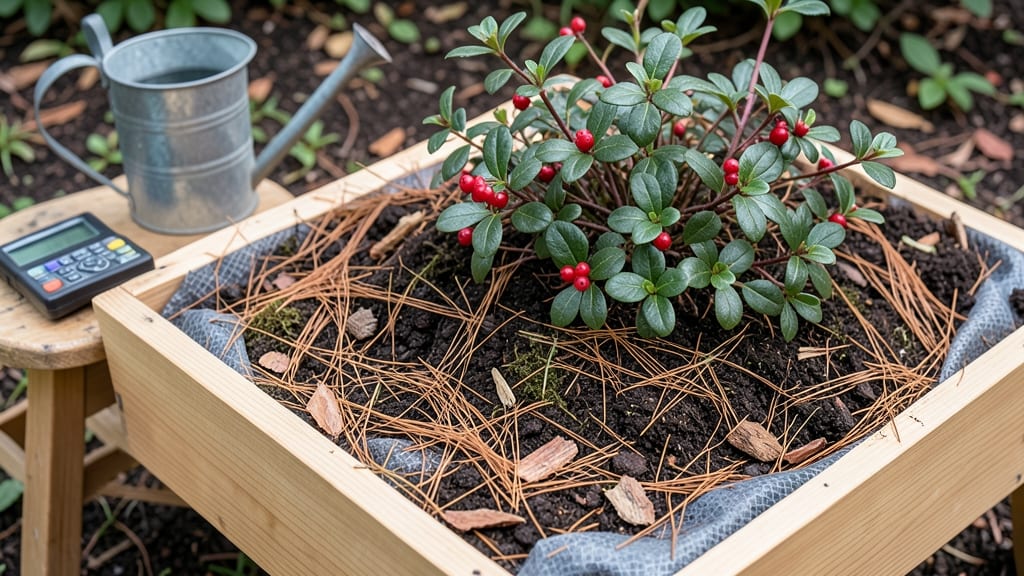
How to grow lingonberries reveals a rewarding challenge for gardeners willing to embrace their unique needs. 🌿 Their bright red berries and delicate foliage make them a standout in any garden, but growing them requires understanding their acidic soil needs and cool-climate preferences.
The secret to success starts with soil—lingonberries demand pH 4.0-5.0, mimicking their natural bog habitat. Mix peat moss or pine needles into your planting area to create the perfect acidic environment. They also love full sun but tolerate partial shade, making them versatile for gardens in zones 3-6.
Once planted, lingonberries reward patience with years of harvests—they can produce fruit for decades if cared for properly. Prune lightly in early spring to encourage bushier growth, and water consistently to keep the soil moist but not soggy.
Whether you're growing in containers or ground beds, lingonberries add a unique, tart flavor to your garden. The key is consistency—acidic soil, regular water, and a little pruning go a long way. Ready to grow your own? Let’s get started!
📚 In This Guide
- What you need
- Instructions
- Tips and common mistakes
- Wrapping up and next steps
What you need
- ● Lingonberry plants: 3–5 healthy, disease-free Vaccinium vitis-idaea plants (bare-root or potted). Pro tip: 💡 Choose low-bush varieties for easier maintenance!
- ● Acidic soil (pH 4.0–5.5): Peat moss or sphagnum peat (50% of soil mix).
- ● Pine bark fines or pine needles (30% of soil mix).
- ● Perlite or sand (20% for drainage).
- ● Containers or beds: Containers: 12–18" deep pots with drainage holes (1 plant per 12" pot).
- ● Raised beds: 12–18" deep, 3–4 ft wide (for 3–5 plants).
- ● Ground planting: Full sun (6+ hours/day) in a well-draining, shaded area (e.g., under trees).
- ● Fertilizer: Acid-loving plant fertilizer (e.g., 10-10-10 or cottonseed meal) or sulfur to adjust pH.
- ● Mulch: Pine straw or bark (2–3" layer) to retain moisture and acidity.
- ● Garden tools: Trowel, pruners, and gloves.
- ● pH testing kit: Digital or liquid test kit to monitor soil acidity.
- ● Drip irrigation or spray bottle: Lingonberries love consistent moisture (but no soggy roots!).
- ● Row cover or shade cloth: For young plants to protect from harsh sun or pests.
- ○ Bird netting: Optional, if birds are a problem in your area.
Tips & tricks for perfect lingonberry cultivation
Took me years to figure out these tricks that'll ensure your lingonberries thrive and produce for decades—don't skip them!
Soil pH Precision: Lingonberries are fussy about acidity, so test your soil before planting using a reliable pH meter. Aim for that 4.5-5.5 range—they won't tolerate anything higher. I've seen gardeners add crushed eggshells by mistake, which raises pH and ruins the crop. If your soil tests above 5.5, mix in 1 pound of sulfur per 100 square feet and retest in 2-3 months. The key is patience—don't overdo amendments, or you'll make the soil too acidic.
Planting Depth Matters: When placing your lingonberry plants, remember the crown must sit 1 inch above ground level—never bury it. I learned this the hard way when my first batch of plants developed root rot because they were planted too deep. Use a reference point like a small stake to mark the proper depth before backfilling. The roots need room to spread horizontally, not be smothered vertically.
Mulching Strategy: That 3-4 inch layer of pine needles isn't just decoration—it's a game-changer. Pine needles slowly release acidity over time while suppressing weeds and retaining moisture. I apply a fresh layer each fall, and my bushes stay consistently moist without extra watering. For a quicker fix, you can also use sphagnum peat moss in the mulch layer, but pine needles are more sustainable long-term.
Pruning Insight: Lingonberries produce berries on wood that's 2-3 years old, so never remove more than 25% of the plant in any single pruning session. I focus on removing dead wood first, then thin out crowded stems to improve airflow. The key is to maintain that open, airy structure—they hate being smothered. And always prune in late winter before buds swell, when the plant is dormant and less stressed.
Pro Tips for Grow Lingonberries
- Took me years to figure out these tricks that'll ensure your lingonberries thrive and produce for decades—don't skip them!
- Soil pH Precision: Lingonberries are fussy about acidity, so test your soil before planting using a reliable pH meter.
- Planting Depth Matters: When placing your lingonberry plants, remember the crown must sit 1 inch above ground level—never bury it.
Frequently asked questions
Got questions about growing lingonberries?
Here are answers to the most common ones—from soil prep to harvest timing—so you can grow these tart, antioxidant-packed berries like a pro!
Can I grow lingonberries in containers or small spaces?
Lingonberries thrive in containers as long as the pot is at least 12 inches deep and has drainage holes. Use a peat-based or acidic potting mix (pH 4.0–5.0) and place the container in partial sun (4–6 hours of morning light). Just keep the soil consistently moist—containers dry out faster than garden beds. Pro tip: Add a 1-inch layer of pine bark mulch to retain moisture and acidity.
How long does it take for lingonberries to produce fruit?
Patience is key! Lingonberry plants typically take 2–3 years to mature and bear fruit. The first harvest might be small, but with proper care—like pruning in early spring and fertilizing with acid-loving plant food—you’ll see bigger yields in years 4–5. Fun fact: Older plants (5+ years) produce the most berries, so stick with it!
What pests or diseases should I watch for?
Lingonberries are hardy but can fall prey to aphids, spider mites, or fungal issues like powdery mildew. Prevent pests with neem oil sprays or companion planting (try thyme or lavender nearby). For fungal problems, improve airflow by pruning overcrowded branches and avoid overhead watering. Birds love the berries—use netting if they’re a nuisance!
Are lingonberries easy to harvest and store?
Harvest when berries are deep red and plump (usually late summer to fall). Gently twist them off the stems—they don’t bruise easily! Store fresh berries in the fridge for up to 2 weeks or freeze them for longer shelf life. Bonus: Frozen lingonberries work great in sauces, jams, or as a meat rub.
What if my soil isn’t acidic enough?
No worries! Lingonberries hate alkaline soil (ideal pH: 4.0–5.0). Test your soil with a home pH kit and amend it with:
- Sulfur or aluminum sulfate (follow package rates)
- Peat moss or pine needles (mix into the top 6 inches of soil)
- Composted pine bark (adds organic acidity over time)
Wrapping up and next steps
Growing lingonberries is a rewarding journey that turns your garden into a year-round berry paradise—especially in acidic, well-drained soil! With patience and the right care, you’ll enjoy sweet-tart harvests for years to come.
Whether you’re a beginner or a seasoned gardener, these tips make it easier than ever to cultivate these hardy, low-maintenance shrubs.
Now that you’re equipped with the know-how, take the next step! Start by selecting your plants, prepping the soil, and planting—your future lingonberry patch is just a few weeks away. Happy growing! 🌱✨