
Size
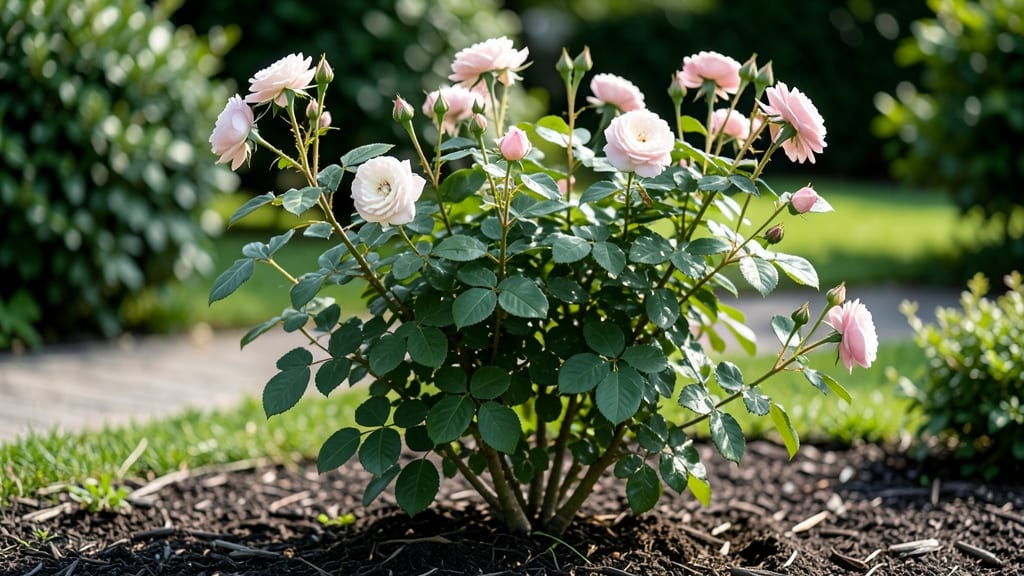
The how to grow Peggy Martin rose climbs like a dream—long, arching canes covered in blush-pink blooms that smell like a French garden in June. 🌸 I’ve grown it for three seasons now, and it’s the only rose that thrives with almost no fuss, even when I forget to prune it.
The secret? It’s not just the planting—it’s the how: soil that drains like a dream, watering that mimics spring showers, and pruning that takes less than 10 minutes a year.
This rose loves sun but won’t melt in summer heat, and it’s tough enough to handle zones 5-9 without drama. The blooms keep coming all season long—unlike finicky hybrids that stage a one-week show—because it’s a remontant variety.
And here’s the kicker: it resists black spot and powdery mildew better than 90% of roses I’ve tried, so you’ll spend less time spraying and more time admiring those velvety petals.
By summer’s end, you’ll have a 6-foot-tall living trellis dripping with fragrance, and the best part? It stays lush with minimal pruning—just a few cuts in late winter to shape it. No deadheading required, no weekly inspections for pests. Just beauty that grows itself, once you get the basics right.
Whether you’re training it up a fence, draping it over an arbor, or letting it sprawl across a pergola, this rose delivers old-world charm with modern resilience. Let’s get yours planted so you can enjoy the show next year.
📚 In This Guide
- What you need
- Instructions
- Tips and common mistakes
- Wrapping up and next steps
What you need
- ● Peggy Martin rose plant: 1 bare-root or potted rose (choose a healthy, disease-free specimen from a reputable nursery).
- ● Planting site: Full sun (6+ hours of direct sunlight daily).
- ● Well-draining soil (amend with compost if needed).
- ● Space for climbing: At least 6–8 feet of vertical support (trellis, arbor, or fence).
- ● Fertilizer: Balanced rose fertilizer (e.g., 10-10-10 NPK or organic options like fish emulsion).
- ● Slow-release granules (1–2 cups per plant at planting time).
- ● Mulch: 2–3 inches of organic mulch (e.g., shredded bark or straw) to retain moisture and suppress weeds.
- ● Pruning tools: Bypass pruners (sharp and clean).
- ● Loppers (for thicker stems).
- ● Support system: Sturdy trellis, arbor, or fence (galvanized or coated metal/resistant wood lasts longest).
- ● Watering can or hose with a gentle spray nozzle.
- ● Rose food: Liquid feed (e.g., Miracle-Gro for Roses) for quick nutrient boosts during blooming seasons.
- ● Epsom salt: 1 tablespoon dissolved in water monthly to prevent magnesium deficiency (yellow leaves).
- ● Fungicide: Copper-based or neem oil spray to preempt powdery mildew or black spot.
- ● Garden gloves and knee pads for comfortable planting and maintenance.
- ● Tie-down clips or soft plant ties to gently secure canes to the trellis as they grow.
- ● Soil test kit: To check pH (ideal range: 6.0–6.5 for roses).
Step-by-Step instructions for growing the Peggy Martin rose
This stunning climber thrives with simple care—just give it space, sunlight, and occasional attention.
🪴 Step 1: Choose the Perfect Planting Location
Find a spot with full sun (6+ hours daily) and room to grow—this rose can reach 10-15 feet if given a sturdy trellis or fence. I always check for afternoon shade first; Peggy Martin roses bloom best when they get morning sun and gentle afternoon light. Avoid low-lying areas where cold air settles—this variety is hardy but prefers slightly elevated ground.
Test the soil by digging a 6-inch hole. If it feels compacted or clay-heavy, mix in 2-3 inches of compost to improve drainage. The roots will thank you later with stronger growth and more abundant blooms. I like to mark the planting spot with a stake so I don’t accidentally disturb the area before planting.
🌱 Step 2: Plant at the Right Depth and Support
Dig a hole twice as wide as the root ball but only as deep as the container—never deeper. Peggy Martin roses hate having their graft union buried. Gently remove the plant from its container and loosen any circling roots with your fingers. Place it in the hole so the graft union (the swollen bump near the base) sits 2-3 inches above soil level.
Backfill with native soil mixed with 1 part compost, tamping lightly as you go. Water deeply to settle the soil, then attach a 5-foot trellis or support structure immediately. This variety climbs aggressively, and giving it support from day one prevents flopping stems. I like to tie the main stems loosely with soft plant ties—tight enough to hold but not restrict growth.
☀️ Step 3: Water and Feed for Strong Establishment
Water deeply 2-3 times weekly for the first 4-6 weeks until the soil feels 2 inches dry below the surface. Peggy Martin roses develop deep roots, so consistent moisture encourages strong growth. I use a soaker hose to water at the base—avoid wetting the leaves to prevent fungal issues.
After 6 weeks, switch to a balanced rose fertilizer (10-10-10) every 4-6 weeks during the growing season. This variety is forgiving but responds beautifully to regular feeding. I always water before fertilizing to prevent root burn. By late summer, reduce fertilizing to allow the plant to harden off for winter.
✂️ Step 4: Prune for Health and Blooms (Minimal Effort)
Peggy Martin roses thrive with minimal pruning. In early spring, remove only dead, diseased, or crossing branches—no need for drastic cuts. This variety blooms on old wood, so avoid heavy pruning that removes last year’s growth. I like to shape the plant lightly in late winter, cutting just above an outward-facing bud to encourage an open, airy structure.
After blooming, trim spent flowers back to the nearest 5-leaflet leaf to encourage continuous blooms. Deadhead regularly, but don’t over-prune—this rose rewards patience with long-stemmed, fragrant blooms. I skip heavy summer pruning entirely; Peggy Martin roses handle neglect better than most climbers.
⏰ Step 5: Protect and Maintain Through Seasons
Mulch with 2-3 inches of organic mulch (like shredded bark) in early spring to retain moisture and regulate soil temperature. In fall, add a 4-inch layer of mulch to insulate roots—this variety is hardy but benefits from winter protection in colder zones. I always remove old mulch in spring to prevent disease buildup.
Watch for aphids or black spot—common rose pests. Treat early with neem oil or insecticidal soap if needed. Peggy Martin roses are disease-resistant, but all roses need good airflow. Space plants 3-4 feet apart to prevent humidity buildup. With minimal care, this climber will reward you with 5-inch blooms from early summer through fall.
Tips & tricks for growing the Peggy Martin rose
These simple secrets will help you coax the most stunning blooms from this elegant climber with almost no effort.
Soil Prep Matters: Before planting, I always mix in an extra 1 part compost to the native soil—this variety thrives when roots can breathe. If your soil feels like concrete after digging that 6-inch hole, add a handful of perlite or coarse sand to improve drainage. The roots will reward you with stronger growth and more abundant blooms, especially in clay-heavy areas.
Support System: Peggy Martin roses climb like they’re racing to the sky, so that 5-foot trellis you install in Step 2? Make it sturdy! I’ve seen flimsy supports snap under the weight of this vigorous grower. Use metal or thick wooden posts, and tie stems loosely with soft plant ties—tight enough to hold but not tight enough to strangle new growth. This prevents the stems from flopping and keeps everything neat.
Watering Wisdom: Those 2-3 times weekly waterings in the first 4-6 weeks are non-negotiable. But here’s the thing: I check soil moisture by sticking my finger 2 inches deep—if it’s dry, water; if it’s damp, wait. Overwatering is just as bad as underwatering for this variety. Once established, you can reduce to once weekly during dry spells, but always water deeply to encourage those deep roots.
Pruning Shortcuts: When it comes to pruning, less is more with Peggy Martin roses. In late winter, I only remove branches that are dead, diseased, or crossing. The key is to cut just above an outward-facing bud—this encourages the plant to grow outward rather than inward. And when deadheading, trim back to the nearest 5-leaflet leaf to keep the plant blooming all season without overstressing it.
Pro Tips for Grow Peggy Martin Rose
- These simple secrets will help you coax the most stunning blooms from this elegant climber with almost no effort.
- Soil Prep Matters: Before planting, I always mix in an extra 1 part compost to the native soil—this variety thrives when roots can breathe.
- Support System: Peggy Martin roses climb like they’re racing to the sky, so that 5-foot trellis you install in Step 2?
Frequently asked questions
Got questions about growing Peggy Martin roses? You’re not alone—this stunning climber has a few quirks! Here are answers to the most common queries to help you cultivate a thriving vine with confidence.
When is the best time to plant a Peggy Martin rose?
The ideal window is early spring (after the last frost) or fall (4–6 weeks before the first frost). Planting in spring gives roots time to establish before summer heat, while fall allows for root growth before winter dormancy. Avoid planting in extreme heat or freezing temperatures!
How much sun does a Peggy Martin rose need daily?
This rose thrives in full sun (6–8 hours daily), but it tolerates partial shade (4–6 hours) in hotter climates. Too little sun? Expect fewer blooms and leggy growth. For best results, choose a south- or west-facing spot with afternoon shade in scorching regions.
Do Peggy Martin roses need heavy pruning?
Not at all! This rose is low-maintenance—prune only to shape the vine, remove dead wood, or thin out crowded canes in late winter or early spring. Avoid aggressive cuts; focus on encouraging an open, airy structure for better airflow and blooms.
Why aren’t my Peggy Martin roses blooming?
Common culprits include over-fertilizing (too much nitrogen), poor sunlight, or pruning at the wrong time (e.g., cutting back in fall). Ensure balanced fertilizer (high phosphorus for blooms), full sun, and minimal winter pruning. Patience helps—some roses take 1–2 years to fully mature!
Are Peggy Martin roses resistant to pests or diseases?
They’re moderately disease-resistant but can still fall prey to black spot, powdery mildew, or aphids in humid climates. Improve airflow, water at the base (not leaves), and apply neem oil or fungicide preventatively. Resistant varieties like Peggy Martin still benefit from proactive care!
Can I grow Peggy Martin roses in containers?
Yes! Use a large container (15+ gallons) with drainage holes and well-draining soil. Choose a trellis or obelisk for support, and repot every 2–3 years. Container roses dry out faster—water deeply when the top inch of soil feels dry. Just ensure it gets plenty of sun!
Wrapping up and next steps
Growing a Peggy Martin rose is a rewarding journey that blends beauty with low-maintenance charm—perfect for gardeners of all levels! 🌸 With the right location, well-draining soil, and a little patience, you’ll soon enjoy fragrant blooms that climb effortlessly. Remember: consistency in watering and minimal pruning are your best friends.
Now that you’re armed with these tips, why not expand your garden’s elegance? Try pairing your Peggy Martin rose with complementary climbers or add a cozy seating area nearby to savor its scent. Happy gardening! 🌿