
Propagation
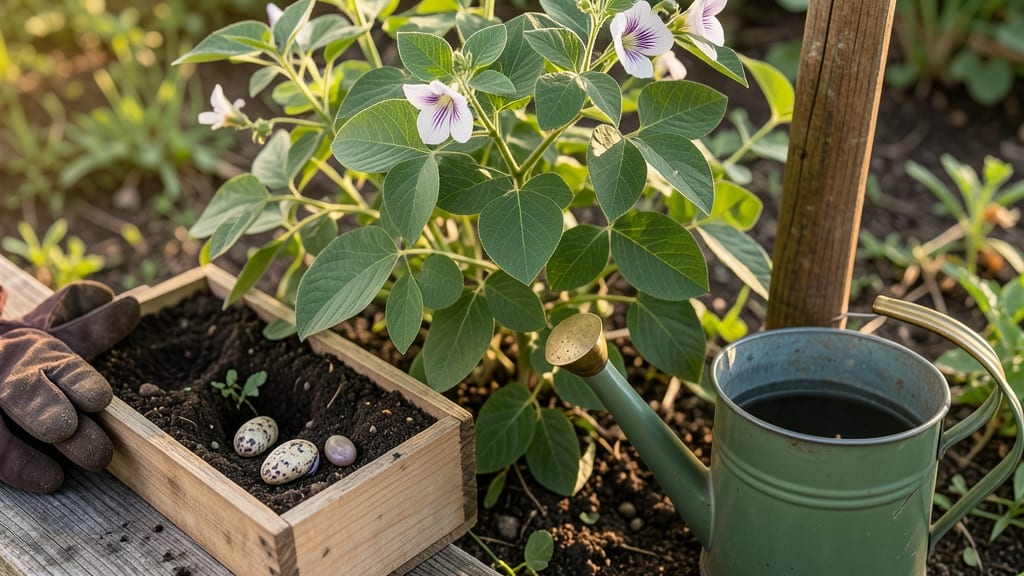
How to grow pinto beans from seeds is one of those fast, satisfying gardening wins that delivers dinner-worthy harvests in just 60 days. 🌱 I learned the hard way that these beans hate soggy soil—overwatering will drown them before they even sprout—but get the timing right, and you’ll have bushy plants producing pods by midsummer. The secret? Warm soil, shallow planting, and patience during that critical first week when nothing seems to happen.
Start with a sunny spot (at least 6-8 hours of direct sunlight daily) and soil that drains well—pinto beans despise standing water. Plant seeds 1-2 inches deep, about 3-4 inches apart, and thin to 4-6 inches once they’re 2-3 inches tall.
A light mulch (like straw) keeps moisture steady without smothering young shoots, and a trellis or cage saves space if your garden is small. Most beginners overlook the trellis, but it’s a game-changer for vertical growth and airflow.
By day 10-14, you’ll spot those first peeking cotyledons—tiny leaves that mean germination worked. Keep the soil evenly moist (not wet) and watch for yellowing leaves, which usually signals overwatering or poor drainage.
A companion plant like corn or cucumbers nearby can improve yields by attracting pollinators, but avoid planting near onions or garlic, which stunt their growth. With the right care, you’ll harvest 1-2 pounds of beans per plant by late summer.
Here’s the kicker: pinto beans fix nitrogen in the soil, so they’re free fertilizer for next year’s garden. Save some seeds from your best-producing plants for next season, and you’ll have a self-sustaining cycle.
The only real mistake? Giving up too soon—those beans will emerge, even if it feels like they’re taking forever. Stick with it, and you’ll have a bountiful, low-maintenance harvest before you know it.
📚 In This Guide
- What you need
- Instructions
- Tips and common mistakes
- Wrapping up and next steps
What you need
- ● Pinto bean seeds: 1–2 lbs (or ~200–400 seeds, depending on spacing needs). Choose certified organic or heirloom seeds for best results.
- ● Growing containers: For direct sowing: A garden bed with well-draining soil (6–8 inches deep, 4–6 inches apart in rows 18–24 inches apart).
- ● For container growing: 5–10 gallon pots (at least 12 inches deep) with drainage holes.
- ● Potting mix or garden soil: Lightweight, nutrient-rich mix (e.g., 50% compost + 50% garden soil for containers).
- ● Watering can or hose: With a gentle spray nozzle for even moisture.
- ○ Fertilizer (optional but recommended): Balanced 10-10-10 or 5-10-10 fertilizer (follow package rates).
- ● OR compost or worm castings (for organic gardening).
- ○ Trellis or stakes (optional but helpful): 5–6 ft tall bamboo stakes or a simple trellis to support climbing plants (pinto beans can grow 3–5 ft tall!).
- ● Hand trowel or transplanting tool: For digging small holes or mixing soil.
- ○ Gloves (optional): To protect hands while handling soil or seeds.
- ● Sunlight access: Full sun (6–8 hours daily) for optimal growth.
- ○ pH test kit (optional): Ideal soil pH: 6.0–7.0 (slightly acidic to neutral).
- ○ Mulch (optional): Straw or shredded leaves to retain moisture and suppress weeds.
Step-by-Step instructions for growing pinto beans from seeds
Pinto beans thrive with minimal fuss—just follow these steps for a bountiful harvest in under two months.
🌱 Step 1: Soak Seeds Overnight for Faster Germination
Pinto beans germinate quickly when prepped right. Place 4 seeds in a bowl and cover with warm water for 8-12 hours. The reason? The outer coating slows germination, and soaking softens it considerably. You'll notice the seeds plump up and double in size—this ensures strong, fast sprouts.
After soaking, drain the water and let the seeds sit in a damp paper towel for 1 hour before planting. This keeps them moist without overwatering. I always label my seeds with the date—pinto beans sprout in 5-7 days when conditions are ideal, so tracking helps avoid confusion.
🪴 Step 2: Plant Seeds Directly in Warm, Well-Drained Soil
Pinto beans hate transplanting, so plant them 1 inch deep and 3-4 inches apart in full sun (at least 6-8 hours daily). Work the soil to a depth of 12 inches—beans need deep roots to support their vines. Mix in 2-3 inches of compost to boost nitrogen levels, which beans love.
Wait until the soil warms to 60°F or higher—cold soil delays germination. Press seeds gently into the soil and cover lightly. Water the area until the soil is moist but not soggy. A light misting prevents seeds from washing away while keeping them hydrated.
☀️ Step 3: Provide Consistent Moisture and Support
Keep the soil evenly moist until germination—1 inch of water per week is ideal. Pinto beans wilt easily when thirsty, so check daily during dry spells. Once sprouts appear, reduce watering slightly to prevent fungal issues. You'll see the first true leaves emerge in 7-10 days.
Install 5-6 foot tall trellises or stakes as vines grow—pinto beans climb naturally. Train vines gently to avoid breaking stems. Mulch around plants with 2-3 inches of straw to retain moisture and suppress weeds. This step is critical: consistent moisture and support ensure strong, productive plants.
✂️ Step 4: Harvest at Peak Maturity for Best Flavor
Pinto beans mature in 60-70 days, but harvest when pods are firm but slightly soft to the touch. Wait until the pods bulge but haven’t turned hard or dried. Check plants every 2-3 days during the final weeks—beans ripen quickly once they start filling out.
Pick pods in the morning when moisture levels are lowest. Twist gently to avoid damaging the vine. Leave a few pods on the plant to ensure continued flowering. Store harvested beans in a cool, dry place for up to 2 weeks, or shell and dry them for long-term storage. The faster you harvest, the sweeter the beans taste.
Tips & tricks for fast-germinating pinto beans
Here's what nobody tells you about speeding up your pinto bean harvest—these tricks cut down the wait time while ensuring a thriving garden.
Soaking Strategy: For the fastest germination, use warm water (not hot) during the 8-12 hour soak—pinto beans respond best to temperatures between 70-80°F. I've found that adding a pinch of compost tea to the soaking water boosts microbial activity, which can shave off an extra day from your 5-7 day germination window. Just avoid using tap water with chlorine, as it can inhibit sprouting.
Planting Precision: When planting your 4 seeds 1 inch deep in Step 2, create small holes with a dibble or your finger rather than dropping seeds randomly. This ensures consistent depth—critical since pinto beans planted too shallowly may not establish strong roots. I also recommend planting in the late afternoon so seeds have time to absorb moisture before evening temperatures drop.
Sunlight Optimization: While the instructions mention 6-8 hours of full sun, I've discovered that pinto beans actually perform best with morning sun exposure (6-8 hours) rather than afternoon heat. In hot climates, afternoon sun can stress young plants. If you're in a region with intense afternoon sun, consider providing partial afternoon shade until plants are established.
Harvest Timing: The 60-70 day maturity window can feel like forever, but here's how to make it feel faster: Start checking for harvest readiness at day 58—you'll often find pods ready to pick earlier than the full 70 days, especially in warm climates. Look for pods that are slightly curved and have a matte finish rather than shiny—this indicates peak sweetness before they toughen up.
Pro Tips for Grow Pinto Beans From Seeds
- Here's what nobody tells you about speeding up your pinto bean harvest—these tricks cut down the wait time while ensuring a thriving garden.
- Soaking Strategy: For the fastest germination, use warm water (not hot) during the 8-12 hour soak—pinto beans respond best to temperatures between 70-80°F.
- Planting Precision: When planting your 4 seeds 1 inch deep in Step 2, create small holes with a dibble or your finger rather than dropping seeds randomly.
Frequently asked questions
Got questions about growing pinto beans from seeds? You’re not alone! Here are answers to the most common queries to help you succeed with this fast-growing, nutrient-packed crop.
How long does it take for pinto bean seeds to germinate?
Pinto bean seeds typically germinate within 7–14 days after planting, depending on soil temperature (ideal: 60–85°F). Keep the soil moist but not soggy, and germination should happen quickly—especially in warm conditions. If nothing sprouts after 2 weeks, check moisture levels or seed viability.
Can I grow pinto beans in containers or just in the ground?
Pinto beans thrive in containers at least 12–18 inches deep with good drainage. Use a lightweight potting mix, and plant 2–3 seeds per pot. Just ensure containers get 6+ hours of sunlight daily and support vining varieties with a trellis or cage.
Why are my pinto bean plants wilting or turning yellow?
Wilting or yellowing leaves often signal overwatering, underwatering, or nutrient deficiencies. Check soil moisture—beans need 1–1.5 inches of water weekly (more in heat). Yellow leaves may also mean nitrogen deficiency; try a balanced fertilizer or compost. Pests like aphids can also stress plants—inspect undersides of leaves!
Do pinto beans need to be trellised, or can they grow bush-style?
Pinto beans come in two types:
- Bush beans: Compact, no trellis needed (great for containers).
- Pole beans: Vigorous vines (6–10 feet tall); trellising saves space and improves airflow, reducing disease risk.
When is the best time to harvest pinto beans for drying?
For fresh eating, pick when pods are firm but plump (about 60–70 days). To dry beans for storage, wait until pods turn brown and papery (typically 80–90 days). Harvest on dry days, then dry pods in a well-ventilated, shaded area for 2–3 weeks before shelling.
Wrapping up and next steps
Growing pinto beans from seeds is a rewarding journey that yields delicious, nutrient-packed harvests in just 60 days!
With the right soil, sunlight, and care, you’ll enjoy fresh, homegrown beans perfect for soups, salads, or snacks. Start small—whether in containers or your garden—and watch your plants thrive! Now that you’re ready to plant, why not expand your garden?
Try growing other fast varieties like pole beans or bush beans next, or even experiment with companion planting to boost your harvest. Happy gardening! 🌱✨