
How To
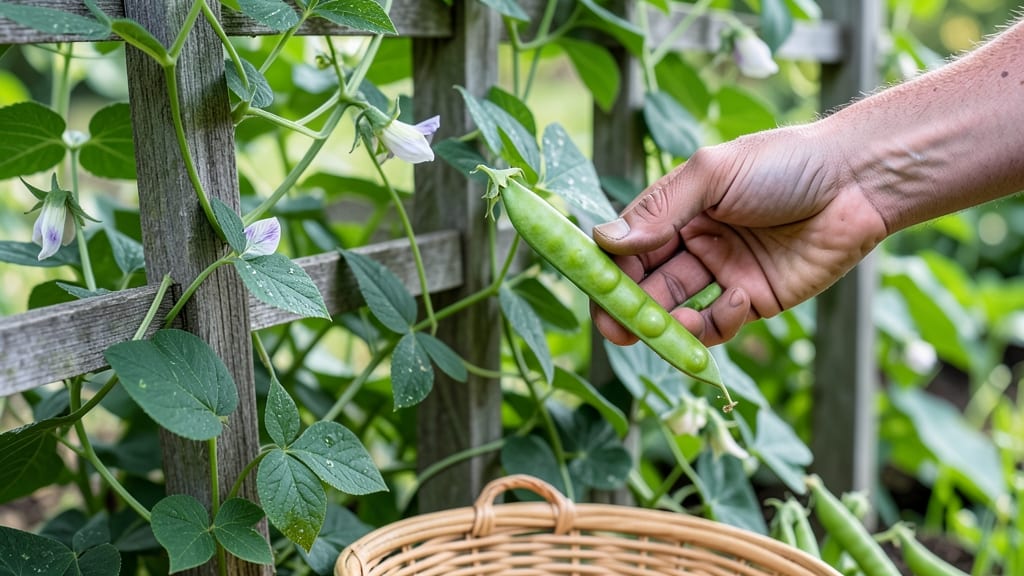
How to know when peas are ready to pick can make the difference between a sweet, crisp harvest and a mealy disappointment. That perfect moment arrives when pods reach the right size, color, and texture—but spotting it takes practice.
Most gardeners wait too long, ending up with tough peas that lose their flavor. The key is learning to recognize those subtle visual and tactile cues before they disappear. With just three simple shell tests, you'll never second-guess ripeness again.
Start by checking pod size—aim for 1.5 to 2 inches—then confirm with a firmness test. A quick shake can reveal if the peas inside are plump and ready. These tricks work for all varieties, from sugar snaps to shelling peas.
Picking at the right time doesn’t just improve taste—it also encourages your plants to produce more. Once you master these signs, you’ll enjoy a steady supply of fresh, garden-fresh peas all season long.
3 Visual shell tests to identify perfectly ripe peas
Peas are one of those vegetables where timing is everything—pick them too early, and you’re left with tiny, underdeveloped pods. Wait too long, and they turn tough and fibrous. The good news? With just three simple shell tests, you can tell exactly when your peas are at their peak.
These tricks work for shelling peas, sugar snaps, and snow peas, so you’ll never miss the sweet spot again.
First, let’s talk about the most obvious clue: pod size. When peas are ready to pick, their pods should be about 1.5 to 2 inches long. If they’re smaller than your thumb, they’re not there yet.
But size alone isn’t enough—you’ll also want to check for bright green color and a slight bulge where the peas are forming inside. This combo means they’re ready to go from vine to pot.
Here’s where things get fun: the snap test. Gently pinch a pea pod between your thumb and forefinger. If it snaps cleanly with a little resistance, that’s your cue to harvest.
If it bends without breaking or feels mushy, it’s past its prime. This test is especially useful for sugar snaps, which should snap like a fresh carrot when ripe.
Next up, the bulge check. Run your fingers along the pod to feel for the peas inside. They should be plump but not overly large. If the seeds are pressing hard against the shell, the pod has overstayed its welcome.
Think of it like a goldilocks zone—not too small, not too big, just right.
Finally, shake the pod near your ear. A ripe pea pod will make a soft rattling sound as the peas shift inside. If it’s silent or sounds hollow, it’s either too young or too old.
This trick is a game-changer for shelling peas, where you want the peas to be fully formed but still tender.
- 📏 Size Check: Pods should be 1.5–2 inches long and bright green.
- ✂️ Snap Test: Pinch the pod—it should snap cleanly with slight resistance.
- 🤏 Bulge Check: Feel for plump but not oversized peas inside.
- 🔊 Rattle Test: Shake the pod—ripe peas make a soft rattling sound.
Don’t forget that regular picking encourages more production. Peas are prolific, but if you let them linger on the vine, the plant will focus on seed production instead of new pods. Aim to harvest every 2–3 days during peak season to keep your plants happy and productive.
And if you’re growing multiple pea varieties, like sugar snaps and shelling peas, pay attention to their unique ripening cues—more on that in the next section!
One last tip: Use a pair of clean, sharp scissors or pruners to snip the pods just above the leaf node. This keeps the plant healthy and makes future harvesting easier. Avoid tugging, as it can damage the vines and reduce future yields.
Now that you’ve mastered these three shell tests, you’re ready to enjoy peas at their absolute best—sweet, tender, and bursting with flavor. Happy harvesting! 🌱
3 Visual shell tests to identify perfectly ripe peas
Peas are at their sweetest when harvested at the right moment—but timing is everything. Overripe peas turn mealy, while underripe ones stay tough. The key lies in three simple shell tests that reveal ripeness without guessing.
Start by examining the pod size, then check the color and texture, and finally, listen for the telltale snap when you bend the stem.
First, look for pods between 1.5 to 2 inches long. This is the ideal size for most pea varieties, though sugar snaps should be slightly shorter. Run your thumb along the seam of the pod—if it feels firm and slightly swollen, that’s a green light.
Avoid pods that feel soft or hollow, as they’re past their prime.
Next, give the pod a gentle squeeze. A ripe pea pod should feel tight and crisp, almost like a fresh green bean. If it yields slightly under pressure, it’s still firm enough to eat raw or cook perfectly.
Pro tip: Shake a pod near your ear—ripe peas make a soft rattling sound from the seeds inside, while empty pods sound hollow.
Don’t forget the seed check! Hold the pod up to the light—you should see small, round seeds inside, but they shouldn’t fill the pod completely. Overly large seeds mean the pea’s lost its tenderness.
For shelling peas, aim for seeds that are half the pod’s width; for sugar snaps, keep them slightly smaller.
Timing your harvests matters too. Pick peas in the morning when temperatures are cooler—they’ll stay fresher longer. And here’s a pro move: Harvest every 2–3 days to encourage more production. Peas left on the vine too long will stop setting new pods, and the flavor drops faster than you’d think.
Once you master these tests, you’ll never miss a harvest again. The secret? Check your plants daily during peak season, and always pick before the pods start to yellow. Your taste buds—and your garden—will thank you.