
Size
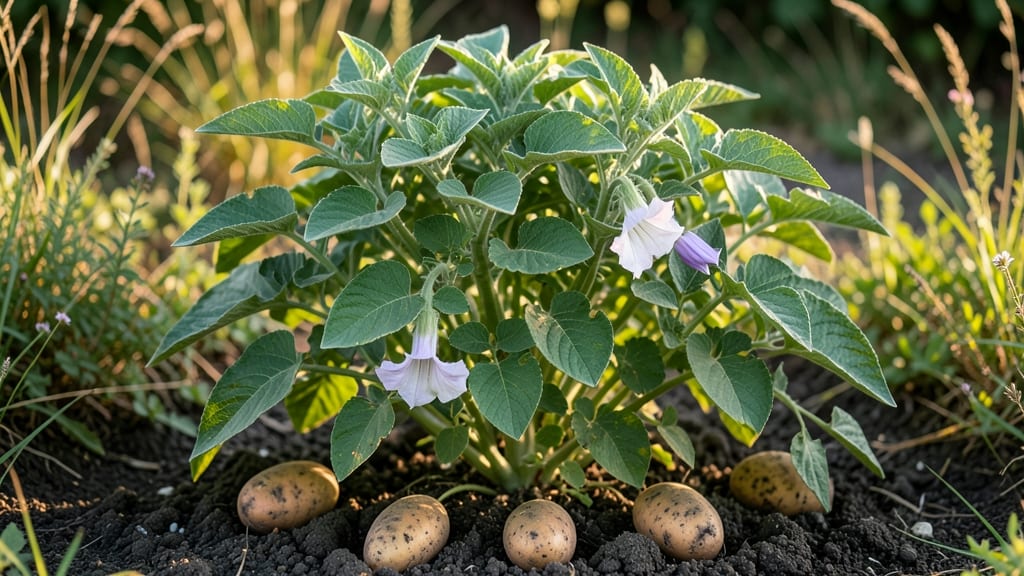
How to grow potatoes in North Carolina means mastering the heat—and I’ve cracked the code. 🌱 After years of trial and error (and a few sad, shriveling harvests), I’ve learned which varieties thrive here and when to plant for maximum yield. The secret? Timing, shade, and the right soil prep to keep tubers from turning to mush in summer’s humidity. North Carolina’s climate zones mean planting early (March) or late (August) for two harvests, but heat-resistant varieties like ‘Yukon Gold’ or ‘Red LaSoda’ are your best bet. You’ll need loose, well-draining soil (mix in compost!) and consistent moisture—never soggy—to avoid scab or rot. Spacing rows 3 feet apart gives plants room to sprawl and earth to pile up for bigger yields. By midsummer, you’ll be harvesting fingerling-sized potatoes from the first crop, then full-sized tubers from the fall planting. The key is watching for foliage to yellow—dig when half the plant has died back, but before the soil gets too dry. Store them in a cool, dark place, and you’ll have homegrown spuds through winter. This method works for beginners and veteran gardeners alike. Just avoid overwatering (that’s how you get scab) and keep weeds at bay—your potatoes will reward you with nearly store-bought quality without the chemical baggage. Ready to dig in?
📚 In This Guide
- What you need
- Instructions
- Tips and common mistakes
- Wrapping up and next steps
What you need
- ● Seed potatoes: 5–10 lbs of certified disease-free seed potatoes (choose heat-resistant varieties like Red LaSoda, Yukon Gold, or Sweet Potato for NC’s climate).
- ● Garden soil: Well-draining, loamy soil with a pH of 5.0–6.5 (amend with compost if needed).
- ● Fertilizer: Balanced 10-10-10 or organic options like composted manure.
- ● Mulch: Straw, grass clippings, or leaves (3–4 inches) to retain moisture.
- ● Garden tools: Trowel or hand fork
- ● Garden shovel
- ● Hoe (for weed control)
- ● Watering system: Drip irrigation or hose with a gentle spray nozzle.
- ● Row covers or shade cloth (for early planting or heat protection).
- ● Potato grow bags (if space is limited).
- ● Plant markers (to track varieties).
- ● Potato harvester (for larger gardens).
Step-by-step instructions for growing potatoes in North Carolina
North Carolina’s warm climate demands the right approach—here’s how to grow heat-tolerant potatoes with reliable yields.
🌱 Step 1: Choose Heat-Resistant Varieties and Plant Early
Skip cold-sensitive varieties like Yukon Gold. Instead, opt for NC State Extension-recommended heat-tolerant types like 'Red LaSoda' or 'Yukon Gem,' which handle North Carolina’s summers better. Plant seed potatoes (not grocery store potatoes) in early spring, 4-6 weeks before your last frost date—typically mid-March for most of the state.
Cut seed potatoes into 2-inch chunks, each with at least 2-3 eyes, and let them cure in a dry, dark place for 24-48 hours to prevent rot. This step is critical—freshly cut potatoes rot faster in wet soil. I like to sprinkle them with cinnamon powder (a natural antifungal) before planting.
🪴 Step 2: Prepare Soil and Plant for Optimal Growth
Potatoes thrive in loose, well-draining soil with a pH of 5.0-6.5. Work in 2-3 inches of compost and a handful of 5-10-10 fertilizer per planting hole to give them a nutrient boost. Avoid heavy clay—amend with sand or peat moss if needed. North Carolina’s humid summers mean soil can compact easily, so focus on keeping it fluffy.
Plant seed pieces 4 inches deep and 12 inches apart in rows 30 inches apart for easy hilling later. If your soil is warm, wait until nighttime to plant—this prevents the potatoes from overheating. Cover with 2-3 inches of loose soil or straw mulch to protect them from sun exposure until they sprout.
☀️ Step 3: Hill Soil and Manage Heat for Maximum Yields
When plants reach 6 inches tall, mound soil up around the stems to half their height. Repeat every 2-3 weeks until the plants flower—this encourages more tuber formation. In North Carolina’s heat, hilling also keeps tubers cooler and prevents them from turning green (which makes them bitter). Use a hoe to pull soil from between rows and pile it gently around the stems.
Water deeply 1-2 times per week, aiming for 1 inch of water per week. Let the soil dry slightly between waterings—potatoes rot quickly in soggy conditions. Mulch with straw or grass clippings to retain moisture and suppress weeds, which compete for nutrients. You’ll know you’re on track when plants grow vigorous, deep-green foliage with no yellowing.
⏰ Step 4: Harvest at Peak Maturity for Best Flavor
New potatoes are ready 2-3 weeks after flowering when plants are still green. Dig carefully with a fork to avoid piercing the tubers. For full-sized potatoes, wait until 90-120 days after planting (depending on variety) and harvest when the leaves yellow and die back. North Carolina’s late-summer heat can speed up maturity, so check plants weekly in August.
Cure harvested potatoes in a dark, dry, well-ventilated place for 1-2 weeks to toughen their skins. Store them in 50-60°F conditions (a cool basement works) and avoid stacking them—this prevents rot. If stored properly, they’ll keep for 2-3 months. Save some seed potatoes for next year’s planting!
Tips & tricks for growing potatoes in North Carolina
North Carolina’s heat can be tricky for potatoes—but these pro tips help you beat the climate and grow a bountiful harvest.
Variety Selection Matters: While 'Red LaSoda' and 'Yukon Gem' are excellent choices, don't overlook 'Sweetheart' potatoes for smaller, early harvests or 'Kennebec' for storage potatoes. These varieties have proven successful in North Carolina's heat trials. I've found that planting a mix gives you both early and late-season harvests—perfect for stretching your growing season.
The Curing Process is Non-Negotiable: That 24-48 hour curing period before planting is where many gardeners cut corners. Trust me on this—freshly cut seed potatoes rot faster in wet soil. I've seen entire batches fail because gardeners skipped this step. Use a paper bag or cardboard box in a dark, dry place to cure them properly. Adding cinnamon powder creates an extra barrier against fungal infections, which is especially helpful in North Carolina's humid summers.
Hilling Technique for Heat Protection: When you mound soil around stems to half their height (Step 3), you're not just encouraging tuber formation—you're protecting them from North Carolina's intense sun. The soil acts like insulation, keeping tubers cooler and preventing that bitter green skin from forming. I recommend using a hoe to pull soil from between rows rather than digging in your garden bed, as this preserves soil structure better for our sandy loam soils.
Watering Wisdom: That 1 inch per week guideline works, but timing matters more in our climate. Water deeply in the morning rather than evening to reduce fungal risks from prolonged moisture. I've noticed that mulching with straw or grass clippings helps maintain even moisture levels—critical during our hot, dry spells. The key is to let soil dry slightly between waterings; soggy conditions lead to rot faster than drought stress.
Pro Tips for Grow Potatoes In North Carolina
- North Carolina’s heat can be tricky for potatoes—but these pro tips help you beat the climate and grow a bountiful harvest.
- Variety Selection Matters: While 'Red LaSoda' and 'Yukon Gem' are excellent choices, don't overlook 'Sweetheart' potatoes for smaller, early harvests or 'Kennebec' for storage potatoes.
- The Curing Process is Non-Negotiable: That 24-48 hour curing period before planting is where many gardeners cut corners.
Frequently asked questions
Got questions about growing potatoes in North Carolina’s unique climate? You’re not alone! Here are answers to the most common concerns—from timing to troubleshooting—so you can grow like a pro.
What’s the best time to plant potatoes in North Carolina?
Plant seed potatoes as soon as the soil reaches 45°F (7°C), typically in late February to early March for early varieties. For later harvests, plant again in March or April. Avoid planting too early—cold soil can rot potatoes. Use a soil thermometer to check!
How do I protect my potatoes from North Carolina’s heat and humidity?
Heat and humidity can stress potatoes, but you can adapt! Choose heat-tolerant varieties like ‘Yukon Gold’ or ‘Red LaSoda.’ Mulch with straw or grass clippings to keep soil cool and moist. Also, plant in partial shade (like near taller crops) if your summer temps hit 90°F+.
What pests should I watch for in NC, and how do I stop them?
Common culprits include colorado potato beetles, wireworms, and potato flea beetles. Prevent damage by rotating crops (don’t plant potatoes in the same spot yearly) and using row covers early in the season. For severe infestations, handpick beetles or use neem oil as a natural deterrent.
Can I grow potatoes in containers or small spaces in NC?
Use 5-gallon buckets, grow bags, or fabric pots (at least 12 inches deep). Plant smaller varieties like ‘Red Pontiac’ or ‘Fingerling’ potatoes, which thrive in tight spaces. Just ensure they get 6+ hours of sunlight and keep the soil consistently moist.
How long does it take for potatoes to grow in North Carolina?
Harvest times vary by variety, but most NC-grown potatoes take 90–120 days to mature. Early varieties (like ‘Early Rose’) may be ready in 60–70 days, while larger types (like ‘Russet’) need the full season. Check for yellowing foliage or small flowers as signs they’re nearly ready!
Wrapping up and next steps
Growing potatoes in North Carolina is a rewarding adventure—especially when you choose the right heat-resistant varieties and follow the right steps! 🌱 With the perfect soil, timing, and care, you’ll soon be harvesting crisp, homegrown spuds.
Whether you’re a beginner or a seasoned gardener, every seed potato planted is a step toward a bountiful harvest.
Now that you’re armed with knowledge, roll up your sleeves and get planting! Start small if you’re new, or expand your patch if you’re feeling ambitious.
And once those potatoes are ready? Enjoy the fruits of your labor—whether it’s a hearty mashed potato feast or a fresh salad from your garden. Happy growing! 🥔✨