
Size
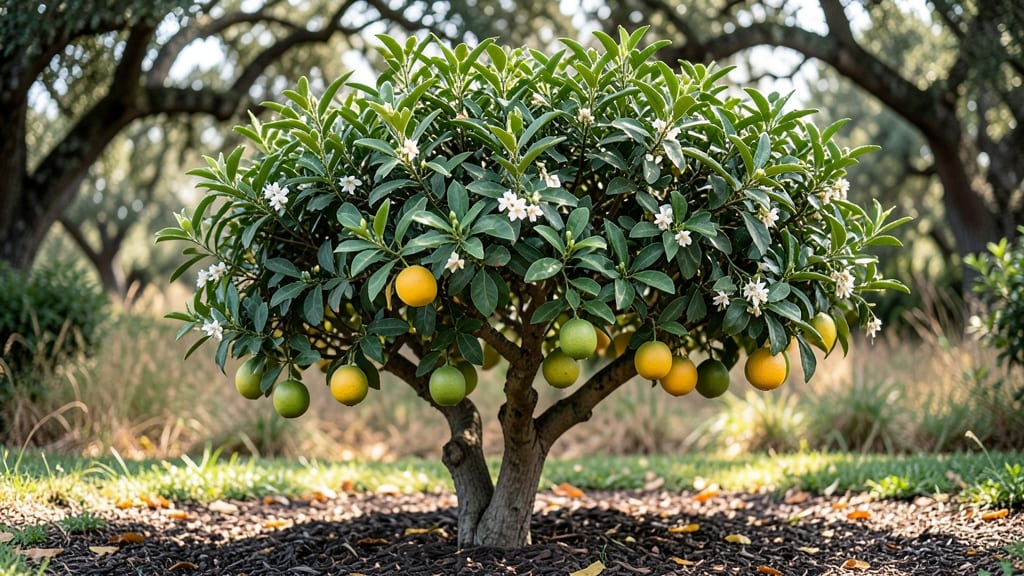
How to grow satsuma trees could be just 3-4 years away—if you follow these steps. 🌱 These cold-hardy citrus trees thrive where lemons and oranges fail, and with the right care, you'll be peeling fresh fruit in winter when grocery store citrus is bland and waxy. The secret lies in mimicking their native Japanese climate: bright light, slightly acidic soil, and protection from harsh winds. Unlike finicky citrus, satsumas handle temperatures down to 15°F, making them perfect for zones 7-9. Container growing extends their range even further—just swap pots before winter for extra cold protection. By summer, you'll see glossy new leaves and tiny white flowers that promise next year's crop. The fruit starts green, ripens to deep orange, and tastes sweeter than any store-bought mandarin. Prune lightly in late winter to encourage air flow and fruit production. Whether you plant in-ground or containers, the key is consistency—water when the top inch of soil dries, feed monthly in growing season, and watch those branches fill with sunshine-yellow blossoms by spring. Let's get those trees growing!
📚 In This Guide
- What you need
- Instructions
- Tips and common mistakes
- Wrapping up and next steps
What you need
- ● Satsuma tree: Choose a cold-hardy variety like Citrus unshiu (dwarf or standard). Buy a 1- to 3-gallon container-grown sapling from a nursery.
- ● Well-draining soil: Use a mix of 50% citrus-specific potting soil and 50% perlite or coarse sand (for containers). For ground planting, amend native soil with compost and sand (1:1 ratio).
- ○ Container (optional): If growing in pots, use a 15- to 25-gallon container with drainage holes (for dwarf trees) or a 50+ gallon container for standard varieties.
- ● Fertilizer: Start with a balanced citrus fertilizer (6-6-6 or 8-3-9) and switch to a high-potassium (0-0-50) formula during fruiting season.
- ● Mulch: Use 2-3 inches of organic mulch (e.g., pine bark or straw) to retain moisture and regulate soil temperature.
- ● Watering can or hose with a gentle spray nozzle: Satsumas need 1-2 inches of water weekly (adjust for containers).
- ● Gloves and pruning shears: For shaping and maintaining your tree (sterilize shears with rubbing alcohol).
- ● pH test kit: Ideal soil pH for satsumas is 6.0–7.0; adjust with lime or sulfur if needed.
- ● Citrus food (micronutrients): Helps prevent deficiencies like iron chlorosis (common in alkaline soils).
- ● Shade cloth (30-50% coverage): Protect young trees from harsh afternoon sun in hot climates.
- ● Frost cloth or row covers: Essential if your zone drops below 15°F (-9°C) (satsumas tolerate brief cold snaps!).
Step-by-step instructions for growing satsuma trees
Here's how to cultivate these cold-hardy citrus trees—whether in pots or planted in the ground.
🪴 Step 1: Choose the Right Location and Prepare the Soil
Satsumas thrive in full sun (at least 6-8 hours daily) and need well-draining soil. If planting in the ground, pick a spot with afternoon shade in hot climates—this prevents sunburn on the fruit. For containers, use a 15-20 gallon pot with drainage holes to prevent root rot.
Amend your soil with compost or aged manure to improve drainage and fertility. Satsumas hate soggy roots, so if your soil is heavy clay, mix in sand or perlite to loosen it. A soil pH between 6.0-7.0 is ideal—test with a kit if unsure. I always dig in a handful of citrus-specific fertilizer at planting time to give the tree a nutrient boost.
🌱 Step 2: Plant Your Satsuma Tree Properly
Dig a hole twice as wide as the root ball but no deeper—planting too deep suffocates the roots. Gently remove the tree from its container and loosen any circling roots with your fingers. This encourages outward growth instead of a tangled mess.
Place the tree in the hole so the graft union (the bump near the base) sits 1-2 inches above soil level. Backfill with native soil, pressing lightly to remove air pockets. Water deeply to settle the soil and remove any suckers (sprouts) growing below the graft—these sap energy from fruit production. Mulch with 2-3 inches of organic mulch, keeping it 6 inches away from the trunk to prevent rot.
☀️ Step 3: Water and Fertilize for Healthy Growth
Water your satsuma tree deeply once a week during the first year, letting the soil dry out between waterings. Overwatering is the fastest way to kill citrus trees—you’ll know it’s time when the top 2-3 inches of soil feel dry to touch. In containers, water more frequently since pots dry out faster.
Feed your tree with a balanced citrus fertilizer every 4-6 weeks during the growing season (spring through fall). I use a 6-6-6 or 8-3-9 formula to encourage fruiting. Stop fertilizing in late summer to allow the tree to harden off before winter. Yellow leaves usually mean overwatering or too much nitrogen—cut back on water and switch to a low-nitrogen fertilizer.
✂️ Step 4: Prune and Protect for Fruit Production
Prune your satsuma in late winter or early spring before new growth starts. Remove any dead, diseased, or crossing branches, and thin out crowded areas to improve airflow. I always cut just outside the branch collar (the swollen area where the branch meets the trunk) to prevent damage. Avoid heavy pruning—citrus trees fruit on older wood, so keep the shape natural.
If you live in a cold climate (below 10°F), protect your tree by wrapping the trunk with burlap or tree wrap and covering it with a frost cloth. Satsumas are cold-hardy but can suffer damage if temperatures drop too low. In containers, move the pot to a sheltered spot or bring it indoors near a sunny window during freezes.
🍊 Step 5: Harvest and Care for Next Year
Satsumas are ready to pick when they’re bright orange and slightly soft to the touch. They don’t ripen further once harvested, so don’t wait too long—overripe fruit becomes mealy. Use pruning shears to cut the fruit from the tree, leaving a small stem attached. Store them at room temperature for a few weeks or refrigerate for longer storage.
After harvest, clean up fallen leaves and fruit to reduce pests and disease. Rake away mulch from the base of the tree and refresh it with new organic material. If your tree didn’t produce much fruit, it may need more sunlight or a different fertilizer blend. I always take notes on what worked (or didn’t) to adjust the next year’s care.
Tips & tricks for perfect satsuma tree cultivation
Here's what I've learned after growing these resilient citrus trees for years—simple tricks that make all the difference between a struggling plant and a thriving fruit producer.
Sunlight Strategy: While satsumas need that full sun (6-8 hours daily), I've found the afternoon shade in hot climates is non-negotiable. If you're in a particularly scorching region, consider using shade cloth during peak afternoon hours—this prevents sunburn on both leaves and fruit. I've seen trees completely stressed by afternoon sun that thrive with just 2-3 hours of afternoon shade.
Root Health Secret: The most common mistake I see is overwatering, especially in containers. Instead of watering on a schedule, I check the top 2-3 inches of soil—if it's dry to the touch, that's your cue. For container growers, I recommend using a moisture meter to avoid the guesswork. Remember, soggy roots are the #1 killer of citrus trees, including satsumas.
Fertilizer Timing: That 4-6 week feeding schedule during growing season works wonders, but here's the key detail nobody mentions: stop fertilizing by late summer. I've seen trees burn their roots when given nitrogen too close to winter. The goal is to let your tree harden off naturally before cold weather arrives, and that means cutting back on nutrients about 6-8 weeks before your first frost.
Cold Protection Hacks: When temperatures drop below 10°F, I've found that wrapping the trunk with burlap and covering with frost cloth works, but there's one extra trick: place a heat lamp nearby on the coldest nights. This creates a microclimate around your tree that can make all the difference in preventing freeze damage. Just keep it at least 3 feet away from the branches to avoid scorching.
Pro Tips for Grow Satsuma Trees
- Here's what I've learned after growing these resilient citrus trees for years—simple tricks that make all the difference between a struggling plant and a thriving fruit producer.
- Sunlight Strategy: While satsumas need that full sun (6-8 hours daily), I've found the afternoon shade in hot climates is non-negotiable.
- Root Health Secret: The most common mistake I see is overwatering, especially in containers.
Frequently asked questions
Got questions about growing Satsuma trees? You’re not alone!
Here are answers to the most common concerns—from timing to troubleshooting—so you can grow these sweet, seedless citrus with confidence.
What’s the best climate for growing Satsuma trees?
Satsumas thrive in USDA Zones 7-10, but they’re cold-hardy down to 10°F (-12°C)! While they prefer warm climates, they tolerate brief freezes better than most citrus. In colder zones, grow them in containers and move them indoors or under cover during winter.
How long does it take for a Satsuma tree to bear fruit?
Patience is key! Dwarf varieties may produce fruit in 3-5 years, while standard trees can take 5-8 years. For faster results, choose a grafted tree (already bearing fruit) or opt for a dwarf variety. Pro tip: Prune young trees to encourage stronger growth and earlier fruiting!
Can I grow a Satsuma tree in a container, and what size pot do I need?
Satsumas adapt well to containers, especially dwarf varieties. Use a pot at least 15-20 gallons for mature trees, with drainage holes. Ensure the pot is wide enough for roots to spread—shallow but broad works best. Bonus: Move containers to a sunny spot in summer and protect them from frost in winter.
What pests or diseases should I watch for, and how do I prevent them?
Common issues include aphids, scale insects, and citrus canker. Prevent pests with neem oil or insecticidal soap, and keep trees healthy with proper watering and pruning. For diseases, remove infected leaves immediately and avoid overhead watering. Early action is key—don’t wait for problems to spread!
Are Satsumas self-pollinating, or do I need more than one tree?
Great news: Satsumas are self-pollinating, so one tree can produce fruit! However, planting two trees nearby can boost yields. Fun fact: They’re also self-cleaning—no need to worry about seeds in your fruit!
What can I do if my Satsuma tree isn’t fruiting?
Check these common culprits: lack of sunlight (6+ hours daily), overwatering (let soil dry slightly between waterings), or young age (they need time!). Try fertilizing with citrus-specific food in early spring and summer. Patience pays off!
Wrapping up and next steps
Growing Satsuma trees is a rewarding journey—whether you’re cultivating them in containers or planting them in the ground. With the right location, soil, and care, you’ll soon enjoy sweet, seedless citrus fruits that thrive in cooler climates. Start small, stay patient, and let your tree flourish over time!
🌱 Your Next Step: Plant & Watch Grow!
Ready to dive in? Pick your spot, gather your supplies, and plant that Satsuma sapling today! Keep an eye on your tree’s progress, and before you know it, you’ll be harvesting your own homegrown citrus. Happy gardening! 🍊✨