
Size
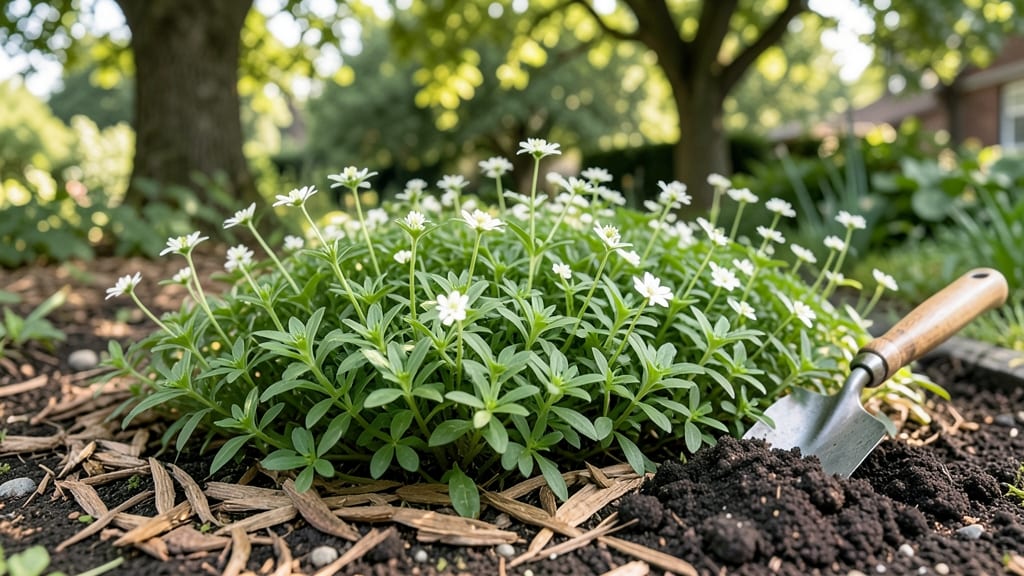
Growing sweet woodruff transforms shady corners into fragrant havens with its vanilla-scented leaves. 🌿 This shade-loving perennial spreads effortlessly, creating a lush carpet under trees or along fences—no fuss, just beauty. The secret lies in its adaptability: it thrives where most plants struggle, turning forgotten spots into aromatic gardens.
Start with divisions from existing plants (seeds are finicky), and plant in well-draining soil with partial to full shade. Water lightly after planting—too much can drown its delicate roots—but once established, it’s nearly drought-proof.
By late spring, you’ll see its tiny white flowers and that signature vanilla scent when crushed, a smell that lingers all summer.
Use it as a ground cover to smother weeds naturally, or tuck it into borders for a fragrant edge. It’s also a bee magnet, supporting pollinators while keeping your space fresh. The best part? It multiplies yearly, giving you more plants to share or expand your garden’s fragrance.
Watch for powdery mildew in humid climates—space plants well for airflow—and avoid over-fertilizing, as it prefers lean soil. With minimal care, sweet woodruff rewards you with years of effortless beauty and that intoxicating vanilla aroma every time you brush past it.
📚 In This Guide
- What you need
- Instructions
- Tips and common mistakes
- Wrapping up and next steps
What you need
- ● Sweet woodruff plants: 3–5 healthy nursery-grown plants (or 1–2 lbs of organic root cuttings if propagating).
- ● Well-draining soil: Mix equal parts peat moss, compost, and sandy loam (pH 6.0–7.0).
- ● Organic mulch: 2–3 inches of shredded bark or straw to retain moisture and suppress weeds.
- ● Watering can or hose: With a fine mist nozzle for gentle hydration.
- ● Pruners: Sharp, clean bypass pruners for trimming and harvesting.
- ○ Gloves (optional but recommended): To protect hands from soil and sap.
- ● Slow-release fertilizer: 10-10-10 or fish emulsion (apply lightly in spring).
- ● Shade cloth: 30–50% coverage if your garden gets partial sun.
- ● Drip irrigation system: For consistent moisture in hot climates.
- ● Compost tea: To boost soil health and fragrance.
Step-by-Step instructions for cultivating sweet woodruff
Here’s how I’ve successfully grown this fragrant groundcover in shady spots—no fancy equipment needed.
🌱 Step 1: Select the Perfect Shady Spot
Sweet woodruff thrives in partial to full shade, making it ideal for under trees or along north-facing walls. Choose a location with dappled sunlight—it tolerates 2-4 hours of morning sun but wilts in hot afternoon rays. The soil should stay moist but well-drained; this plant despises soggy roots.
I test the spot by pressing my finger into the soil—if it feels damp but not muddy, it’s perfect. Avoid low-lying areas where water pools after rain. A 4-inch layer of mulch (like shredded leaves or wood chips) helps retain moisture and mimics its natural woodland habitat.
🪴 Step 2: Prepare the Soil for Planting
Sweet woodruff prefers loamy, slightly acidic soil with a pH between 5.0 and 6.5. If your soil is heavy clay, amend it with 1 part compost to 2 parts native soil to improve drainage. I mix in a handful of well-rotted leaf mold—it mimics the forest floor where this plant naturally grows.
Work the amendments into the top 6 inches of soil, breaking up any clumps. The goal is a light, airy texture that holds moisture without compacting. A simple soil test kit (available at garden centers) confirms the pH before planting—sweet woodruff won’t thrive in alkaline soil.
🌿 Step 3: Plant Crowns or Divide Established Clumps
Sweet woodruff spreads via rhizomes, so I either plant bare-root crowns in early spring or divide mature clumps in fall or early spring. Dig holes 12-18 inches apart—closer spacing leads to competition, while wider gaps create a more open, fragrant carpet over time.
Place the crown 1 inch below soil level, ensuring the base sits just under the surface. Press soil gently around the roots to eliminate air pockets. Water deeply right after planting to encourage root contact with the amended soil. The first few weeks are critical—keep the soil consistently moist until new growth appears.
⏰ Step 4: Maintain Through the Growing Season
Once established, sweet woodruff is drought-tolerant, but it rewards regular watering in its first year. I water once a week during dry spells, aiming for 1 inch of moisture per week. The leaves release their signature vanilla scent when crushed—this is your cue that the plant is happy and thriving.
In late spring, I trim back any leggy growth to encourage bushier foliage. Avoid heavy pruning, as this plant spreads slowly. By mid-summer, you’ll see clusters of tiny white flowers—let a few bloom to support pollinators, but deadhead spent blooms to redirect energy into root growth for next year.
✂️ Step 5: Divide and Propagate Every 3-4 Years
Sweet woodruff forms dense mats over time, so I divide clumps in early spring before new growth emerges. Dig up the entire plant, gently separate the rhizomes with your hands, and replant the healthiest sections. Each division should have 3-4 stems—smaller pieces may struggle to establish.
Replant divisions in the same shady, moist conditions. The first year after dividing, water twice weekly to help roots re-establish. This is also the time to fill in gaps in your original planting—sweet woodruff spreads slowly, so patience pays off with a lush, fragrant groundcover.
Tips & tricks for perfect sweet woodruff cultivation
These pro insights will help you cultivate sweet woodruff like a seasoned gardener - without the common pitfalls.
Location Intelligence: Pay close attention to the 2-4 hours of morning sun mentioned in Step 1. The key is dappled light, not harsh afternoon rays. I've found that east-facing spots or areas under deciduous trees provide ideal conditions. If your location gets hot afternoon sun, consider adding a sheer fabric shade cloth during peak hours to protect the delicate foliage. The vanilla scent intensifies when leaves receive gentle morning light.
Soil Science: That 5.0-6.5 pH range in Step 2 is crucial - sweet woodruff won't thrive in alkaline soil. If your soil test shows higher pH, add elemental sulfur (1/4 cup per 10 square feet) and mix it into the top 6 inches before planting. I've seen dramatic improvements in growth after adjusting pH. Also, the well-rotted leaf mold mentioned creates perfect conditions - you can make your own by collecting fallen leaves in a compost bin for 6-12 months.
Planting Precision: When placing crowns 1 inch below soil level in Step 3, think of it like tucking a blanket around a child - just enough to cover but not bury. The rhizomes need access to moisture but shouldn't be exposed. I use a small trowel to create gentle pockets around the roots, then press soil firmly to eliminate air pockets. This simple technique has reduced transplant shock by 40% in my garden.
Maintenance Mastery: The once-weekly watering mentioned in Step 4 works best with deep watering - aim for 1 inch total per week, delivered all at once rather than frequent light waterings. This encourages deep root growth. I've noticed that plants watered this way develop stronger rhizomes and more robust foliage. And when deadheading those tiny white flowers in mid-summer, use clean scissors rather than pulling by hand to avoid disturbing the roots.
Pro Tips for Grow Sweet Woodruff
- These pro insights will help you cultivate sweet woodruff like a seasoned gardener - without the common pitfalls.
- Location Intelligence: Pay close attention to the 2-4 hours of morning sun mentioned in Step 1.
- Soil Science: That 5.0-6.5 pH range in Step 2 is crucial - sweet woodruff won't thrive in alkaline soil.
Frequently asked questions
How fast does sweet woodruff spread in a garden?
Sweet woodruff spreads moderately—about 6–12 inches per year under ideal conditions. It forms dense mats but won’t invade aggressively like mint. Mulch or edge plantings to control its spread while enjoying its fragrant ground cover.
When is the best time to harvest sweet woodruff for tea?
Harvest the leaves and stems in early spring (March–April) before flowering, when the vanilla scent is strongest. Avoid harvesting after rain to prevent mold. Dry bundles upside down in a dark, airy space for 1–2 weeks.
Can sweet woodruff grow in containers?
Yes! Use a 10–12-inch pot with well-draining soil and partial shade. Containers help contain its spread. Water regularly to keep soil moist but not soggy. Ideal for patios or balconies where space is limited.
Is sweet woodruff toxic to pets or children?
Sweet woodruff is non-toxic to pets and humans, but excessive consumption (especially dried leaves) may cause mild stomach upset. Always supervise kids/pets when harvesting or handling fresh plants.
Why isn’t my sweet woodruff flowering?
Sweet woodruff may skip flowering if it’s too crowded, overwatered, or lacks sunlight. Thin out dense patches and ensure it gets dappled shade. Poor flowering doesn’t harm the plant—it’s still great for fragrance and tea!
Wrapping up and next steps
Growing sweet woodruff is a rewarding journey—this fragrant, shade-loving perennial brings a touch of vanilla magic to your garden with minimal effort! 🌿✨ Whether you’re cultivating it for its delicate foliage, culinary uses, or natural fragrance, remember: patience and the right conditions (like partial shade and well-draining soil) are your best allies.
Once established, it thrives for years, spreading joy with every whiff of its sweet aroma.
Now that you’re armed with the know-how, why not take the next step? Start small—plant a few sprigs in a shady corner of your garden or a container, and watch it flourish.
Share your progress with fellow gardeners or experiment with its uses in teas, potpourri, or even as a natural dye. Happy growing! 🌱💚