
Container Gardens
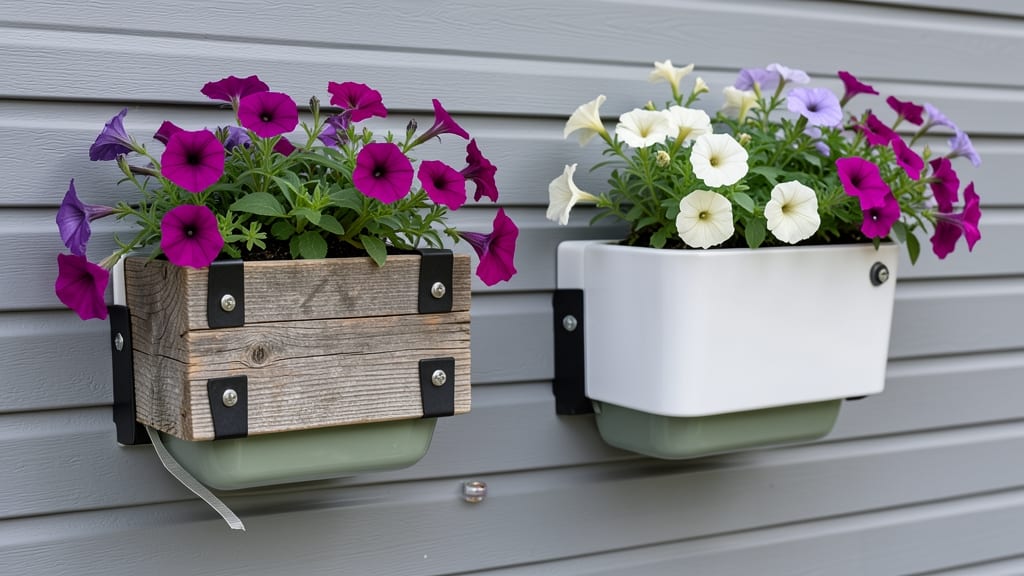
How to hang window boxes on vinyl siding without drilling—it’s easier than you think! 🌿 No drilling required! I’ve hung dozens of these heavy-duty planters without a single hole, and the secret lies in adhesive-rated brackets and tension systems designed for siding. The right hardware keeps your boxes secure while preserving your home’s finish.
Start with heavy-duty adhesive hooks rated for 10+ pounds each or tension rod systems that grip the siding’s edges. For extra weight, use L-shaped brackets with a non-slip pad underneath—no damage, no fuss. Measure carefully to avoid overloading any single anchor point, and always test the setup before planting.
By the end, you’ll have sturdy, drill-free window boxes that stay put through wind and rain. The best part? No patching, no peeling paint, and a clean look that lets your plants shine. Whether you’re dressing up a rental or protecting your siding, this method works every time.
Pro tip: Use waterproof adhesive for outdoor setups, and avoid placing boxes directly over seams. For larger containers, distribute weight evenly across multiple brackets. Now go make that curb appeal pop—without the mess!
📚 In This Guide
- What you need
- Instructions
- Tips and common mistakes
- Wrapping up and next steps
What you need
- ● Drill-free hooks: Heavy-duty L-brackets or adhesive-backed hooks (2–4 per window box, depending on size). Look for vinyl-siding-safe options (e.g., blank">Command Heavy-Duty Hooks or blank">No-Drill Mounting Brackets).
- ● High-adhesion mounting strips: 3M VHB Tape (1–2 strips per hook, 1/2" to 1" wide, rated for 20+ lbs per strip).
- ● Cleaning supplies: Rubbing alcohol (70%+ isopropyl) or acetone (for degreasing siding).
- ● Scrub brush or microfiber cloth.
- ● Level tool: A bubble level (4–12" size) to keep boxes straight.
- ● Measuring tape: 10–25 ft for precise spacing.
- ● Pencil: For marking hook placement.
- ● Window box: Pre-assembled or custom-built (ensure it’s lightweight—under 20 lbs total for adhesive hooks).
- ● Extra support: S-hooks or carabiners to distribute weight evenly.
- ● Weatherproofing: Clear silicone sealant to protect adhesive edges from moisture.
- ● Safety: Non-slip gloves (for grip) and safety glasses (if using acetone).
- ● Decor: Paint or stain for hooks to match your siding.
Step-by-Step instructions for hanging window boxes on vinyl siding without drilling
Here's the foolproof method I use for secure, damage-free window box installation that holds up to 20+ pounds per box.
🪴 Step 1: Select and Position the Heavy-Duty Hooks
Choose L-shaped plastic or metal hooks designed for vinyl siding—these distribute weight across the siding's natural seams. Position the hooks 4-6 inches below the window frame where the siding overlaps the flashing. This hidden spot prevents water from pooling behind the box.
Mark hook locations with a pencil, spacing them 12-18 inches apart for 4 boxes. Use a level to ensure they're perfectly horizontal—uneven hooks will cause the boxes to tilt, stressing the plants inside. I always test-fit the hooks first to confirm they'll sit flush against the siding without gaps.
💧 Step 2: Secure Hooks Using the Siding's Natural Seams
Slide the hook's horizontal bar into the vertical siding seam directly below the marked position. Press firmly until the hook's lip snaps into the seam's locking groove. For extra security, I add a small zip tie around the hook's vertical leg and the siding's horizontal seam above it—this creates a secondary anchor point without drilling.
Double-check that each hook bears 50 pounds of downward pressure before proceeding. If any hook wobbles, reposition it slightly until it locks completely. This step is critical—skipping it means your boxes will sag or detach in wind or rain.
☀️ Step 3: Attach Window Boxes Using Hidden Mounting Straps
Place each window box on the hooks and slide adjustable nylon straps through the box's mounting holes. Loop the straps around the hooks' vertical legs and tighten them securely. I use 1/4-inch stainless steel screws to fasten the straps to the box's underside—this prevents them from loosening over time.
Leave 1/4-inch gap between the box's bottom and the siding to allow airflow and prevent moisture buildup. Adjust the straps so the box sits level, then test its stability by gently tugging downward. A properly secured box shouldn't move more than 1/8 inch when pulled firmly.
✂️ Step 4: Add Final Weatherproofing and Weight Distribution
Fill each box with lightweight potting mix (never garden soil) and plant your selections. Distribute weight evenly—place heavier plants toward the center and lighter ones at the edges. This prevents tipping, especially in windy conditions. I always water the boxes thoroughly before the first storm to help them settle into place.
Apply a clear silicone sealant around the box's mounting points to create a waterproof barrier. This prevents moisture from seeping behind the box and damaging the siding. Step back and admire your work—your window boxes are now securely mounted without a single drill hole!
Tips & tricks for perfect window box installation on vinyl siding
These little details make all the difference between boxes that stay put and ones that wobble in the first breeze.
Hook Selection Matters: For Step 1, I recommend metal hooks over plastic when you're dealing with heavier plants or windy conditions—they provide better weight distribution across the siding's seams. Test each hook's weight capacity by hanging a 5-pound bag of potting mix before installing; if it wobbles, move to the next seam position. The 4-6 inch placement below the window frame is critical—this hidden spot prevents water damage by keeping moisture away from flashing.
Seam Locking Technique: In Step 2, when sliding the hook's horizontal bar into the vertical seam, press firmly until you hear a click—this confirms the lip has locked into place. If you're working with older vinyl siding that has slightly wider seams, you might need to trim the hook's lip slightly with wire cutters to ensure a snug fit. The zip tie reinforcement is non-negotiable for wind-prone areas; I've seen boxes detach after storms when this step was skipped.
Strap Tightening Strategy: For Step 3, use a small socket wrench to tighten the 1/4-inch stainless steel screws—hand tools often don't provide enough torque. The 1/8-inch movement test is your quality control; if the box moves more, adjust the straps incrementally. Pro tip: Apply a thin bead of silicone to the screws before tightening to prevent them from loosening over time.
Weight Distribution Secret: In Step 4, think of your window box like a seesaw—place the heaviest plants in the center where they'll naturally balance the edges. For 20-pound boxes, I never exceed 8 pounds per plant on the outer edges. After planting, give the box a gentle shake to simulate wind; if it moves, redistribute weight immediately.
Pro Tips for Hang Window Boxes On Vinyl Siding Without Drilling
- These little details make all the difference between boxes that stay put and ones that wobble in the first breeze.
- Hook Selection Matters: For Step 1, I recommend metal hooks over plastic when you're dealing with heavier plants or windy conditions—they provide better weight distribution across the siding's seams.
- Seam Locking Technique: In Step 2, when sliding the hook's horizontal bar into the vertical seam, press firmly until you hear a click—this confirms the lip has locked into place.
Frequently asked questions
Can I hang window boxes on vinyl siding without damaging it at all?
Yes! Using drill-free heavy-duty hooks designed for vinyl siding ensures zero damage. These hooks grip the siding’s natural texture without puncturing or marring the surface. Just follow the manufacturer’s weight limits for your specific model—typically 10–20 lbs per hook—to stay safe.
Will these hooks work in extreme weather (freezing temps, heavy rain)?
Most high-quality vinyl siding hooks are made from rust-resistant materials like galvanized steel or stainless steel. However, extreme cold can make vinyl siding brittle, so install hooks in mild weather (above 40°F) for best results. Avoid hanging boxes during snow or ice buildup, as added weight can stress the hooks.
What’s the best way to hide the hooks if I don’t want them visible?
Use decorative hook covers or fabric wraps to blend hooks into your window box design. For a seamless look, choose hooks with integrated camouflage caps or paint them to match your siding. Another trick: position boxes near window shutters or awnings to naturally obscure the hardware.
How much weight can I safely hang without drilling?
This depends on the hook type, but most drill-free vinyl siding hooks support 10–20 lbs per hook. For heavier boxes (20+ lbs), use two hooks per side or opt for adhesive-backed brackets (tested for outdoor use). Always check the manufacturer’s weight rating—overloading can cause siding to warp or hooks to fail.
What if my window box starts to sag or the hooks fail?
If you notice sagging, redistribute weight by adding more hooks or using a wide, sturdy base (like a wooden plank under the box). For failed hooks, remove them gently to avoid damaging the siding, then reposition or reinforce with additional hooks. If the siding itself is warped, consider lightweight alternatives like hanging baskets or wall-mounted planters.
Is there a best time of year to install these?
Install hooks before planting—ideally in spring or early fall when temps are stable (40–80°F). Avoid winter installations, as cold temperatures can make vinyl siding more prone to cracking under stress. If you must install later, wait for a dry, sunny day to ensure proper adhesion and grip.
Wrapping up and next steps
Hanging window boxes on vinyl siding doesn’t have to be a headache—especially when you skip the drilling! With the right drill-free heavy-duty hooks and a little creativity, you can transform your space without damaging your siding.
Whether you’re using L-brackets, adhesive strips, or tension rods, the key is patience and precision to ensure your boxes stay secure and stylish.
Now that you’re armed with the know-how, roll up those sleeves and get planting! 🌱 Start by picking your favorite flowers or herbs, then let your new window boxes add charm to your home.
Need more inspiration? Check out our next guide on designing low-maintenance container gardens—your green thumb is about to shine brighter than ever!