
How To
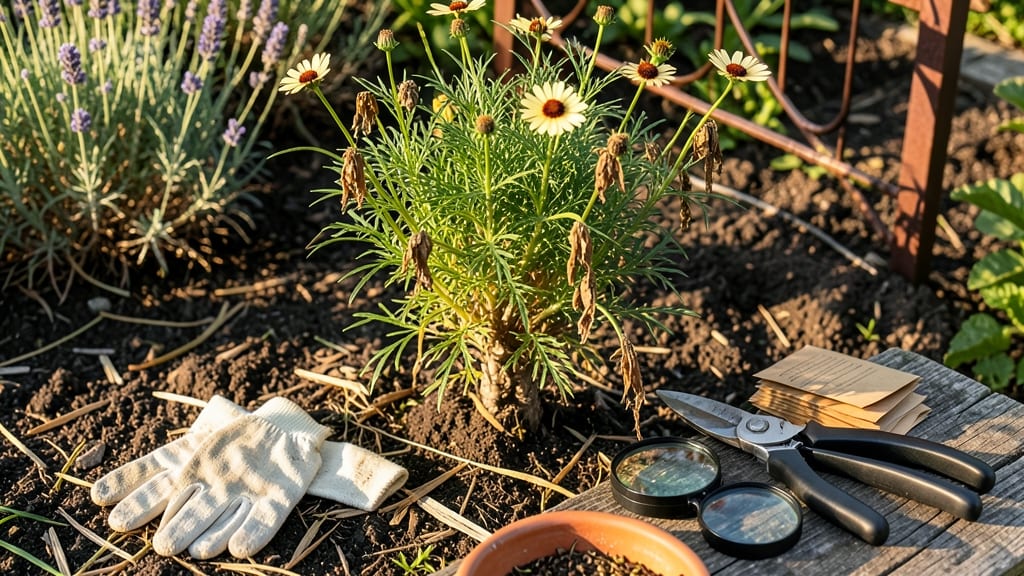
When to harvest Coreopsis seeds: identifying the perfect pod stage
Harvesting Coreopsis seeds at the right time ensures high viability and prevents wasted effort. The key is watching for brown, dry seed heads that begin cracking open naturally—this signals peak maturity. If you harvest too early, seeds won’t germinate; too late, and they’ll scatter everywhere like tiny exploding popcorn.
Timing depends on your climate zone. In USDA Zone 6a (like much of the Midwest), seed heads typically mature between late August and October. But if you live in warmer zones (like Zone 8-10), pods may dry by July or early August.
Always check local frost dates—harvest before the first frost kills the plant.
Look for these 3 key signs of readiness:
- Brown seed heads (no green left),
- Cracking pods (you’ll hear a faint rattle when shaken), and
- Seeds easily falling out when gently pressed. Avoid harvesting if heads are still green or firm—those seeds won’t sprout.
Early blooming varieties (like Coreopsis verticillata) may produce seeds 4-6 weeks earlier than late bloomers (such as Coreopsis gigantea). To stay organized, label plants at planting time or note which varieties bloom first in your garden. This helps you time harvests efficiently.
Morning is the best time to harvest. Dew has dried, but the air is still cool, which keeps seeds from drying out too quickly. Avoid harvesting after rain—moisture can cause mold or make pods too soft to handle.
If rain is forecast, harvest a day early to stay ahead.
🌼 Pro Tip: If you miss the window, don’t panic. Coreopsis seeds can remain viable in dry conditions for 1-2 years, though germination rates drop over time. Store extras in a cool, dark place (like a paper envelope) until you’re ready to plant.
| Stage | Seed Head Appearance | Action | Emoji |
|---|---|---|---|
| Not Ready | Green or partially brown | Wait 1-2 weeks | 🟢 |
| Ideal Harvest | Fully brown, cracking open | Harvest immediately | 🟤 |
| Overripe | Pods fully open, seeds scattered | Collect any remaining seeds | 💥 |
| Frost Risk | Brown but frost threatens | Harvest pods, dry indoors | ❄️ |
Climate plays a huge role in harvest timing. In hot, dry regions (like Arizona or Texas), seed heads may dry out 2-3 weeks faster than in cooler, humid climates (like the Pacific Northwest). Pay attention to local weather patterns—if summer heat arrives early, pods might mature sooner.
If you’re unsure whether seeds are ready, perform the "shake test": Hold a seed head over a white paper bag and gently shake it. If brown seeds rain down, they’re ready.
If only green chaff falls out, wait another week. This simple trick saves time and prevents wasted effort.
🌱 Remember: Coreopsis plants self-seed aggressively if left unchecked. If you’re not harvesting seeds intentionally, deadhead spent blooms by snipping off flower heads before they dry. This redirects the plant’s energy to new blooms instead of seed production.
Once you’ve mastered the timing, harvesting becomes second nature. Next, we’ll cover the step-by-step process for collecting, drying, and storing your seeds to ensure next year’s garden is just as vibrant as this year’s.
Step-by-step seed harvesting process for Coreopsis
Now that you’ve spotted those brown, papery seed pods, it’s time to harvest Coreopsis seeds before they scatter everywhere. Grab a paper bag or clean envelope and head outside on a dry, sunny morning—this is when seeds are easiest to collect.
Avoid rainy days, as moisture can reduce seed viability.
Gently squeeze the dried seed head between your fingers or use a small scissors to snip it off the stem. Place the entire head into your bag—this prevents seeds from flying away while you process them.
If you’re working with multiple plants, label each bag with the variety name and harvest date to keep things organized.
- Shake the Seed Head
- Separate Seeds from Chaff
- Dry the Seeds
- Store Properly
Pro tip: If you’re impatient, place seed heads in a brown paper bag and hang it upside down for a few days. The seeds will naturally shake free into the bag—no extra work needed! Just be sure to check them daily to avoid over-ripening.
Common mistakes to avoid include harvesting green or partially dried pods (seeds won’t germinate) or waiting too long (seeds may scatter or attract pests). If you notice mold or dampness during drying, spread seeds out immediately to prevent spoilage.
Once stored, your Coreopsis seeds are ready to plant next spring—just follow the same 1/4-inch depth rule in well-draining soil. Happy seed-saving!