
Picking
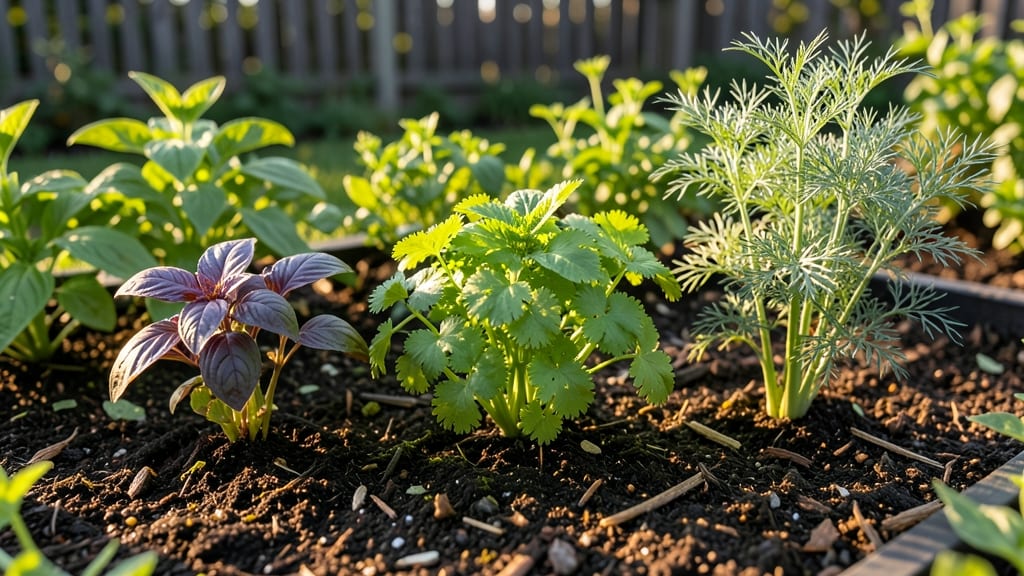
Fresh cilantro bolting too quickly? These 10 expert harvesting techniques will maximize your yield while keeping your plants thriving all season long—no more bitter surprises in your salsa!
Cut-and-Come-Again Method for Continuous Growth
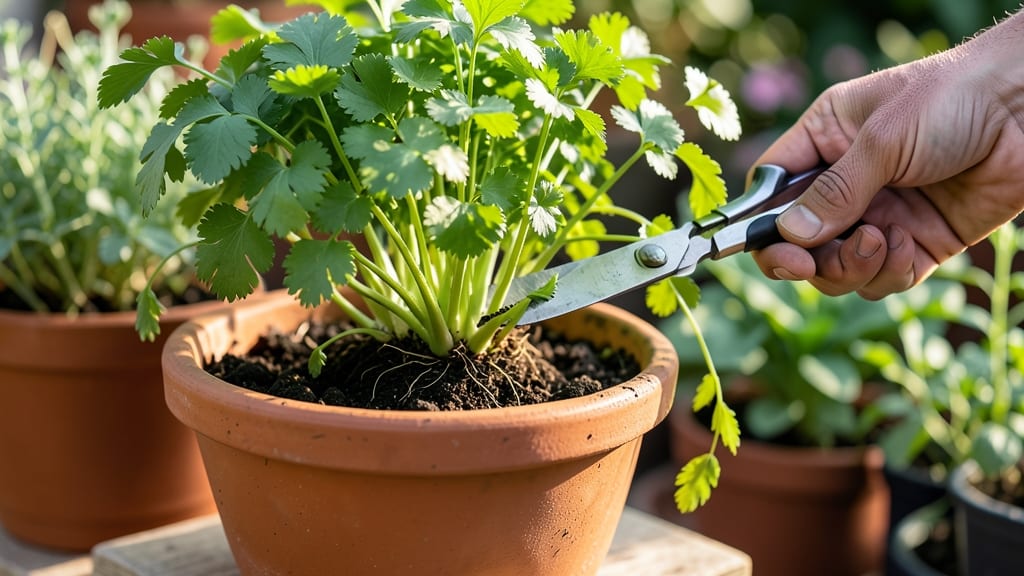
Want endless fresh cilantro without sacrificing plant health? The cut-and-come-again method is your secret weapon—especially for container gardens where space is tight. Instead of harvesting whole stems, snip just the outer stems 1-2 inches above the soil line. This stimulates new growth from the center while keeping your plants compact and productive.
Use clean, sharp scissors to avoid crushing stems, and harvest every 1-2 weeks when leaves reach 4-6 inches tall. For container cilantro, this method works year-round if you provide 6+ hours of sun and consistent moisture. The key is balance: never remove more than one-third of the plant at once, or you’ll stunt regrowth. This approach gives you continuous harvests for months without replanting.
Perfect for urban gardeners or anyone short on space, this technique turns a single plant into a self-sustaining cilantro factory. 🌱
Pinch the Flower Stalks Before Bolting
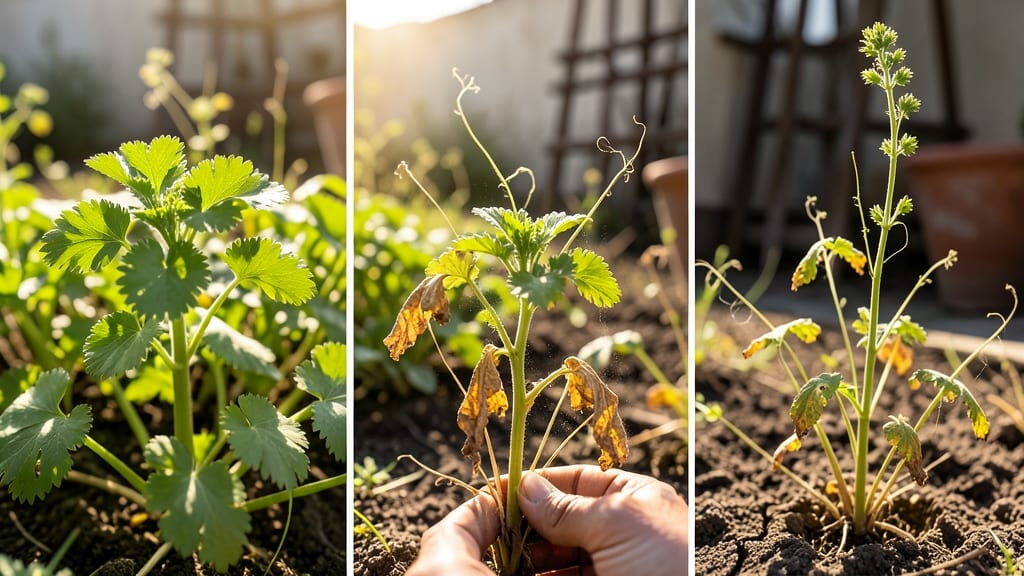
Hot climates turn cilantro into a bitter, bolted mess faster than you can say "salsa." But here's the secret: pinching those flower stalks early can add 2-3 extra weeks of leaf production—no fancy tools required.
When you spot those thin, wiry stalks emerging (usually 3-4 weeks after planting), simply pinch them off with your thumb and forefinger. This prevents the plant from diverting energy to seed production, keeping it focused on leaf growth. For best results, do this every 2-3 days once stalks appear—it’s like hitting the reset button on your plant’s life cycle.
This trick is a game-changer for gardeners in USDA zones 8-11, where cilantro bolts in weeks instead of months. Even if your plant eventually bolts, you’ll enjoy fresh leaves long enough to use them in dishes before they turn tough. 🌱
Harvest Leaves in Stages for Flavor Consistency
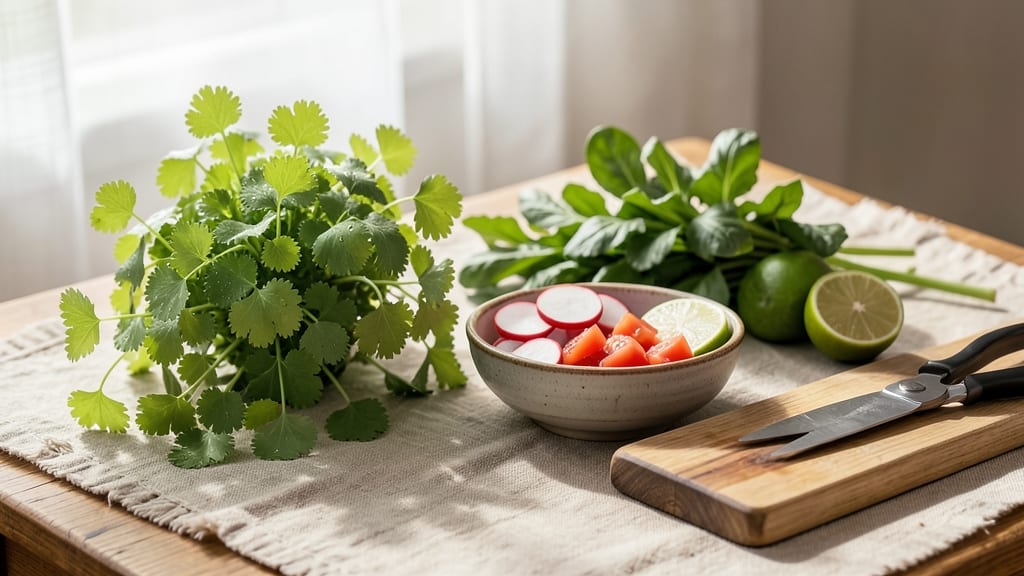
Want to use cilantro in everything from delicate salads to bold salsas? The secret lies in harvesting leaves at different stages—young leaves pack a milder, sweeter flavor, while older leaves develop a bold, citrusy intensity perfect for marinades. This simple technique lets you tailor your harvest to your recipe needs.
Start by picking the outer leaves first—they’re usually older and more flavorful. As the plant grows, let the inner leaves mature for a deeper taste. For chefs, this means you can harvest young leaves for garnishes and older leaves for salsas or soups from the same plant. Just avoid taking more than one-third of the plant at once to keep it thriving.
This method is especially useful for home gardeners who love cilantro but struggle with bolting—by focusing on leaf stages, you extend the plant’s productive life while enjoying flavor variety. 🌿
Use a Harvest Basket to Avoid Leaf Damage
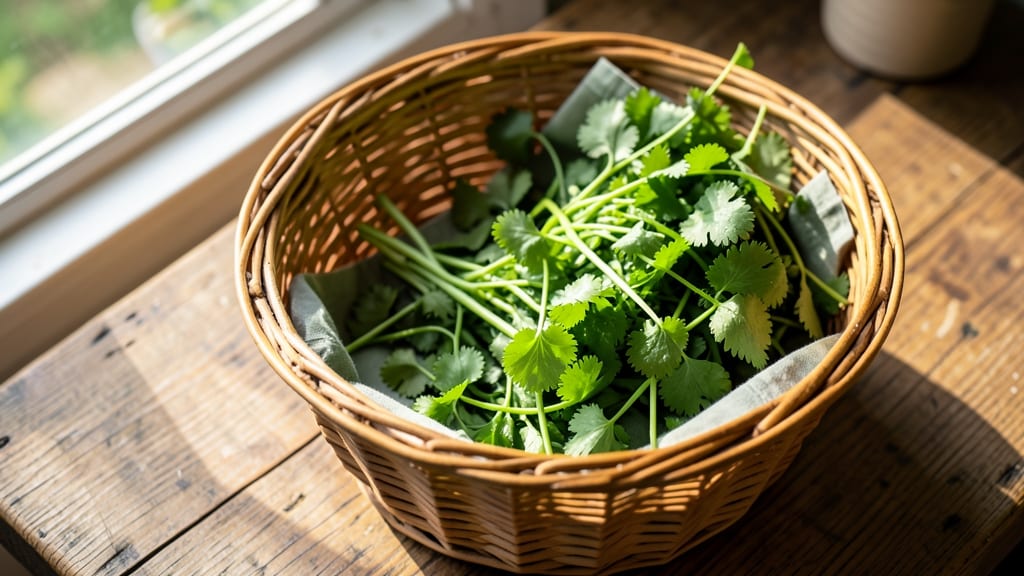
When you’re harvesting large batches of cilantro for farmers' markets or restaurant orders, rough handling can turn vibrant leaves into limp, bruised messes. A harvest basket—whether woven from rattan or lined with soft fabric—creates a gentle cradle for your crop, preserving crispness and color during transport.
Fill the basket loosely to prevent stems from rubbing together, which causes oxidation and wilting. For extra protection, line it with a damp towel to maintain humidity, especially if you’re transporting cilantro in hot weather. This simple trick keeps leaves fresh for up to 48 hours, making it a game-changer for sellers or gardeners with abundant harvests.
This method is ideal for anyone who wants to minimize post-harvest loss without sacrificing convenience. Whether you're a home gardener prepping for a big meal or a vendor stocking market stalls, a harvest basket ensures your cilantro arrives as fresh as the day it was picked. 🌿
Harvest Roots for Microgreens Later
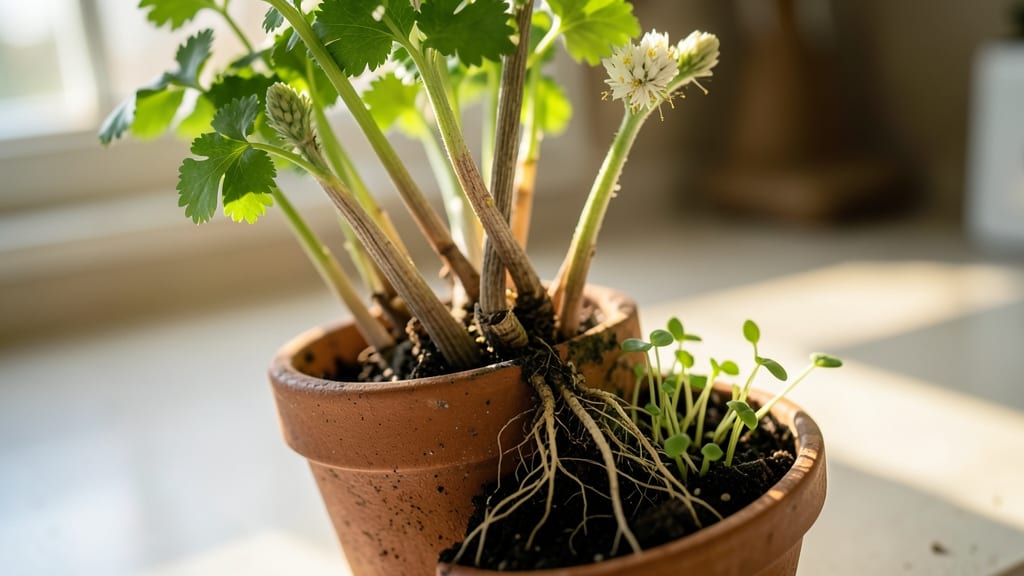
When your cilantro finally bolts—turning bitter and woody—don’t toss it! Those roots hold hidden potential as nutrient-dense microgreens, offering a second harvest with zero waste. This clever trick turns a gardening "failure" into a high-value, space-saving solution for small spaces.
Simply pull the entire plant (roots and all) when flower stalks appear. Rinse the roots gently, then replant them in a shallow tray with fresh soil. Keep the tray in bright, indirect light and mist daily. In just 7-10 days, you’ll get tender microgreens packed with flavor—ideal for salads or garnishes. The roots regenerate quickly, making this perfect for urban gardeners with limited space.
This method works especially well for container growers or those using hydroponic setups, as it maximizes every inch of growing area. Plus, you’ll enjoy a second harvest without replanting seeds. 💚
Shade Cloth Protection for Extended Harvest
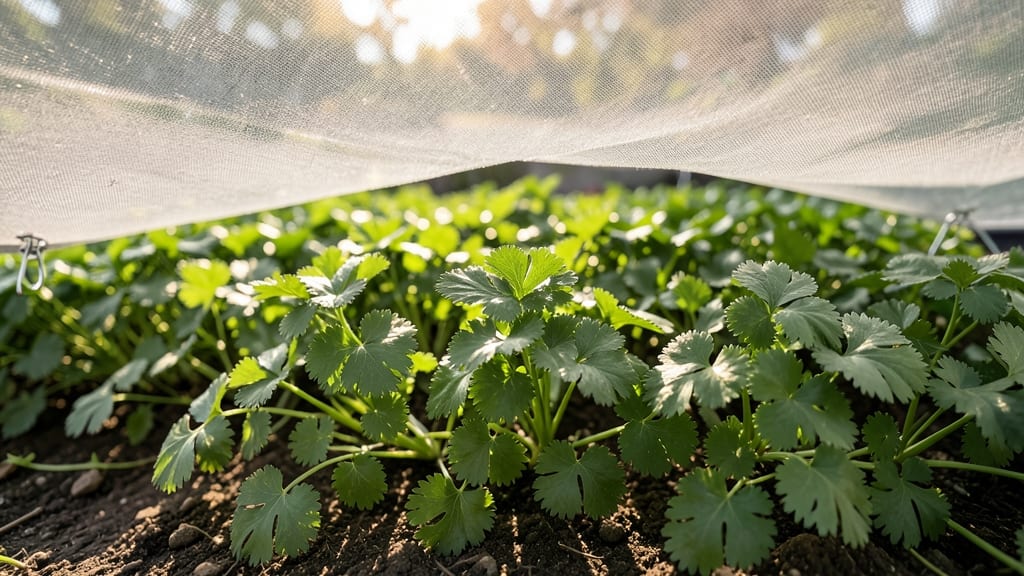
If your cilantro bolts faster than you can use it—especially in hot summer climates—shade cloth is your secret weapon. This lightweight mesh blocks 20-50% of sunlight, preventing the heat stress that triggers bolting while still allowing enough light for vigorous growth.
Install 30% shade cloth (the sweet spot for cilantro) over your plants when temperatures exceed 85°F. Secure it with stakes or hoops, leaving room for airflow to prevent fungal issues. You’ll extend your harvest window by 4-6 weeks, giving you time to enjoy fresh leaves instead of bitter stems. This method works particularly well for container gardens or raised beds where you can easily drape and adjust coverage.
Gardeners in USDA zones 8-10 or those with intense afternoon sun will see the biggest benefits. It’s a low-cost, high-impact solution that turns struggling cilantro into a year-round staple. 💚
Harvest in Early Morning for Peak Freshness
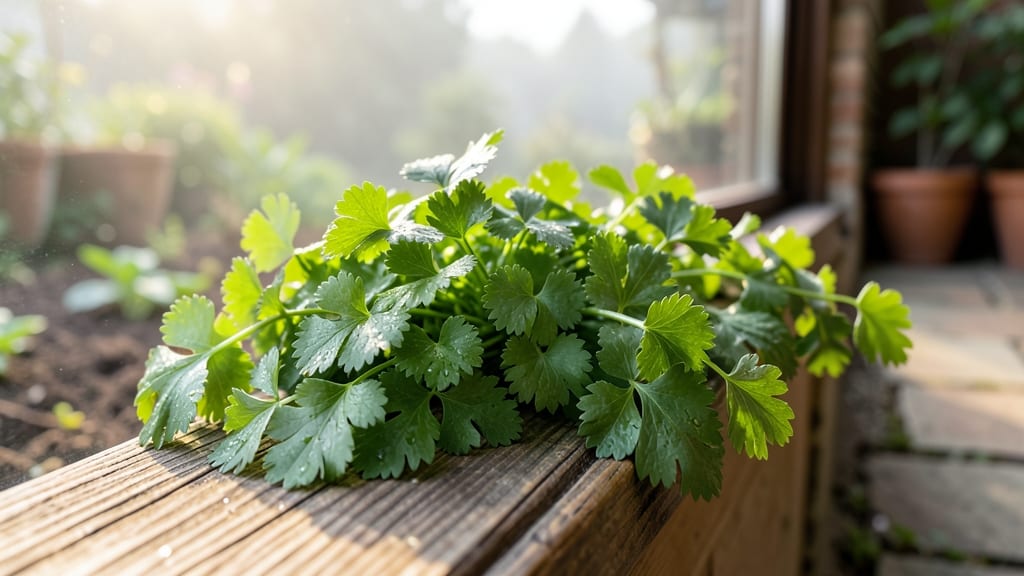
Want cilantro that tastes like it was just plucked from a chef’s garden? The key lies in timing—harvesting in the early morning when leaves are at their peak moisture and flavor. This simple habit transforms your homegrown cilantro from good to gourmet-worthy, making it a must-try for anyone serious about culinary quality.
Between 5 AM and 8 AM, cilantro leaves contain the highest concentration of volatile oils (what gives them that bright, fresh taste) and are crisp with dew-fresh hydration. Use clean, sharp scissors to snip stems just above a leaf node, leaving at least half the plant intact to encourage regrowth. For professional chefs or home cooks, this timing ensures your cilantro shines in dishes where flavor matters most—like guacamole or fresh salsas.
This method is especially valuable for gardeners who grow cilantro for culinary use rather than just greens. The extra moisture also helps leaves stay vibrant longer, whether you’re prepping for a meal or storing for later. Give it a try, and you’ll notice the difference in every bite! 🌱
Regrow from Cut Stems in Water
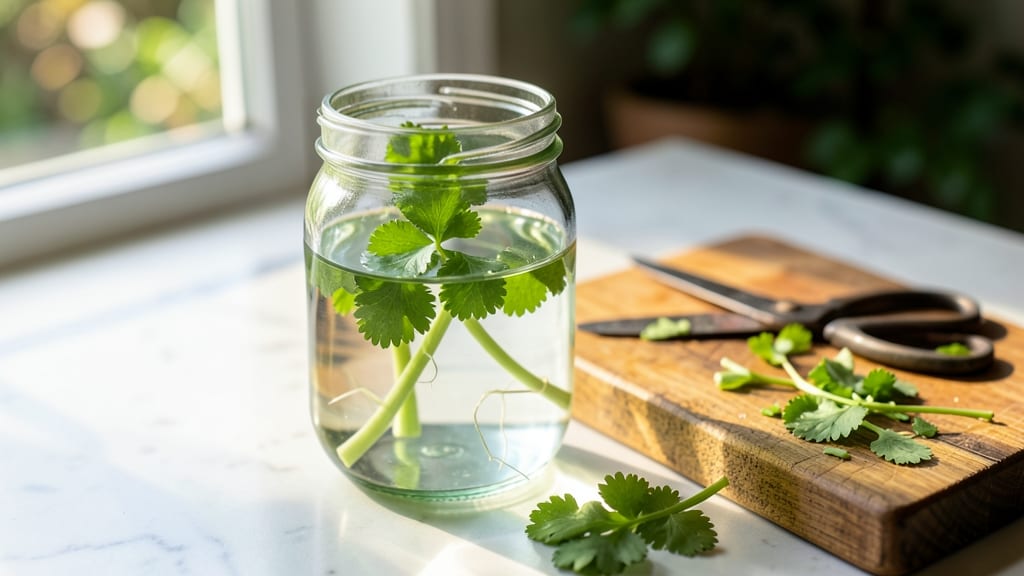
Tired of cilantro plants dying after a single harvest? You can propagate cilantro indefinitely by simply placing cut stems in water—a trick that works like magic for indoor gardeners or anyone with limited outdoor space. This method turns scraps into fresh plants without replanting seeds, giving you a never-ending supply of flavor.
Start by cutting 4-6 inch stems just above a leaf node (where leaves meet the stem). Place them in a jar of room-temperature water, ensuring the nodes are submerged but leaves stay dry. Change the water every 2-3 days to prevent bacteria, and within 1-2 weeks, you’ll see new roots forming. Once roots reach 1-2 inches, transplant to soil or keep growing in water for a living herb garden.
This technique is perfect for apartment dwellers or those who want cilantro year-round without gardening space. Plus, you’ll always have fresh stems ready for cooking—no more bitter surprises! 🌱
Freeze Harvested Cilantro in Ice Cubes
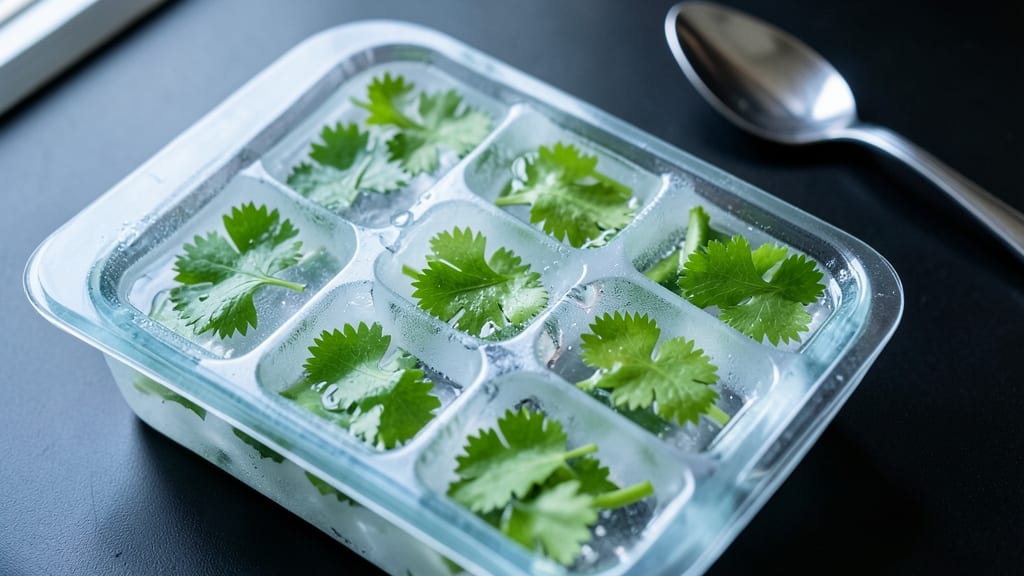
Overwhelmed by a cilantro bounty that won’t last? Freezing your harvest in ice cubes is the ultimate hack for preserving that bright, fresh flavor without wilting or browning. Unlike traditional freezing methods, this approach locks in texture and prevents the dreaded "freezer burn" that turns cilantro into a sad, mushy mess.
Start by chopping cilantro finely and packing it into ice cube trays, filling each section with water or broth to cover the leaves completely. Once frozen, transfer the cubes to a labeled freezer bag. These ready-to-use cubes thaw instantly in hot dishes—no chopping required—and keep for up to 6 months. The water also prevents oxidation, so your cilantro stays vibrant for soups, dressings, or marinades.
This method is a lifesaver for meal preppers or gardeners with abundant harvests who want to avoid waste. No more tossing out wilted cilantro—just grab a cube and add freshness to any dish in seconds! ✨
Companion Planting to Delay Bolting

Tired of cilantro bolting before you can enjoy it? Instead of reaching for chemical solutions, try this organic trick: plant cilantro alongside basil or dill to create a natural microclimate that slows bolting. These companion plants work together to moderate soil temperature and moisture, giving your cilantro the stable conditions it craves.
The key is spacing: place basil (which thrives in warm conditions) nearby to buffer heat stress, while dill (a taller plant) provides light shade. This combo extends your harvest window by 3-4 weeks without any extra work. For best results, plant them in partial shade during peak afternoon sun—this mimics their natural growing conditions and keeps cilantro focused on leaf production.
This method is perfect for organic gardeners or those with small spaces who want to avoid chemicals. Plus, you’ll enjoy fresh herbs for cooking while keeping your garden ecosystem balanced. 🌿