
Size
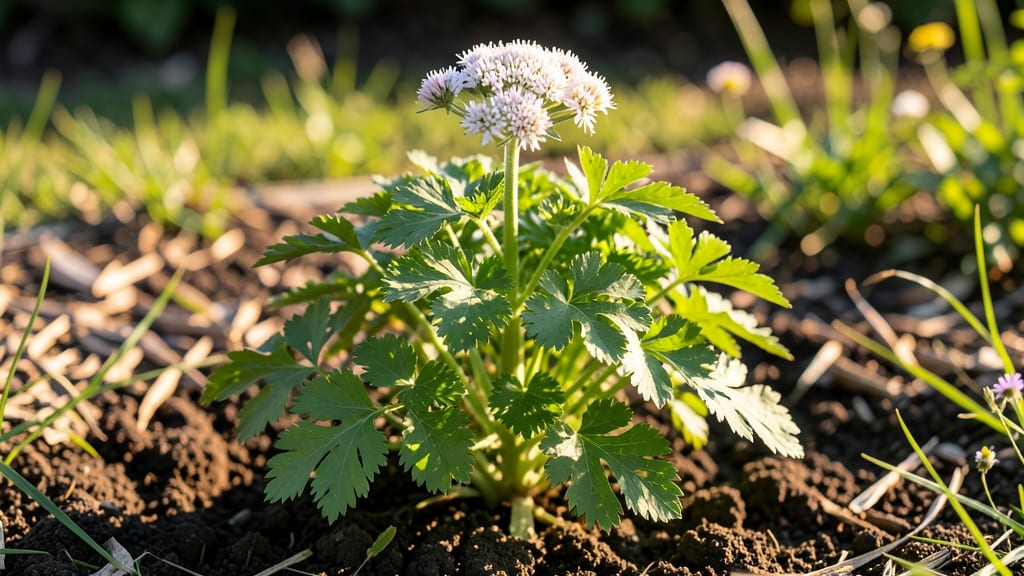
How to grow cilantro in Texas feels like a game of heat chess. 🌱 The key? Tricking it into thinking it's still spring when the thermometer says otherwise. I've lost count of the times cilantro bolted before I could even snip a few leaves—but this method actually works, even in 100°F summers.
Start with the right variety: look for slow-bolting types like 'Santo' or 'Calypso,' which handle Texas heat better than standard cilantro. Plant in partial shade (morning sun, afternoon shade) or under 30-50% shade cloth—no excuses.
The soil needs to stay consistently moist but well-draining; Texas clay? Amend it with compost or use raised beds to avoid soggy roots.
Water deeply twice a week (more in peak heat) and harvest leaves frequently—this keeps the plant focused on growth, not flowering. Mulch with straw to lock in moisture and keep roots cool. If you see flower stalks, snip them immediately—this resets the plant's growth cycle.
For year-round harvests, grow cilantro in fall, winter, and early spring—it thrives when temps stay below 75°F. Summer? Treat it like a delicate houseplant with extra shade and patience. The payoff? Fresh cilantro for tacos, soups, and guacamole without the $4 store markup.
📚 In This Guide
- What you need
- Instructions
- Tips and common mistakes
- Wrapping up and next steps
What you need
- ● Cilantro seeds: Choose organic, heirloom, or bolt-resistant varieties like ‘Santo,’ ‘Calypso,’ or ‘Slow Bolt’ (1–2 grams per pot or 10–15 grams for a 10’ row).
- ● Containers or garden bed: Containers: 6–12" deep pots (3–4" diameter for each plant) with drainage holes.
- ● Garden bed: Well-draining soil in a partial-shade spot (morning sun, afternoon shade).
- ● Potting mix: High-quality, organic mix with perlite or vermiculite (avoid heavy clay soil).
- ● Shade cloth: 30–50% shade fabric (for hot Texas afternoons).
- ● Watering can or hose: With a gentle spray nozzle for even moisture.
- ● Fertilizer: Balanced 10-10-10 or organic options like compost tea or fish emulsion.
- ● Gloves & tweezers: For seed planting and thinning.
- ● Seedling trays: For starting seeds indoors 2–3 weeks before last frost.
- ● Mulch: Straw or shredded leaves to retain moisture.
- ● Grow lights: If starting seeds indoors (12–16 hours/day).
- ● Succession planting kit: For staggered harvests (sow every 2–3 weeks).
- ● Pest control: Neem oil or diatomaceous earth (for aphids or spider mites).
Step-by-step instructions for growing cilantro in Texas heat
Texas summers will bolt cilantro faster than you can say "taco night"—here's how to outsmart the heat.
🌱 Step 1: Time Your Planting for Cool Seasons
Cilantro thrives when daytime highs stay below 75°F—any hotter and it bolts within weeks. Plant seeds 6-8 weeks before your first frost (typically late August to early September in North Texas) for a fall/winter harvest. For spring, aim for January sowing when soil temps drop below 70°F. I've found that planting in October gives the best balance between harvest time and heat avoidance.
Use a seed starting kit with 2-3 inch deep cells to begin indoors if you're pushing the season. Keep seedlings under grow lights until they develop first true leaves—this gives you a 3-4 week head start before transplanting. The key is getting them established before soil warms past 65°F in spring.
☀️ Step 2: Provide Partial Shade and Wind Protection
Once planted, cilantro needs morning sun only—afternoon shade is non-negotiable in Texas. I use 50% shade cloth during peak summer months (March-May and September-October) to filter intense rays. Position plants where they get 3-4 hours of direct morning sunlight and dappled shade for the rest of the day.
Use windbreaks if your yard is exposed—cilantro stems are delicate and will snap in Texas' sudden gusts. A simple bamboo fence or even a tall grass barrier works. Watch for yellowing leaves—this is your first sign of heat stress or too much direct sun. Move plants to deeper shade immediately if you see this.
💧 Step 3: Water Deeply and Consistently
Cilantro hates dry soil—keep the top 2 inches moist at all times. Water early morning to prevent fungal issues from evening moisture. I use a soaker hose set to low flow for 20 minutes twice daily during 90°F+ days to prevent wilting. The soil should never dry out completely between waterings.
Mulch with 1-2 inches of straw to retain moisture and regulate soil temperature. This helps maintain cooler root zones, which is critical during our 100°F+ heat waves. You'll notice leaves perk up noticeably within hours of proper watering—wilting is a clear distress signal that requires immediate attention.
✂️ Step 4: Harvest Strategically to Prevent Bolting
Harvest outer leaves first when they reach 3-4 inches tall, leaving the inner growth intact. This encourages bushier plants that last longer. I cut stems just above a leaf node to stimulate new growth. Never take more than 1/3 of the plant at once—cilantro is surprisingly resilient but needs time to recover.
Watch for flower stalks—these appear as tall, thin stems with yellow buds. If you see them, snip immediately to redirect energy back to leaf production. In Texas, bolting happens fast, so check plants every 3-4 days during warm spells. The sooner you remove flower stalks, the longer you can enjoy fresh leaves.
🪴 Step 5: Extend the Season with Succession Planting
For continuous harvests, plant new seeds every 2-3 weeks during cool months. This staggered approach ensures you always have fresh cilantro. I've successfully grown cilantro through January in North Texas by using row covers on chilly nights—just remove them during the day when temps rise above 50°F.
Save seeds from your best plants for next season. Let a few stalks go to flower, then dry and store the seeds. This local adaptation gives you cilantro that's already heat-tolerant for your specific microclimate. The secret is patience—Texas cilantro won't be perfect, but it'll be yours.
Tips & tricks for growing cilantro in Texas heat
Texas’s brutal sun turns cilantro into a frustrating gamble—but these tricks turn it into a reliable harvest. I’ve learned the hard way which adjustments make all the difference between bolting disappointment and lush, flavorful leaves.
Shade Strategy: That 4-6 hours of morning sun is non-negotiable, but here’s the secret: Use a movable shade structure like a pop-up shade tent. Position it to block afternoon rays when the sun shifts. I’ve seen cilantro bolt by noon in fixed shade spots—movable systems let you adapt as the sun moves. For permanent solutions, plant near tall structures that cast afternoon shade naturally, like a tall fence or mature tree with a wide canopy.
Soil Science: The 2-3 inches of compost and perlite mix is your foundation, but here’s what I’ve found works even better: Add 1 cup of worm castings per 4 square feet of bed. The microbial activity in castings helps cilantro absorb nutrients more efficiently in Texas’s heat-stressed soil. Also, test your soil pH—cilantro prefers 6.2-6.8. If your Texas clay runs acidic (common here), add pelletized lime at planting time to bring it into the ideal range.
Watering Wisdom: The 2-3 times per week guideline works, but timing matters more than frequency. Water deeply in the early morning (before 8 AM) to give roots time to absorb moisture before the heat evaporates it. I’ve lost entire beds to fungal issues when watering in the evening—moisture lingers on leaves overnight. For container cilantro, use self-watering pots with moisture sensors to maintain that ½-inch dry top layer without overdoing it.
Harvest Hack: When harvesting every 2-3 weeks, don’t just snip the outer leaves—use scissors with a 1-inch blade and cut just above a leaf node. This encourages branching and prevents the plant from directing all its energy upward (which triggers bolting). I also harvest alternate rows on different days to give the remaining plants more space to recover between cuts. This staggered approach keeps your supply continuous even in Texas’s unpredictable weather.
Pro Tips for Grow Cilantro In Texas
- Texas’s brutal sun turns cilantro into a frustrating gamble—but these tricks turn it into a reliable harvest. I’ve le...
- Shade Strategy: That 4-6 hours of morning sun is non-negotiable, but here’s the secret: Use a movable shade structure...
- Soil Science: The 2-3 inches of compost and perlite mix is your foundation, but here’s what I’ve found works even bet...
Frequently asked questions
Got questions about growing cilantro in Texas?
You’re not alone—this herb can be tricky in our heat! Here are answers to the most common concerns, from timing to troubleshooting, so you can grow lush cilantro all season long.
When is the best time to plant cilantro in Texas?
Plant cilantro in early fall (September–October) or late winter (January–February) to avoid extreme heat. Texas’ summer temps (above 90°F) trigger bolting, so skip spring planting unless you’re using shade cloth. For year-round harvests, try successive plantings every 2–3 weeks in cooler months.
Why does my cilantro bolt so fast in Texas?
Cilantro bolts (sends up flowers) due to heat stress, long daylight hours, or maturity. Texas’ summer days (14+ hours of sunlight) speed up its life cycle. To delay bolting:
- Use shade cloth (30–50%) to reduce sunlight.
- Harvest leaves frequently to slow flowering.
- Choose slow-bolting varieties like ‘Santo’ or ‘Calypso.’
Can I grow cilantro indoors in Texas?
Grow cilantro indoors with 4–6 hours of sunlight daily (a south-facing window or grow light works). Use a 5–6 inch pot with well-draining soil, and keep temps between 60–75°F. Water when the top inch of soil is dry, and fertilize lightly every 4–6 weeks. Indoor cilantro stays fresh longer and avoids Texas’ outdoor extremes!
What can I do with cilantro if it starts flowering?
Don’t toss it! Flowering cilantro is still edible—just milder in flavor. Use the leaves and stems in:
Save seeds for next year’s garden if you like the spicy coriander flavor!
How do I prevent pests like aphids or spider mites on my cilantro?
Texas pests love cilantro, but you can fight back naturally:
- Neem oil spray (1 tsp neem oil + 1 quart water) every 7–10 days.
- Introduce beneficial insects like ladybugs or lacewings.
- Spray plants with soapy water (1 tsp mild soap per gallon) for aphids.
- Keep plants well-watered to deter mites (they thrive in dry conditions).
Wrapping up and next steps
Growing cilantro in Texas is totally doable—you just need to work with its quirks, like providing shade and consistent moisture. With the right soil, timing, and a little patience, you’ll enjoy fresh, flavorful cilantro straight from your garden or container. 🌿
Ready to bolt-proof your harvest? Start small with a pot or patch, and soon you’ll be savoring homegrown cilantro in your favorite dishes. Next up: Share your progress with fellow gardeners or experiment with cilantro varieties to find your perfect match!