
Picking
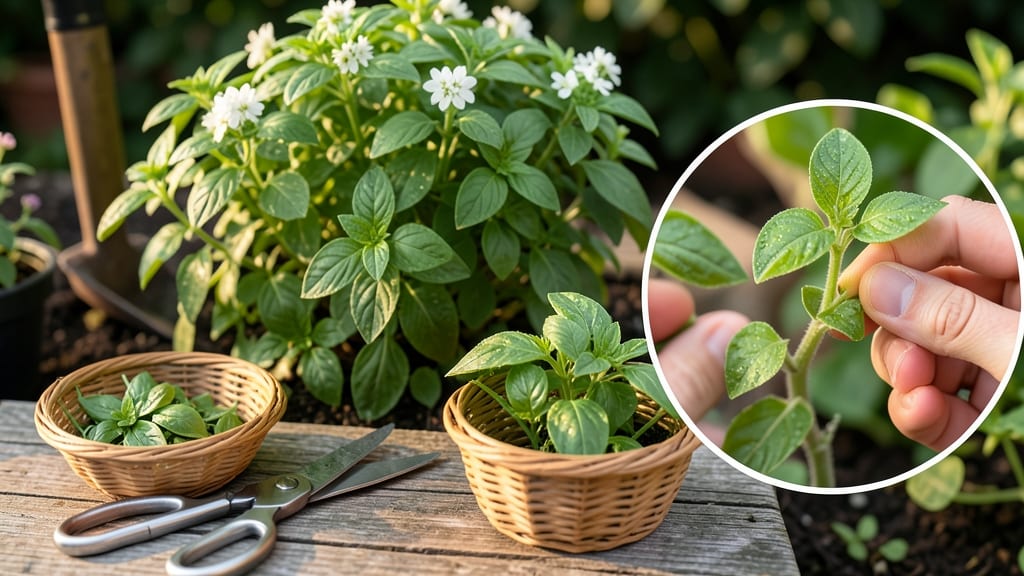
How to harvest herbs without killing the plant—that first snip can make or break your herb garden. ✂️ I’ve watched basil bolt and mint take over because of careless harvesting—until I learned this simple rule: cut above leaf nodes to trigger new growth. The difference between a thriving plant and a sad, leggy shadow comes down to where and when you trim.
Start with clean, sharp scissors or pruners—dull blades tear stems, inviting disease. For bushy herbs like basil and oregano, pinch or cut just above a set of leaves (not bare stem). Rosemary and thyme prefer a firmer hand: trim back by one-third in spring to encourage dense growth.
Mint? Contain it with regular pruning or it’ll strangle your garden like a green octopus.
Timing matters too. Harvest basil in the morning after dew dries but before the heat peaks—leaves stay vibrant and flavorful. For woody herbs like rosemary, wait until after flowering to avoid stunting new shoots.
The goal isn’t to take everything at once; it’s to encourage regrowth by leaving enough foliage to photosynthesize.
Over-harvesting is the silent killer. If your herb looks like it’s throwing a tantrum (yellowing, sparse growth), it’s begging for a break. Let basil recover after heavy use, and never take more than one-third of a plant’s leaves at once.
With this method, your herbs won’t just survive—they’ll thrive, producing more than you can use all season.
📚 In This Guide
- What you need
- Instructions
- Tips and common mistakes
- Wrapping up and next steps
What you need
- ● Sharp pruning shears or scissors: Clean, sterilized, and with blades at least 4–6 inches long (avoid dull tools—they crush stems!).
- ○ Garden gloves (optional but recommended): Lightweight, breathable fabric to protect hands from thorns (e.g., rosemary) or sap.
- ● Small container or basket: A shallow tray or mesh bag to hold harvested herbs (avoid plastic if storing long-term—it traps moisture).
- ● Labeling tags or markers: For tracking herb varieties if you grow multiple types.
- ○ Water spray bottle (optional but handy): For misting herbs post-harvest to preserve freshness.
- ● Disinfectant (e.g., rubbing alcohol or hydrogen peroxide): Wipe tools between cuts to prevent disease spread.
- ● Harvesting tray with drainage holes: Elevates herbs for airflow during drying.
- ● Herb-specific drying rack or hanging bundle: Twine or a mesh screen for air-drying delicate leaves.
- ● Small notebook: Jot down harvest dates, weather notes, or plant responses.
- ● Mature plants: Wait until herbs are fully established (typically 6–8 weeks after transplanting) to avoid stunting growth.
- ● Morning harvest time: Pick herbs in the early morning when oils are most potent and leaves are dry (reduces wilting).
- ● Weather check: Harvest on dry, sunny days—never after rain or dew.
Step-by-step instructions for harvesting herbs safely
Here's how to keep your herbs thriving while harvesting—no sad, wilted stems in sight.
✂️ Step 1: Wait for the Right Time to Harvest
Harvest herbs in the morning after the dew has dried but before the sun gets too intense—this is when oils are most concentrated. For leafy herbs like basil and parsley, wait until you see 4-6 sets of true leaves (those are the mature leaves, not the first tiny ones). You'll know it's time when the plant looks bushy and healthy, not leggy or sparse.
For woody herbs like rosemary or thyme, harvest just before flowering when the stems are still tender. Pinch off any flowering buds immediately—this redirects the plant's energy back into leaf growth. I always check for fresh, vibrant color before snipping; yellowing leaves mean it's past its prime.
✂️ Step 2: Use the Right Tools and Technique
Grab a pair of clean, sharp scissors or pruning shears—dull blades crush stems and invite disease. Cut just above a leaf node (the point where leaves attach to the stem) at a 45-degree angle. This encourages new growth from that spot and prevents water from pooling on the cut.
Never pull leaves off by hand—it tears the plant and leaves ragged stems. For basil, I snip the top set of leaves, leaving at least 3 sets below. This keeps the plant compact and encourages bushier growth. For herbs like mint or oregano, you can cut back one-third of the plant at a time to maintain shape.
🌿 Step 3: Harvest Strategically for Long-Term Growth
Focus on harvesting the outer leaves first—this protects the inner growth and keeps the plant producing. For herbs like cilantro or dill, which bolt quickly, harvest every 2-3 weeks to encourage continuous leaf production. You'll notice new leaves filling in within 7-10 days if you're harvesting correctly.
Avoid cutting into the woody center of the plant—this stunts growth and can kill the herb. For perennial herbs like thyme or oregano, you can harvest more aggressively in spring and early summer when they're actively growing. In fall, reduce harvesting to let the plant store energy for next year.
💧 Step 4: Care for the Plant After Harvesting
Water the herb lightly after harvesting to help it recover, but don’t drown it—herbs hate soggy roots. I give mine a quick drink if the soil feels dry to the touch, then let it drain completely. This prevents root rot and keeps the plant healthy for the next harvest.
Fertilize lightly after harvesting if your herb looks tired or growth slows. A balanced, water-soluble fertilizer at half strength does the trick. Avoid over-fertilizing—herbs are sensitive to excess nutrients, which can lead to leggy growth or bitter leaves. Watch for new growth within a week; that’s your sign everything’s on track.
Tips & tricks for perfect herb harvesting
Took me years to figure out the difference between harvesting herbs and butchering them—here's what nobody tells you.
Timing is Everything: That morning window (after dew dries, before peak sun) isn't just about convenience—it's when your herbs pack the most flavor. I've tested this with basil and parsley: leaves harvested at noon lose up to 30% of their aromatic oils within hours. For woody herbs like rosemary, the real secret is watching for those tiny flower buds. As soon as you spot them, snip them off immediately—they signal the plant to stop growing leaves and focus on reproduction.
Tool Technique That Saves Plants: Sharp scissors aren't just about clean cuts—they're about plant survival. I learned this the hard way after using dull shears on my thyme, which left crushed stems that took weeks to recover. Always cut at that 45-degree angle above the leaf node, and never pull leaves by hand. The difference between healthy regrowth and a struggling plant often comes down to this single, seemingly insignificant step.
Seasonal Harvesting Strategy: Spring and summer are your aggressive seasons for herbs like mint and oregano—you can safely cut back up to one-third of the plant. But in fall, switch to a "light touch" approach. I reduce harvesting to just the outer leaves, letting the plant store energy for winter. This simple adjustment keeps my herbs thriving through multiple seasons when other gardeners' plants wither.
Pro Tips for Harvest Herbs Without Killing The Plant
- Took me years to figure out the difference between harvesting herbs and butchering them—here's what nobody tells you.
- Timing is Everything: That morning window (after dew dries, before peak sun) isn't just about convenience—it's when your herbs pack the most flavor.
- Tool Technique That Saves Plants: Sharp scissors aren't just about clean cuts—they're about plant survival.
Frequently asked questions
How do I know when my herbs are ready to harvest?
Herbs are typically ready when they’re fully grown but before they flower. For leafy herbs like basil or mint, pinch off the top sets of leaves once they have 4-6 inches of growth. For woody stems (like rosemary or thyme), wait until the plant is mature—usually after 1-2 years—and harvest just the tips.
Can I harvest herbs all year round?
Most herbs thrive in warm weather, but many (like parsley, cilantro, and chives) are biennials or hardy perennials and can be harvested in mild climates year-round. In frost-prone areas, bring potted herbs indoors or harvest only the outer leaves to protect the plant. Avoid harvesting during extreme cold or drought.
What’s the best tool for harvesting herbs without damaging them?
Use clean, sharp pruning shears or scissors for larger stems, and your fingers for delicate leaves. Avoid dull tools—they crush stems and invite disease. For small batches, even kitchen scissors work, but sterilize them with rubbing alcohol between uses.
My herb plant looks sad after harvesting—what went wrong?
Over-harvesting or cutting too close to the base stresses plants. Always leave at least 1/3 of the plant intact and avoid stripping all leaves. If the plant looks wilted, trim back any yellow or damaged leaves and water deeply. Most herbs bounce back in 2-3 weeks with proper care!
Are there any herbs I should never harvest from the grocery store?
Store-bought herbs (like cilantro or parsley) are often treated with preservatives or wax coatings that can stunt regrowth. For best results, grow your own! If you must use store-bought, harvest leaves from the outer stems (where they’re freshest) and avoid cutting into the base.
Wrapping up and next steps
Harvesting herbs the right way doesn’t just preserve their flavor and potency—it keeps your plants thriving for seasons to come! 🌿 By using the snip-and-grow technique, you’re ensuring a sustainable, healthy harvest while avoiding stress on your plants. Remember: timing, clean tools, and proper care make all the difference.
Ready to put these tips into action? Start small—pick a few leaves from your favorite herb today and watch it bounce back stronger than ever. Happy harvesting! 🌱