
Pests
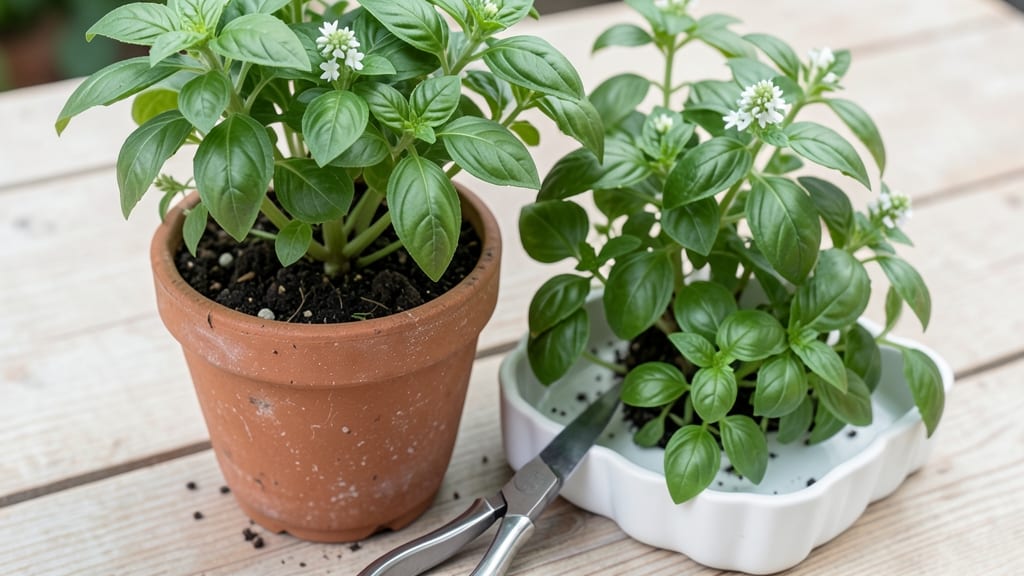
Here’s how to get bushy basil—your plants could be three times fuller by next week. 🌿 The secret isn’t fancy fertilizers or expensive pots—it’s simple pruning tricks that encourage more leaves, stronger stems, and nonstop harvests.
I've turned leggy, sad basil into thriving bushes using just my fingers and a pair of scissors.
Start by pinching off the top sets of leaves when your plant reaches 6 inches tall. This forces energy into side branches instead of just upward growth. Water at the soil level (never overhead) to prevent fungal issues, and give it 6-8 hours of sunlight daily.
Rich, well-draining soil with compost keeps roots happy and growth steady.
Within 2-3 weeks, you'll see new shoots forming where you pinched. Keep harvesting outer leaves regularly to encourage even more regrowth. The plant becomes a self-sustaining machine—more leaves, more flavor, and zero wasted space. My plants now produce enough for pesto every week without needing to replant.
Works for both container and in-ground basil, and the same method applies to other herbs like oregano and thyme. The key is consistency—prune early, prune often, and watch your plant transform. Ready to turn that sad little basil into a harvest powerhouse?
📚 In This Guide
- What you need
- Instructions
- Tips and common mistakes
- Wrapping up and next steps
What you need
- ● Basil plants: 1–3 healthy basil seedlings or seeds (Genovese, Thai, or Purple basil work great!)
- ● Pro tip: Start with 1–2 plants per pot (6+ inches wide) for optimal airflow and bushiness.
- ● Containers: 1–3 pots with drainage holes (6–12 inches in diameter, depending on plant size)
- ○ Optional: Self-watering pots or grow bags for consistent moisture.
- ● Potting mix: 1 bag of well-draining potting soil (avoid garden soil—it compacts and suffocates roots!)
- ○ Optional: Add 20% perlite or vermiculite to improve aeration.
- ● Pruning tools: 1 pair of clean, sharp pruning shears (sterilize with rubbing alcohol between cuts!)
- ● Alternative: Scissors or your fingers (for small pinches).
- ● Fertilizer: Balanced liquid fertilizer (10-10-10 or 20-20-20, diluted to half-strength)
- ○ Optional: Organic options like fish emulsion or compost tea.
- ● Watering can or spray bottle (with a gentle nozzle to avoid damaging leaves).
- ● Sunlight: 6+ hours of direct sunlight daily (south-facing windows or outdoor spots).
- ● Temperature: Ideal range: 60–80°F (15–27°C). Basil bolts (goes to seed) in extreme heat!
- ● Water: Keep soil consistently moist but not soggy (basil hates "wet feet").
- ● Space: Ensure plants have 3–4 inches of space between stems for airflow.
- ● Patience: Bushy basil takes 4–6 weeks of proper care to flourish!
Step-by-Step instructions for pinching and pruning basil
Here's how to transform leggy basil into a lush, productive bush—no expensive tricks, just smart pruning.
🌱 Step 1: Identify the Right Time to Pinch
Wait until your basil plant has at least 6-8 inches of growth and 4-6 true leaves (not counting the first pair of seed leaves). This ensures the plant has enough energy to branch out. I always check for new leaves emerging near the top—that's your signal the plant is ready for its first haircut.
Pinching too early stunts growth, while waiting too long means you'll be playing catch-up with leggy stems. The ideal moment is when the plant looks sturdy but hasn't yet started flowering—those flower buds will signal the end of your harvest window. Use clean, sharp scissors or your fingers to make the cut.
✂️ Step 2: Pinch Above a Leaf Node
Locate the pair of leaves just below the top set—this is where you'll make your first cut. Pinch just above this node (the small bump where leaves and stems meet) using your thumb and forefinger. This encourages the plant to send out new side shoots from that node. I always make the cut at a 45-degree angle to reduce water pooling on the stem.
Don't worry if it looks dramatic—what you're sacrificing now is temporary. Within 7-10 days, you'll see two new side branches emerging from that pinched node. These will become your bush's foundation. If you're growing basil in pots, this step is especially critical because container-grown plants need extra encouragement to fill out.
🌿 Step 3: Prune Regularly for Continuous Growth
After the initial pinch, keep pruning every 2-3 weeks during the growing season. Always cut above a leaf node—never below—to promote branching. I like to harvest leaves in the same motion: snip the top 1-2 inches of the main stem and any side branches that have grown 3-4 inches long. This double duty keeps your plant bushy while giving you fresh leaves.
Watch for new growth at the base—this is your plant's way of telling you it's thriving. If you notice yellowing leaves at the bottom, that's normal and just means it's time to trim them off. Never remove more than one-third of the plant's foliage in a single session, or you'll shock the basil into dormancy.
☀️ Step 4: Optimize Light and Water for Bushy Growth
Basil needs 6-8 hours of direct sunlight daily to stay compact and productive. If your plant stretches toward the light (a sign of legginess), move it closer to the window or supplement with a grow light. I keep my basil within 12 inches of a south-facing window—any farther and the stems will elongate. Rotate the pot quarter-turn weekly to prevent leaning.
Water when the top inch of soil feels dry—overwatering causes root rot and weakens the plant's ability to branch. I use room-temperature water to avoid shocking the roots. After watering, let excess drain completely; basil hates soggy feet. Fertilize lightly every 4-6 weeks with a balanced, water-soluble fertilizer to support new growth.
⏰ Step 5: Prevent Flowering and Extend the Harvest Season
Flowering signals the end of your basil's productive life, so remove any flower buds immediately when they appear. Pinch them off at the base using your fingers or scissors. This redirects the plant's energy back into leaf production instead of seed development. I check my plants twice weekly during peak growing months to stay ahead of flowering.
To extend the harvest season, bring potted basil indoors before the first frost. Place it near a bright window and reduce watering slightly. With proper care, your basil can keep producing leaves well into fall. If you're growing outdoors in warm climates, a light winter pruning (cutting back by half) will rejuvenate the plant for spring.
Tips & tricks for perfect bushy basil growth
Here's what nobody tells you about keeping your basil lush and productive—these tricks will transform your leggy stems into a thriving bush.
Timing Secret: The 6-8 hours of daily sunlight mentioned in Step 4 isn't just about light—it's about consistency. I've found that placing basil on a rotating tray near a south-facing window (rotating quarter-turn weekly) maximizes exposure on all sides. This prevents that one-sided stretching that makes plants look sad and spindly. Morning sun is most important, so if you're supplementing with grow lights, focus on the early hours when natural light is weakest.
Pruning Precision: When you're pruning every 2-3 weeks in Step 3, focus on removing entire stems rather than just leaves. Cut just above a leaf node at a 45-degree angle—this prevents water from pooling and creates a larger surface area for new growth. I've noticed that when people pinch too close to the node, the plant hesitates to branch. The angle also helps the cut heal faster, reducing the risk of infection from those sharp scissors.
Watering Wisdom: The "top inch of soil feels dry" guideline in Step 4 is perfect, but here's the hidden detail: check soil moisture in the morning before watering. Basil's roots need time to absorb water during the day, and evening watering can lead to fungal issues. I use my finger to test—if the top inch feels damp, wait another hour. Overwatering is the #1 reason basil turns yellow and stops producing leaves, so be patient.
Flowering Rescue: Those flower buds in Step 5 are sneaky—they appear quickly once they start forming. I've learned to check plants twice weekly during peak growing months, but here's my real tip: harvest leaves more aggressively when buds appear. The act of harvesting sends signals to the plant to prioritize leaf production over flowers. It's like telling your basil, "We need leaves, not seeds right now!"
Pro Tips for Get Bushy Basil
- Here's what nobody tells you about keeping your basil lush and productive—these tricks will transform your leggy stems into a thriving bush.
- Timing Secret: The 6-8 hours of daily sunlight mentioned in Step 4 isn't just about light—it's about consistency.
- Pruning Precision: When you're pruning every 2-3 weeks in Step 3, focus on removing entire stems rather than just leaves.
Frequently asked questions
Got questions about growing bushy basil?
You’re not alone—here are answers to the most common ones to keep your plants thriving and productive!
Why does my basil keep growing tall and leggy instead of bushy?
Leggy basil usually means it’s not getting enough light or isn’t being pruned regularly. Basil needs 6+ hours of sunlight daily—move it to a sunnier spot and pinch off the top sets of leaves to encourage branching. If indoors, supplement with a grow light!
How often should I pinch basil for bushiness?
Start pinching when your basil is about 6 inches tall—just snip off the top set of leaves (above a leaf node). Repeat every 2–4 weeks to keep it compact. Once established, you can harvest small leaves regularly to maintain shape without sacrificing growth.
Can I prune basil too much? What’s the right balance?
No—basil is tough! Over-pruning (cutting more than 1/3 of the plant at once) can stress it, but regular light trims (every few weeks) actually encourages bushier growth. Aim to leave 3–4 sets of leaves per stem after pruning to keep it healthy.
What if my basil turns yellow or wilted after pruning?
Yellow leaves often mean overwatering or poor drainage. Let the soil dry slightly between waterings (about 1 inch topsoil dry) and ensure pots have drainage holes. Wilting? Check for underwatering or heat stress—move to partial shade until it recovers.
Can I grow bushy basil in containers or just in the ground?
Basil thrives in containers 6+ inches deep with well-draining soil. Use pots with saucers to prevent root rot, and choose compact varieties like Genovese or Spicy Globe for smaller spaces. Just ensure they get plenty of sunlight—balconies or windowsills work great!
Wrapping up and next steps
Growing bushy, lush basil is totally within your reach—just remember the golden rule: pinch early, prune often! With the right tools, a little patience, and consistent care, you’ll enjoy a never-ending harvest of vibrant leaves for pesto, salads, and more. 🌿✨
Now that you’re armed with the know-how, roll up your sleeves and give it a try! Start with one plant, experiment with techniques, and soon you’ll be the proud gardener of a basil bush that rivals the pros. Happy growing—and happy harvesting! 🌱