
Flowers
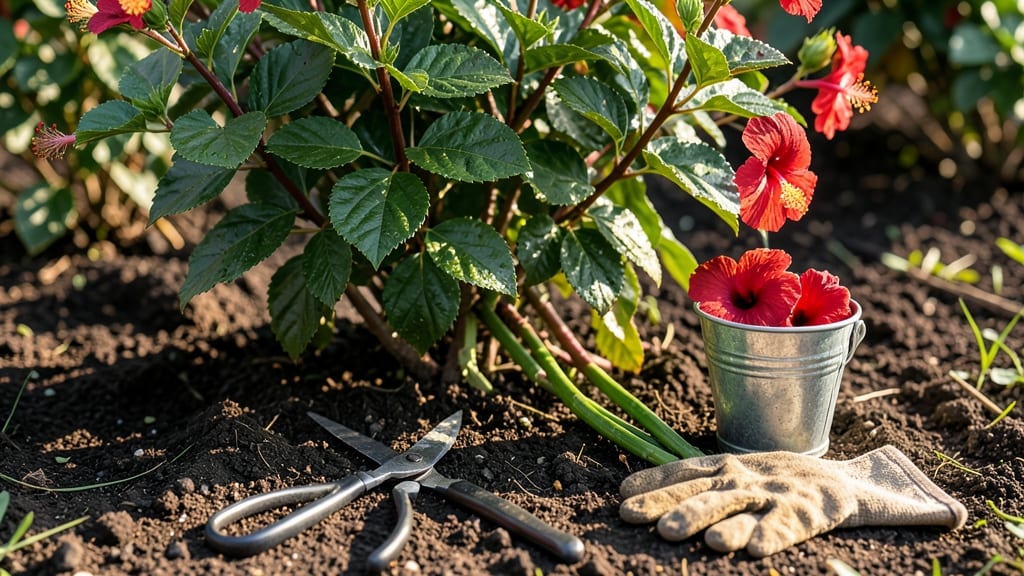
Harvesting hibiscus flowers at the wrong time can turn your stunning 🌸 hibiscus blooms into wilted messes before they even make it to your vase. The key to keeping them vibrant lies in knowing exactly when—and how—to pick them, whether you're saving them for tea, crafts, or fresh arrangements.
I’ve learned the hard way that timing matters more than you’d think—harvesting in the early morning gives you the freshest petals, while cutting too late in the day means sad, droopy stems by evening.
Plus, the right tools make all the difference in preserving those delicate blooms without damaging the plant.
From choosing the perfect fully open flower to using sharp pruners (not scissors!) and storing them properly, this guide covers everything you need for long-lasting hibiscus blooms.
Whether you’re a seasoned gardener or just starting, these tricks will help you get the most out of your harvest—no more wasted petals!
Ready to turn your hibiscus into showstopping arrangements, flavorful teas, or even dried crafts? Let’s dive into the best practices so you can enjoy your blooms for days, not hours.
Best time of day and season to harvest hibiscus flowers for maximum freshness
Timing is everything when harvesting hibiscus flowers. The morning hours—just after dew has dried but before the sun peaks—are ideal. This is when petals are fully hydrated and vibrant in color, ensuring the longest vase life or best flavor if using them edibly.
I always start my harvests between 6 AM and 9 AM for this reason.
Seasonal timing also matters. For tropical hibiscus varieties, like Hibiscus rosa-sinensis, the peak bloom period stretches from late spring through early fall (May to September in most USDA zones). Hardy hibiscus, such as Hibiscus moscheutos, bloom slightly later, often from mid-summer to early autumn (July to October).
Climate plays a role too. In hotter climates, hibiscus may bloom year-round, but flowers still reach their peak freshness in cooler mornings. If you’re in a cooler zone (USDA 6a or lower), harvest during the warmest months when blooms are most abundant and vibrant.
Look for these 4 key signs of a ready-to-harvest hibiscus flower:
- Fully unfurled petals (no tight buds)
- Bright, even color (no fading or browning)
- Firm, upright stem (not soft or wilted)
- Developed center (stamens fully visible)
🌺 Avoid harvesting flowers that are partially closed or show signs of pest damage. These won’t last long and may affect the flavor if you’re using them in teas or culinary dishes.
🌱 Top 4 Harvesting Times for Hibiscus Flowers
- Early Morning (6-9 AM): Petals are fully hydrated and vibrant—ideal for longest vase life.
- Cool Season Mornings: In hot climates, harvest before 10 AM to avoid wilting.
- Peak Bloom Season: May-September for tropical varieties; July-October for hardy types.
- Avoid Afternoon Heat: Flowers harvested post-noon wilt faster and lose color intensity.
If you’re harvesting for drying or crafts, timing shifts slightly. Flowers should still be fully open but can be harvested slightly later in the day (by 11 AM) since they won’t need vase water.
However, for culinary uses, always stick to morning harvests to preserve flavor and nutrients.
One pro tip I’ve learned: Harvest every 2-3 days during peak bloom to encourage continuous flowering. Over-harvesting can stress the plant, but a balanced approach keeps your hibiscus bush producing beautiful blooms all season.
For tropical hibiscus grown in containers, morning harvests also help prevent overheating of the soil. If your plant is in a pot without drainage, avoid harvesting on extremely hot days to prevent root stress.
💧 Seasonal Note: In humid climates, harvest slightly earlier (by 7 AM) to reduce mold risk on petals. Always shake off excess dew or rainwater before storing or using.
Finally, pay attention to your hibiscus’s bloom cycle. Some varieties, like the Hibiscus syriacus, bloom on old wood (last year’s growth), while others bloom on new growth. Pruning strategies can influence when and how many flowers are ready to harvest—more on that in the next section!
Essential tools and techniques for clean, damage-free hibiscus harvesting
Harvesting hibiscus flowers the right way ensures long-lasting blooms and keeps your plant healthy. Start with the right tools—sharp, clean pruning shears or bypass pruners work best. Avoid scissors, as they can crush stems and damage petal integrity.
For thorny varieties like Hibiscus rosa-sinensis, wear gardening gloves to protect your hands while maintaining a firm grip.
Before harvesting, sterilize your tools with rubbing alcohol or boiling water. This prevents spreading plant diseases or fungal infections. Always cut just above a leaf node at a 45-degree angle.
This encourages new growth and reduces water loss from the stem. For delicate petals, avoid pulling—never twist or yank the flower, as this tears tissue and shortens vase life.