
How To
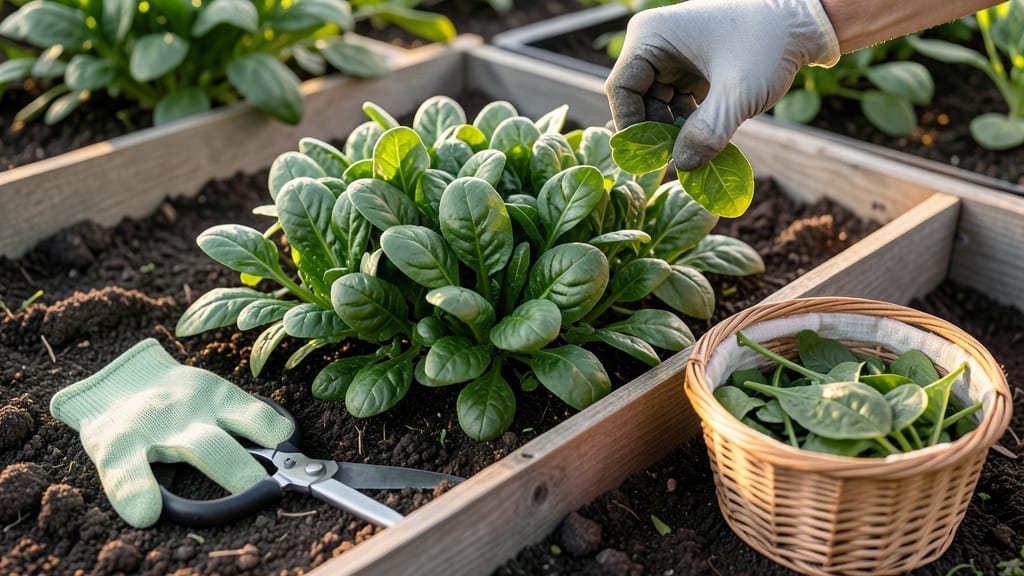
How to know when spinach is ready to harvest can mean the difference between a crisp, flavorful salad and a tough, bitter disappointment. Too many gardeners wait too long, sacrificing quality for quantity—or worse, harvest too early and stunt their plants' growth.
But here's the good news: with just a few simple visual cues and a little taste test know-how, you can master the perfect harvest timing every time.
We're talking leaf size, color, and texture clues that reveal when your spinach is at its peak, whether you're growing it in containers or a full garden bed.
I'll walk you through the foolproof methods I use to determine harvest readiness, including how to avoid common mistakes that ruin your spinach's quality. From spring plantings to fall harvests in zone 6a, these tips will help you get the most from your crop without overmaturity or underdevelopment.
Ready to transform your spinach harvest from guesswork to guaranteed success? Let's dive into the exact signs that tell you it's time to pick—before your plants tell you it's too late.
Visual harvest cues: leaf size, color, and growth stage for perfect spinach
Determining when your spinach is ready to harvest starts with observing three key visual cues: leaf size, color, and growth stage. Each of these signals tells you whether your plants are at their peak flavor and texture—or past it.
For example, flat-leaf varieties like 'Baby's Leaf' should have leaves reaching 3-4 inches, while savoy types like 'Giant Winter' can wait until leaves hit 5-6 inches.
Pay close attention to the leaf color, which shifts from pale green to a deep, vibrant green when spinach is ready. Yellowing edges or a dull hue signal stress, often from overmaturity or nutrient deficiency.
Meanwhile, crispness is your best friend—run your thumb along the leaf edge. If it feels tender and slightly papery, it’s time to harvest. If it’s tough or fibrous, you’ve waited too long.
Growth stage matters too. Baby spinach varieties (like 'Melting Snow') are ready in just 30-35 days, while mature types (like 'Tyee') need 45-60 days. Watch for fully unfurled leaves—tightly curled leaves mean the plant isn’t ready yet.
Pro tip: Harvest outer leaves first to encourage continuous production without bolting (flowering prematurely).
Environmental factors can throw off these cues. Cool spring temperatures (50-65°F) slow growth, so leaves may take longer to reach harvest size. Conversely, hot summer heat (above 80°F) causes spinach to bolt quickly, making it bitter and woody.
Adjust your expectations based on your USDA zone—spinach thrives in zones 2-11 but behaves differently in each.
| Spinach Type | Leaf Size | Color | Days to Harvest | Growth Stage |
|---|---|---|---|---|
| Baby Spinach (e.g., 'Melting Snow') | 2-3 inches | Bright green | 30-35 days | Fully unfurled |
| Flat-Leaf (e.g., 'Tyee') | 4-6 inches | Deep green | 45-60 days | Outer leaves mature |
| Savoy (e.g., 'Giant Winter') | 5-7 inches | Rich green | 50-65 days | Crisp, wrinkled leaves |
| Overmature Spinach | >6 inches | Yellowing or bitter | >60 days | Bitter, woody texture |
Don’t overlook the base of the plant. If you see flower stalks (bolting), your spinach is past its prime. Bolting happens when days get longer (especially in spring), so harvest aggressively before this occurs.
For container growers, check the root ball—if roots are crowded or circling, the plant may be stressed and less flavorful.
Seasonal variations play a huge role. In spring, spinach grows faster due to cooler temps, so leaves may reach harvest size in 30-40 days. In fall, growth slows as temps drop, extending the timeline to 50-60 days.
Always adjust your harvest schedule based on your local climate. For example, in Zone 5, aim for a May-June harvest in spring and an October-November harvest in fall.
One common mistake is assuming all spinach varieties mature at the same rate. Baby spinach is designed for quick harvests (as early as 25 days), while mature types need full growth cycles.
If you’re growing a mix, label your plants or harvest them in separate batches to avoid confusion. This ensures you’re always picking spinach at its peak tenderness and sweetness.
Use a hand lens or magnifying glass to inspect leaf
Visual harvest cues: leaf size, color, and growth stage for perfect spinach
Determining the perfect time to harvest spinach starts with observing three key visual cues: leaf size, color intensity, and growth stage. These signals tell you whether your spinach is peak tender or past its prime.
For example, baby spinach varieties like 'Baby's Leaf Hybrid' mature faster than savoy types, so timing varies slightly by type.
First, check the leaf size. Ideal harvest size for most spinach varieties is between 3 to 6 inches long. Leaves smaller than 3 inches are still too young for optimal flavor, while leaves exceeding 6 inches may start developing tough, fibrous textures.
Use a ruler or compare to a standard dinner plate—your leaves should be roughly the size of a golf ball when ready.
Next, focus on leaf color. Mature, harvest-ready spinach leaves should be a deep, vibrant green. If you notice yellowing at the edges or between veins, this signals nutrient deficiency or stress, often caused by overmaturity or inconsistent watering.
Savoy spinach, with its crinkled leaves, should maintain its rich green hue throughout the harvest window.
| Spinach Type | Leaf Size | Color | Growth Stage |
|---|---|---|---|
| Flat-Leaf (e.g., 'Tyee') | 4-6 inches | Dark green | 45-50 days |
| Savoy (e.g., 'Giant Winter') | 5-7 inches | Deep emerald | 50-60 days |
| Baby Leaf (e.g., 'Baby's Leaf Hybrid') | 2-4 inches | Bright green | 30-40 days |
Don't overlook the growth stage of your spinach. Most varieties reach harvest readiness between 30 to 60 days after sowing, depending on the type. For continuous harvests, focus on outer leaves first—these mature earlier than inner leaves.
This method allows the plant to keep producing while you enjoy a steady supply of fresh greens.
Watch for bolt-resistant varieties if you're growing in warm climates. Spinach tends to bolt (send up flower stalks) when days get longer, which happens earlier in spring and late summer. Varieties like 'Bloomsdale Long Standing' are bred to delay bolting, giving you a longer harvest window.
If your spinach starts sending up flower stalks, it's time to harvest immediately before the leaves become bitter.
Finally, consider the environmental conditions affecting your spinach. Cool temperatures (50-75°F) encourage slower, sweeter growth, while hot weather (>80°F) can cause spinach to bolt prematurely. If you're growing in containers, check the soil temperature—it should stay below 80°F for optimal flavor and texture.