
How To
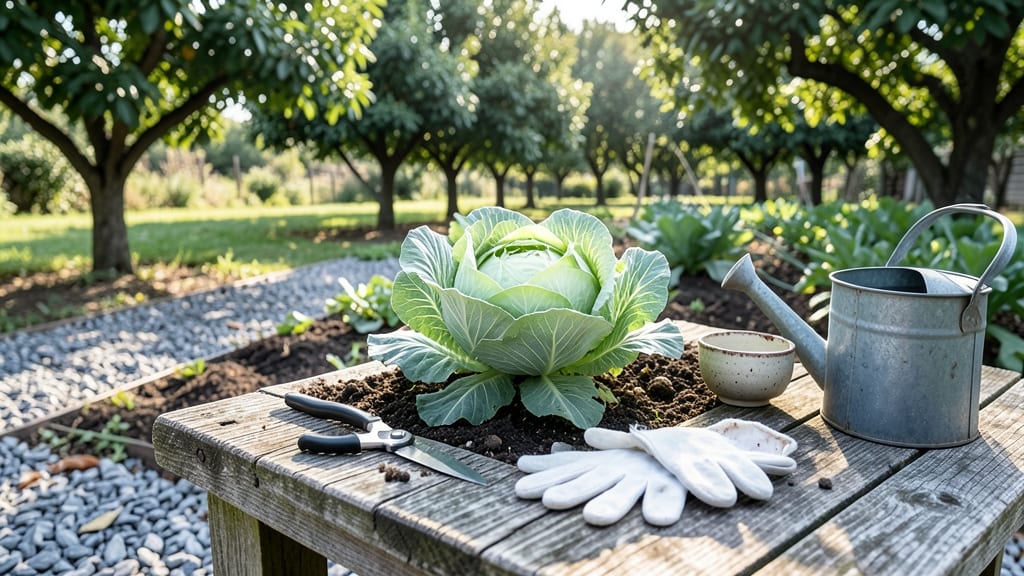
Step-by-step guide to harvesting iceberg lettuce without killing the plant
Harvesting iceberg lettuce the right way can extend your harvest season by 30-50%. The key is using the trim-and-regrow method, which involves cutting just the outer leaves while leaving the inner growth point intact. This encourages the plant to produce new leaves instead of bolting or dying.
Before you begin, gather your tools: a sharp chef's knife or pruning shears, gardening gloves, and a clean bowl for storing harvested leaves. Work in the early morning when the lettuce is crisp and hydrated, ensuring the best regrowth results.
Here’s how to do it step-by-step:
Select the outer leaves that are fully grown—typically 4-6 inches long. These are the most mature and won’t harm the plant if removed.
Use your sharp knife to cut the leaves just above the base, leaving at least 1 inch of stem attached to the inner head. Avoid cutting into the heart of the lettuce.
Never remove more than 1/3 of the plant at once. The inner leaves and growth point must stay undamaged to produce new shoots.
Place cut leaves in your clean bowl and store them in the fridge for up to 5-7 days. Rinse only before eating to preserve crispness.
After trimming, water the plant deeply to replenish moisture. Add a light mulch around the base to retain soil moisture and reduce stress.
Repeat this process every 7-10 days during the growing season. With proper care, a single iceberg lettuce plant can yield 3-5 harvests before bolting or slowing down.
If your lettuce starts to bolt (sending up a tall flower stalk), it’s a sign the plant is stressed or transitioning to seed production. To prevent this, harvest early and avoid overcrowding your plants.
Pro tip: Harvest in the morning when temperatures are cooler. This keeps the lettuce crisp and reduces the risk of bitterness or wilting.
🥬
When and how often to harvest iceberg lettuce for maximum regrowth
Timing your harvests is everything when it comes to keeping your iceberg lettuce productive. Unlike many leafy greens, iceberg thrives when you use a cut-and-come-again method—but only if you follow the right schedule.
Harvest too early or too often, and you’ll stunt regrowth. Wait too long, and you risk bolting or bitter flavors. The key is patience and precision.
For spring-planted iceberg lettuce, aim to harvest when the outer leaves reach 4-6 inches in length. This usually happens around 60-75 days after planting, depending on your climate. In fall plantings, you can extend harvests into cooler months when growth slows naturally.
The goal is to remove 1/3 of the plant at each harvest while leaving enough foliage to photosynthesize.
Environmental factors like temperature and sunlight play a huge role. Iceberg lettuce bolts (goes to seed) quickly in warm weather above 75°F, so harvest more aggressively in spring and fall when temps are mild.
In hot summers, reduce harvesting frequency to avoid stressing the plant. Morning harvests are ideal—cool, crisp leaves regrow best when cut early in the day.
Here’s how to balance harvests by season for continuous regrowth:
| Season | Harvest Frequency | Cutting Method | Post-Harvest Care |
|---|---|---|---|
| Spring | Every 10-14 days | Trim outer leaves, leave 1/3 | Water deeply, fertilize lightly |
| Summer | Every 3-4 weeks | Minimal cuts, avoid stress | Shade cloth, reduce watering |
| Fall | Every 7-10 days | Trim aggressively before frost | Mulch for cold protection |
Signs your iceberg lettuce is ready for another harvest include bright green, crisp leaves and a firm, compact head. If leaves feel soft or wilted, wait a few days—the plant may need more time to recover.
Overcrowded plants also signal it’s time to thin or harvest, as competition for nutrients slows regrowth. Pro tip: Use a sharp knife or pruners to make clean cuts just above the lowest set of leaves to prevent disease.
After harvesting, always water deeply and apply a light fertilizer (like 5-10-10) to replenish nutrients. Iceberg lettuce is heavy feeder, so don’t skip this step if you want multiple harvests. In hot climates, provide afternoon shade to prevent bolting, and avoid harvesting during peak heat.
With the right timing, you can enjoy continuous harvests for 6-8 weeks from a single planting!
🌱