
Vegetables
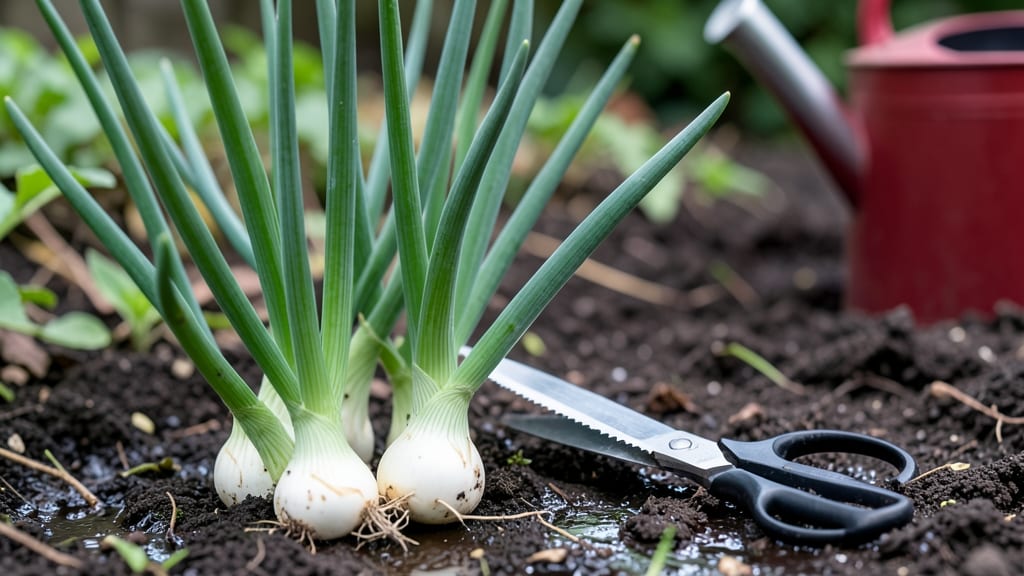
Cutting green onions to regrow saves money and extends your harvest. ✂️ I’ve revived the same bunch for months—here’s how to do it right without killing the roots in the process. The secret is simple: leave 1-2 inches of the base intact, including the roots.
Snip the green tops cleanly at the base, then rinse off any soil. You’ll get 3-4 more harvests from one plant if you do it right. After cutting, place the base in 1-2 inches of water in a shallow container.
Keep it in bright, indirect light—no direct sun—and change the water every 2-3 days. New shoots appear in 1-2 weeks. Avoid overcrowding the container and don’t let the base dry out.
With proper care, you’ll have fresh green onions ready to harvest again in just 3 minutes of work.
📚 In This Guide
- What you need
- Instructions
- Tips and common mistakes
- Wrapping up and next steps
What you need
- ● Fresh green onions (scallions): 1 bunch (about 6–10 stalks), preferably with roots still attached (or at least 1-inch root ends).
- ● Sharp knife or kitchen shears: 8-inch chef’s knife or small, clean scissors (for precision cuts).
- ● Cutting board: Any size (8x10 inches works great), preferably with a non-slip mat.
- ● Water: 1–2 cups for rinsing roots (room temperature or slightly warm).
- ● Container for regrowth: Small glass or jar (6–8 oz) or shallow dish (like a saucer) with drainage holes.
- ○ Optional but helpful: Paper towels (to blot excess moisture).
- ● Canning jar with lid (for long-term storage).
- ● Pencil or toothpick (to prop open jar lids for airflow).
- ● Organic compost or soil (if transplanting later).
Step-by-Step instructions for cutting green onions to regrow
Here's the quick, foolproof method I use to keep green onions growing for months.
💧 Step 1: Choose Healthy Green Onions with Roots
Pick green onions with firm white bases and intact roots—these are your regrowth stars. Avoid any with soft spots, mold, or roots that look dried out. I like to save the ones I buy in bunches because they always have the best root systems. Rinse them gently under cool water to remove any soil or debris from the roots.
Here's the thing—if the roots are tangled or broken, they won't regrow well. Gently separate any stuck roots with your fingers, but don't pull too hard. You want them to stay attached but spread out naturally. This ensures the onion can draw up moisture and nutrients efficiently once you replant it.
✂️ Step 2: Cut the Greens Just Above the Roots
Use a sharp knife or clean scissors to cut the green tops about 1 inch above the white base. This leaves enough of the bulb intact to store energy for regrowth. I always make a clean, straight cut—no jagged edges. If you cut too close to the roots, the onion may rot before it regrows.
Don't worry about the exact length of the green tops you're cutting off. You can use them immediately in recipes, and the onion will focus all its energy on growing new greens from the base. The key is leaving that 1-inch stump—it's the perfect balance between what you need now and what the plant needs to regrow.
🪴 Step 3: Replant the Roots in Water or Soil
Place the cut onion in a small container with about 1 inch of water or directly into a pot of moist soil. If using water, change it every 2-3 days to keep it fresh. You'll see new growth within 5-7 days if you've done everything right. I prefer water because it's easier to monitor, but soil works just as well.
Here's where it gets fun—watch the roots spread out as they absorb moisture. If you're using soil, keep it lightly moist but not soggy. Overwatering will cause the roots to rot before the greens have a chance to grow. Place your container in a spot with bright, indirect light—direct sun can scorch the new leaves as they emerge.
☀️ Step 4: Maintain Light and Moisture for Regrowth
Once new growth appears, move the container to a spot with 4-6 hours of sunlight daily. You'll notice the greens grow faster and stay a vibrant green color. If you're growing in water, top off the water level as needed—never let it go completely dry. In soil, water when the top inch feels dry to the touch.
Real talk: The first regrowth might be a little sparse, but don't give up. Keep the roots moist and in good light, and you'll get a full harvest in about 2-3 weeks. I've had green onions regrow up to three times this way, giving me fresh greens all season long without buying more.
⏰ Step 5: Harvest New Greens When Ready
When the new greens reach about 4-5 inches tall, they're ready to harvest again. Use the same cutting technique—slice just above the white base. You'll see new growth start within a few days. This time, the regrowth might be even faster because the plant has already proven it can recover.
Don't be tempted to cut too much at once. Leave at least 2 inches of green growth to keep the onion producing. If you harvest too aggressively, the plant will focus on rebuilding instead of growing new tops. With proper care, you can keep this cycle going for months, saving money and reducing waste.
Tips & tricks for perfect green onion regrowth
A few simple tricks will help you turn those scraps into a fresh herb garden in no time. Here's what I've learned from keeping my green onions growing for years.
Selection Tip: Look for green onions with roots that are white and firm, not dried out or shriveled. The roots should be about 1-2 inches long—this gives the plant enough energy to regrow. If you're buying in bulk, check the roots before purchasing. I always pick the ones with the thickest bases because they store more nutrients for regrowth.
The Cutting Technique: When you cut those green tops in Step 2, make sure your knife is sharp and clean. A dull knife crushes the onion instead of slicing cleanly, which can damage the base and prevent regrowth. I like to use kitchen scissors for this step—they give me more control. The 1-inch stump is crucial: any shorter and the onion may rot; any longer and it won't regrow efficiently.
Water vs. Soil Strategy: While I prefer water because it's easier to monitor, soil actually works better for long-term growth. If using soil, choose a well-draining potting mix and add a bit of compost for extra nutrients. The key is keeping the medium consistently moist—not soggy, not dry. I've found that soil-grown onions produce slightly more robust regrowth over multiple harvests compared to water.
Light Management: That 4-6 hours of sunlight daily is non-negotiable for vibrant growth. If you're growing near a window, rotate the container every few days so all sides get equal light. I notice the greens turn a dull green if they're not getting enough light—this is your plant's way of saying "feed me more sunlight!" For indoor growing, a simple LED grow light works wonders if natural light is limited.
Pro Tips for Cut Green Onions To Regrow
- A few simple tricks will help you turn those scraps into a fresh herb garden in no time. Here's what I've learned fro...
- Selection Tip: Look for green onions with roots that are white and firm, not dried out or shriveled. The roots should...
- The Cutting Technique: When you cut those green tops in Step 2, make sure your knife is sharp and clean. A dull knife...
Frequently asked questions
Got questions about regrowing green onions? You’re not alone!
Here are answers to the most common queries to help you master the regrowth process like a pro.
How often should I trim my green onions to regrow them?
Trim your green onions every 2–3 weeks to encourage regrowth. Avoid cutting more than 1–2 inches at a time—this keeps the plant healthy and prevents stress. Consistency is key! Just ensure the roots stay moist and the green tops get sunlight.
Can I regrow green onions from store-bought ones?
Yes! Store-bought green onions often have intact roots, making them perfect for regrowth. Just rinse off any rubber bands or plastic ties (common on bunches) and place them in water or soil. If the roots are wilted, soak them in water for 24 hours to revive them before replanting.
How long does it take for green onions to regrow after cutting?
With proper care, you’ll see new shoots in 1–2 weeks, and fully regrown onions in 4–6 weeks. Speed depends on light, water, and temperature. Place them in a sunny spot (6+ hours of light daily) and keep the soil or water consistently moist for best results.
What should I do if my green onion roots rot or turn mushy?
Root rot is usually caused by overwatering or poor drainage. If you spot mushy roots, trim the affected parts immediately and replant the healthy portion in fresh, well-draining soil or water. Let the roots dry for 10 minutes before replanting to prevent further rot.
Can I regrow green onions in water instead of soil?
Regrowing in water is easy and mess-free. Simply place the trimmed onion in a shallow container with 1–2 inches of water, ensuring the roots are submerged. Change the water every 2–3 days to prevent bacteria. Once roots grow 1–2 inches, transplant to soil for longer-term growth.
Wrapping up and next steps
Regrowing green onions from scraps is a simple, rewarding, and eco-friendly way to keep your kitchen stocked without extra cost! With just a few minutes and the right technique, you can turn what seems like waste into fresh, homegrown greens.
Give it a try—your future self (and wallet) will thank you!
Ready to take it further? Experiment with other regrowable veggies like lettuce or celery, or share your success with fellow gardeners online! 🌱