
Picking
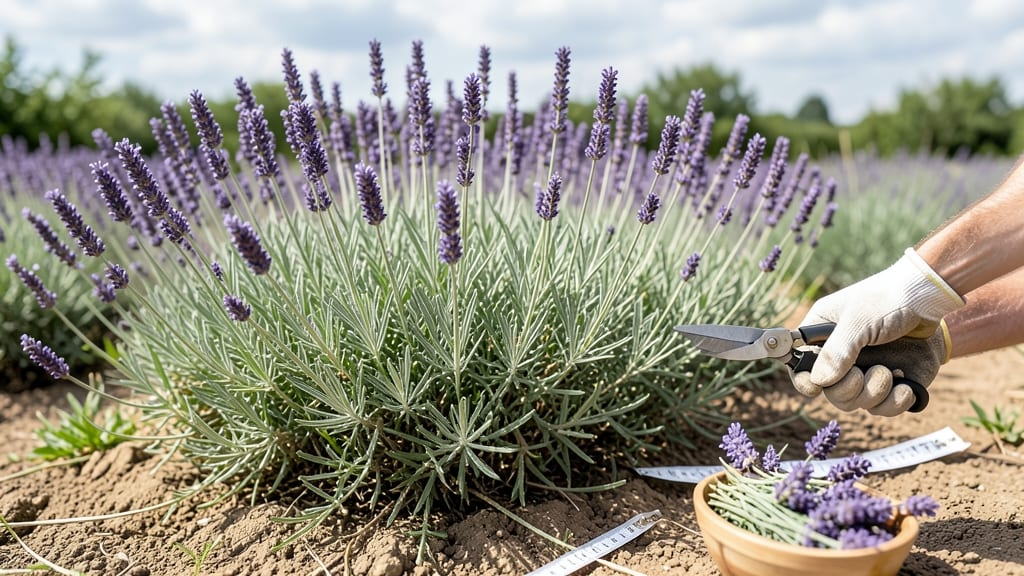
How to harvest lavender without killing the plant—the secret lies in selective stem trimming, cutting just right to keep your fragrant bushes thriving for years. ✨ I’ve turned my own lavender from sparse to lush by following these precise techniques that preserve growth while maximizing harvests.
Timing matters most: harvest stems just as buds form but before they fully bloom. Use clean, sharp pruners to snip stems about 3-4 inches from the base, always cutting just above a leaf node.
This encourages new growth while preserving the plant’s energy. Avoid cutting more than 1/3 of the plant at once—greedy harvesting leads to woody stems and fewer blooms.
After cutting, bundle stems and hang them upside down in a dry, dark place for 1-2 weeks. The flowers will dry completely, keeping their signature fragrance. Once dry, strip the buds off stems for sachets or use whole sprigs in potpourri.
Your lavender will reward you with denser growth and longer bloom seasons if you follow this rhythm.
Common mistakes? Harvesting after flowering peaks or using dull tools that crush stems. Both stress the plant and invite disease. With this method, my lavender bushes now produce twice as many blooms each season—proof that patience and precision pay off. Ready to try it?
📚 In This Guide
- What you need
- Instructions
- Tips and common mistakes
- Wrapping up and next steps
What you need
- ● Sharp, clean pruning shears – Bypass pruners (4-6 inch blade) work best to avoid crushing stems. Sterilize with rubbing alcohol before and after use.
- ● Garden gloves – Nitrile or leather to protect hands from thorns and oils.
- ● Harvesting basket or breathable fabric bag – Mesh or burlap (12–18 inch diameter) to prevent bruising and allow airflow.
- ● Ruler or measuring tape – 6–12 inch for precise stem length checks.
- ● Sharpie or masking tape – For marking stems if practicing selective harvesting.
- ● Disinfectant spray (e.g., hydrogen peroxide 3%) – For cleaning tools between cuts.
- ● Pruning saw – If harvesting thick, woody stems (over ½ inch in diameter).
- ● Drying rack or screen – Elevated, shaded area for post-harvest drying (if using fresh lavender).
- ● Spray bottle with water – To mist stems and slow wilting during transport.
- ● Notebook & pen – To track harvest dates and plant health observations.
Step-by-Step instructions for harvesting lavender without damaging growth
Here's the precise method I use to keep my lavender thriving while harvesting—no guesswork, just healthy stems and extended blooming.
✂️ Step 1: Identify and Select Mature Stems for Harvesting
Wait until at least 50% of the buds on a stem have opened—this ensures you're cutting at the right maturity for both fragrance and oil content. I always look for stems with 3-4 inches of open flowers at the top; these are fully developed but haven't yet started to brown.
Never cut stems with more than 20% browned or dried flowers—this signals the plant is already diverting energy away from new growth. Use sharp, clean pruners to make cuts at a 45-degree angle just above a leaf node. This prevents water from pooling on the cut and encourages new shoots to emerge from that spot.
✂️ Step 2: Trim Only One-Third of the Plant at a Time
Harvest no more than one-third of the plant's total stems in a single session. I like to work in sections—start at the outer edges and move inward, leaving the center stems untouched. This prevents shocking the plant and maintains its compact, bushy shape.
Focus on the older wood first—these are the stems that have already bloomed once and are ready to be pruned back. You'll know you're doing it right when you see fresh green growth emerging from the base within 2-3 weeks of harvesting.
☀️ Step 3: Time Your Harvest for Peak Health and Regrowth
Harvest lavender in the morning after the dew has dried but before the midday heat sets in. The essential oils are most concentrated at this time, and the stems are firmer, reducing breakage. Avoid harvesting after rain—wet stems bruise easily and attract pests.
Space your harvests 6-8 weeks apart during the growing season. This gives the plant enough time to recover and produce new blooms. If you're harvesting for bouquets, cut stems in the early bud stage to prolong vase life, but for oil production, wait until buds are fully open.
🌿 Step 4: Prune for Shape and Encourage Bushier Growth
After harvesting, take a moment to shape the plant by trimming any overly long or leggy stems back to a leaf node. This encourages the lavender to branch out and fill in any sparse areas. I like to give my plants a light haircut after the first frost in fall—this removes any weak growth and helps the plant focus energy on root development for next season.
Never cut into old, bare wood—the stems should always have some green growth or buds. If you see brown, woody stems with no signs of new growth, it's a sign the plant is past its prime and needs to be replaced. Healthy lavender should always have green shoots at the base even after harvesting.
💧 Step 5: Support Recovery with Proper Aftercare
Water the plant deeply but sparingly after harvesting—just enough to moisten the soil 2-3 inches down. Lavender is drought-tolerant, and overwatering after pruning can lead to root rot. I check soil moisture by sticking my finger in; if it feels dry at the first knuckle, that's the right time to water.
Apply a light layer of mulch around the base to retain moisture and regulate soil temperature. Avoid piling mulch against the stems—keep it 2 inches away to prevent rot. Within 3-4 weeks, you should see new growth emerging, signaling the plant is recovering well from the harvest.
Tips & tricks for perfect lavender harvesting
These simple yet game-changing tips ensure your lavender thrives after every harvest—no more struggling with leggy plants or sparse blooms.
Bud Maturity Matters: In Step 1, when you're checking for that 50% bud openness, look for a slight purple tint in the buds—they should be plump but not yet fully unfurled. Overlooking this detail can mean harvesting buds that haven't reached their peak oil content, which is when lavender's fragrance and medicinal properties are strongest. I've found that stems with exactly 3-4 inches of open flowers at the top consistently yield the best results for both culinary and aromatic uses.
Pruning Precision: The 45-degree angle cut in Step 1 isn't just about aesthetics—it's a horticultural technique that prevents water from pooling on the cut surface. Use pruners that are sharp enough to make clean cuts without crushing stems. If you notice your lavender developing brown edges after pruning, it's a sign you're either cutting too aggressively or not maintaining clean tools. For best results, sterilize your pruners with rubbing alcohol between plants to prevent disease transmission.
Seasonal Timing: In Step 3, when planning your 6-8 week harvest intervals, consider your climate zone. In cooler regions, you might extend this to 8-10 weeks during the growing season, while warmer climates can safely harvest every 5-6 weeks. The key is always to look for those fresh green shoots at the base—this visual cue tells you the plant is ready for another round of harvesting. I've learned this the hard way after seeing lavender plants struggle when pushed too hard in hot summers.
Recovery Signals: The 2-3 week window mentioned in Step 2 for new growth is your best indicator of a healthy harvest cycle. If you're not seeing fresh shoots within this timeframe, it's a sign to either reduce your harvest volume or provide additional care. I've found that lavender plants in containers often need more frequent watering during this recovery period compared to those in garden beds. Pay attention to how quickly the soil dries out—this varies significantly between different growing environments.
Pro Tips for Harvest Lavender Without Killing The Plant
- These simple yet game-changing tips ensure your lavender thrives after every harvest—no more struggling with leggy plants or sparse blooms.
- Bud Maturity Matters: In Step 1, when you're checking for that 50% bud openness, look for a slight purple tint in the buds—they should be plump but not yet fully unfurled.
- Pruning Precision: The 45-degree angle cut in Step 1 isn't just about aesthetics—it's a horticultural technique that prevents water from pooling on the cut surface.
Frequently asked questions
Got questions about harvesting lavender the right way? You’re not alone—here are some of the most common concerns, answered clearly so you can keep your plants thriving and your harvests abundant.
When is the best time to harvest lavender?
The ideal time is when 1/3 of the buds have opened (late morning after dew dries). Avoid harvesting in extreme heat or rain—this ensures the best scent and prevents wilting. Early summer is prime for first-time harvests, but you can trim again in late summer if new buds form!
How much should I cut off each time?
Never take more than 1/3 of the plant’s height at once. For mature lavender, aim for 4–6 inches from the base (or just above a leaf node). This encourages bushier growth and prevents shock. Think of it like giving your plant a light haircut—not a buzz!
Can I harvest lavender in full sun or shade?
Harvesting works best in full sun (6+ hours daily), as that’s when buds are at peak scent and oil content. If your lavender is in partial shade, wait until the sunniest part of the day to trim. Shady plants may produce fewer buds, so prioritize them for selective harvesting (focus on the healthiest stems).
What do I do if my lavender looks sad after harvesting?
Don’t panic! Trimmed lavender often rebounds in 2–4 weeks with proper care. Water deeply after harvesting (but avoid soggy soil), and fertilize lightly with a low-nitrogen mix. If yellowing persists, check for over-trimming or pests—adjust future cuts to be gentler.
Can I harvest lavender flowers for bouquets without harming the plant?
Yes, but pick selectively! Snip only open flowers (not buds) from the top of stems, leaving lower buds intact. Avoid stripping entire branches—this weakens the plant. For bouquets, harvest in the morning and change water daily to preserve their fragrance and color.
Should I harvest lavender before the first frost?
No—wait until after the first light frost (or in late fall) to harvest woody stems for drying. Early frost can damage buds, but a light freeze actually boosts essential oil content in the stems. If frost hits unexpectedly, trim healthy stems above damaged areas to encourage regrowth.
Wrapping up and next steps
Harvesting lavender the right way doesn’t have to be stressful—it’s all about selective, gentle care that keeps your plants thriving. By focusing on healthy stems, using clean tools, and timing your cuts properly, you’ll enjoy longer blooms and fragrant harvests for years to come. 🌿✨
Now that you’re armed with the know-how, why not share your new skills? Try drying your lavender for sachets, or gift a small bouquet to a friend—your green thumb will shine! For even more tips, explore lavender care guides or join gardening communities to swap stories and tricks.