
How To
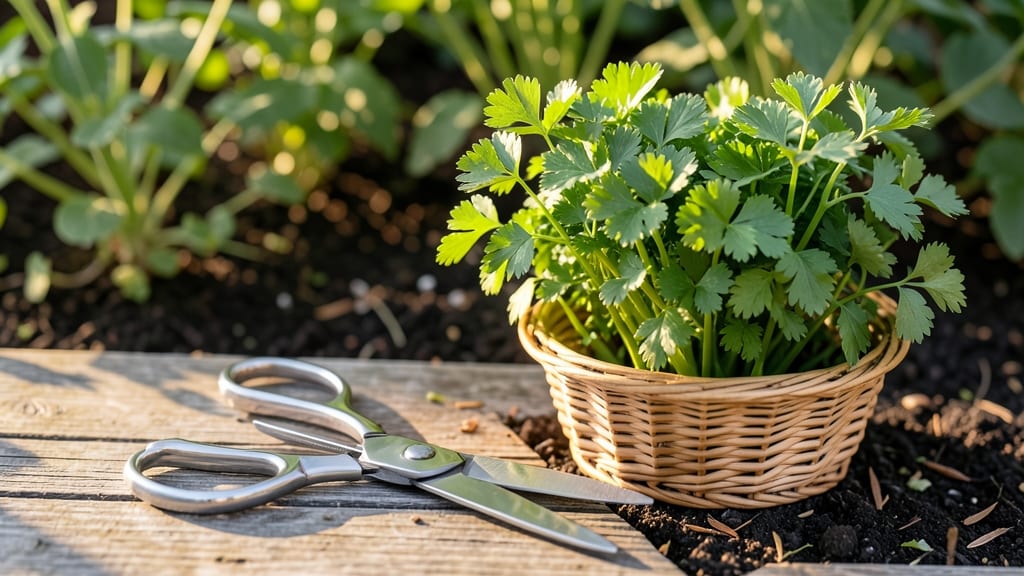
Harvesting parsley the right way is the secret to a never-ending supply of fresh, flavorful leaves all season long—but get it wrong, and you might end up with bitter stems or stunted growth instead.
Whether you're a beginner gardener or a seasoned green thumb, knowing when and how to cut parsley makes all the difference in keeping your plants thriving.
Timing is everything—wait too long, and your parsley will bolt, sending up those tall, flower-filled stalks that turn your herb into a bitter disappointment. The best time to harvest is when your 🌿 parsley reaches 6–8 inches tall, with leaves fully developed and vibrant.
This is when flavor peaks, and the plant has enough energy to bounce back with bushier regrowth.
You’ll also want to master the technique: cutting stems at the base (about an inch above the soil) encourages new shoots to sprout, while snipping individual leaves keeps the plant compact.
Avoid harvesting seed stalks if you’re after leafy regrowth, and always use clean, sharp scissors or pruners to prevent damage.
From spring to fall, parsley can be harvested multiple times, but understanding its biennial lifecycle helps you plan ahead. In this guide, I’ll walk you through the exact steps to harvest parsley for maximum yield, plus seasonal tips to keep your plants productive until the first frost. Let’s get growing!
When to harvest parsley for maximum regrowth and flavor
Timing your parsley harvest is everything—cut too early, and you’ll stunt growth; wait too long, and the flavor turns bitter. The best time to harvest parsley is when plants reach 6–8 inches tall with fully developed leaves.
This usually happens 60–75 days after sowing, depending on your climate and growing conditions.
For continuous regrowth, avoid harvesting more than one-third of the plant at once. Parsley is a biennial herb, meaning it forms leaves the first year and flowers the second.
If you let it bolt (send up seed stalks), the leaves become tough and lose flavor. Always harvest before flowering to keep your parsley productive.
Spring and early summer are ideal for leaf harvests, while fall harvesting (before the first frost) can yield a second flush of growth. In USDA Zone 6a, aim to harvest between June and October for the best results.
If you’re in a warmer zone, extend harvesting into late fall.
Watch for these signs of readiness:
- Bright green leaves (not yellow or pale)
- Firm, aromatic foliage when crushed
- Thick stems (about pencil-sized)
🌿 Key Harvest Timing Tips
- 📅 Spring Harvest: Start when plants hit 6 inches (usually April–May in Zone 6a).
- ☀️ Summer Maintenance: Harvest every 3–4 weeks to encourage bushier growth.
- 🍂 Fall Harvest: Cut back before frost (late September–October) for a second yield.
- ❄️ Winter Care: In cold climates, harvest all leaves before snow or mulch heavily to protect roots.
- 🚫 Avoid: Harvesting seed stalks—this kills the plant’s leaf production.
Harvesting at the wrong time can backfire. For example, cutting too close to the base removes the plant’s energy source, while harvesting only the outer leaves can leave bare stems.
Instead, use sharp scissors or pruners to snip stems 1–2 inches above the soil line—this stimulates new growth from the base.
If your parsley starts to bolt prematurely (sending up flower stalks), it’s a sign of stress—often from heat, drought, or overcrowding. To fix this, move plants to partial shade, water deeply, and thin them to 12–18 inches apart.
Once bolted, the leaves become bitter and woody, so harvest any usable foliage and compost the rest.
For flat-leaf parsley (the most common type), focus on leaf harvests. Curly parsley, while ornamental, is also edible—just harvest its leaves the same way.
Both types benefit from regular, light pruning to encourage dense growth. Think of it like trimming your hair: a little often keeps it lush!
Pro tip: Morning harvests yield the freshest parsley because leaves are fully hydrated after a night’s rest. Avoid harvesting in the evening or after rain, as damp leaves can develop fungal issues like rust or mildew. Always use clean tools to prevent disease spread.
Remember, parsley is a slow grower, so patience pays off. If you harvest too aggressively, the plant may stop producing leaves and focus on survival. Balance is key—aim to harvest no more than 20–30% of the plant at a time to keep it thriving all season.
Step-by-step parsley harvesting techniques for home gardeners
Harvesting parsley correctly ensures a bushier plant and longer harvest season. Start by selecting the right harvesting tools—sharp scissors or pruning shears work best to avoid crushing stems. Always cut just above a leaf node (where leaves meet the stem) to encourage new growth from that point.
For leaf-by-leaf harvesting, pinch off individual leaves from the outer edges. This method is ideal for small, frequent harvests and keeps the plant looking neat. If you prefer larger quantities, cut entire outer stems down to about 1-2 inches above the base.
Avoid cutting into the woody center, as this can harm the plant.
🌿
If your parsley develops flowering stalks, remove them immediately. These seed stems signal the end of the plant’s leafy growth cycle. Cut them back to the leafy crown to redirect energy back into leaf production.
In mild climates, parsley may regrow after flowering, but the leaves will be less flavorful.
For root parsley (like Hamburg parsley), you can harvest the entire plant by pulling it from the ground when the leaves are fully mature. However, this ends the plant’s life, so save this method for late fall or when you’re ready to replant.
Always leave a 1-inch root stub to encourage any remaining leaves to regrow.
After harvesting, rinse parsley gently under cool water to remove dirt, then pat dry with a paper towel. Store it in the fridge wrapped in a damp paper towel inside a plastic bag for up to 10 days.
For longer storage, consider freezing or drying—both methods preserve flavor while reducing waste.
✂️