
Size
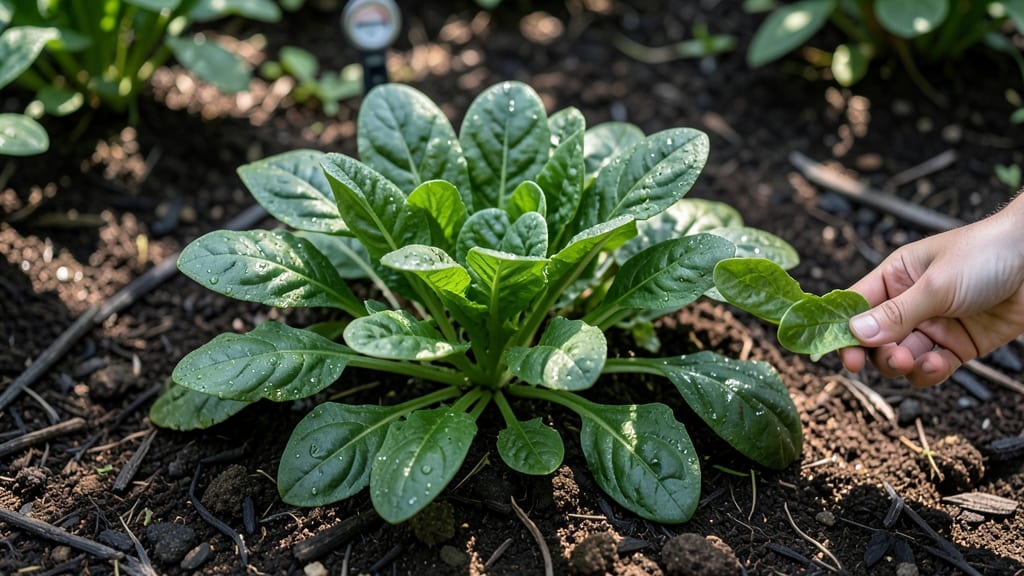
How to help spinach grow starts with understanding its love for cool weather—40-70°F is its sweet spot. 🌱 I learned this the hard way after bolting plants ruined my first harvest, but now I grow lush, tender leaves year-round with just a few adjustments to sunlight, soil, and timing.
The secret starts with soil: spinach craves rich, well-draining earth with a pH between 6.5 and 7.0. Mix in 2-3 inches of compost before planting, and avoid fresh manure—it burns delicate roots. For containers, use a lightweight potting mix with added perlite to prevent soggy soil.
Consistent moisture is key—never let the soil dry out, but avoid waterlogging. Mulch with straw to retain moisture and keep roots cool. With proper care, you'll harvest 3-4 weeks after sowing, with baby leaves ready in just 21 days if you succession plant every two weeks.
This method works for both outdoor beds and sunny windowsills. The biggest mistake? Overcrowding—space plants 4-6 inches apart to prevent disease. Now let's get those seeds in the ground!
📚 In This Guide
- What you need
- Instructions
- Tips and common mistakes
- Wrapping up and next steps
What you need
- ● Spinach seeds: Choose cold-hardy varieties like Baby’s Leaf Hybrid or Bloomsdale Long Standing (1–2 oz per 10 sq ft).
- ● Growing containers or garden bed: Containers: 6–12" deep with drainage holes (1–2 plants per 1 sq ft).
- ● Garden beds: Well-draining soil, 6–12" deep, in partial shade.
- ● High-quality potting mix or garden soil: Rich in organic matter (avoid heavy clay).
- ● Compost or balanced fertilizer (5-10-10): 1–2 cups per 10 sq ft to boost nutrients.
- ● Watering can or hose with a gentle spray nozzle.
- ● Hand trowel for transplanting seedlings.
- ● Row cover or shade cloth (30–50% shade) for hot climates.
- ● Organic mulch (straw or grass clippings) to retain moisture.
- ● pH test kit (ideal soil pH: 6.5–7.0).
How to help spinach thrive: sunlight, soil, and spacing secrets
Spinach is one of those plants that rewards patience—get these three factors right, and you'll harvest tender, nutrient-packed leaves all season long.
☀️ Step 1: Position for Optimal Light Balance
Spinach thrives in partial shade—3-5 hours of morning sun followed by afternoon shade prevents bolting (the bitter flowering stage). A north-facing window or dappled shade under fruit trees creates ideal conditions. If growing outdoors, avoid full sun in hot climates, which causes leaves to turn bitter within days.
Watch for yellowing between leaf veins—this signals too much direct sun. In containers, rotate pots quarter-turn weekly so all sides receive even light. I've found that morning light only works best for summer plantings, while cooler spring/fall allows more afternoon exposure.
🌱 Step 2: Prepare Soil for Maximum Nutrient Uptake
Spinach demands rich, well-draining soil with a pH between 6.5-7.0. Work 2-3 inches of compost into the top 6 inches of soil before planting—this prevents nutrient deficiencies that cause yellowing leaves. I mix in a handful of aged manure (like cow or chicken) for extra nitrogen without burning tender roots.
Test your soil's moisture retention by squeezing a handful—it should hold together but not drip water. Sandy soil? Amend with 1 inch of peat moss per square foot. Clay-heavy? Add 1 part perlite to 3 parts soil. The goal is soil that stays evenly moist but never soggy, as spinach roots rot quickly in waterlogged conditions.
🪴 Step 3: Space Plants for Airflow and Growth
Plant seeds ½ inch deep and 2-3 inches apart in rows spaced 12-18 inches apart. Crowding leads to powdery mildew and stunted growth—you'll see leaves touching neighbors within weeks. For baby leaf harvests, thin seedlings to 4 inches apart when they reach 2 inches tall, using clean scissors to avoid damaging roots.
If growing in containers, use one plant per 6-inch pot—spinach has shallow roots but needs room to spread. I always plant two varieties (like 'Baby's Leaf Hybrid' and 'Tyee') to extend harvest times. Watch for leaves touching pot edges—this means it's time to transplant or harvest immediately to prevent stress.
💧 Step 4: Water Strategically for Leafy Growth
Keep soil consistently moist—spinach wilts dramatically when thirsty but recovers quickly when watered. Aim for 1 inch of water weekly, delivered at soil level (not overhead) to prevent fungal diseases. I use a soaker hose for garden beds and water containers until ½ inch of water drains from the bottom—this ensures roots stay hydrated without drowning.
Morning watering is key—wet leaves left overnight invite downy mildew. You'll know your watering is perfect when outer leaves stay crisp but inner leaves remain tender. Mulch with 1 inch of straw to reduce evaporation and keep roots cool, especially in hot afternoons.
✂️ Step 5: Harvest and Maintain for Continuous Production
Harvest outer leaves first when they reach 4-6 inches tall, cutting just above the next set of leaves. This encourages continuous regrowth for 4-6 weeks per planting. For baby leaves, harvest when plants are 3-4 inches tall—they're sweeter and more tender than mature leaves.
Fertilize lightly every 3-4 weeks with fish emulsion (diluted to half-strength) to replenish nitrogen. Watch for yellowing lower leaves—this is normal as plants mature, but new leaves turning yellow signals nitrogen deficiency. I've found that side-dressing with compost tea mid-season gives spinach that extra boost for late harvests.
Tips & tricks for growing lush spinach
Spinach might seem straightforward, but these small details make all the difference between a handful of bitter leaves and a thriving, leafy harvest.
Light Management: The 3-5 hours of morning sun in Step 1 is non-negotiable for preventing bolting, but here's the trick: if you notice leaves curling upward during the day, they're signaling heat stress. In hot climates, provide afternoon shade with sheer curtains or shade cloth—even 30% shade reduction can prevent bitter flavors. I've seen spinach bolt in just 48 hours when exposed to full afternoon sun, so don't wait until you see yellowing to act.
Soil Science: That 6.5-7.0 pH range in Step 2 isn't just a suggestion—spinach struggles to absorb nutrients outside this window. Test your soil first! If your soil is naturally acidic, work in crushed eggshells (they're alkaline) or dolomitic lime before planting. For containers, use a mix of 60% potting soil and 40% compost—the extra organic matter helps maintain that perfect moisture balance without waterlogging.
Spacing Strategy: The 2-3 inch spacing in Step 3 might seem generous, but trust me on this: crowded spinach develops powdery mildew within 10 days. For baby leaf harvests, thin to 4 inches when seedlings hit 2 inches tall—this might seem counterintuitive, but it actually encourages faster growth of the remaining plants. I've found that using a small hand trowel to carefully lift seedlings (rather than pulling) prevents root damage and gives you healthier transplants.
Harvest Timing: Those 4-6 week harvest windows in Step 5 can stretch to 8 weeks with proper care. Here's how: harvest every 7-10 days rather than waiting for full maturity. The key is cutting just above the next set of leaves—this leaves enough growing point to produce more leaves. For continuous production, succession plant every 2 weeks: sow a new batch when your first planting reaches 3 inches tall.
Pro Tips for Help Spinach Grow
- Spinach might seem straightforward, but these small details make all the difference between a handful of bitter leaves and a thriving, leafy harvest.
- Light Management: The 3-5 hours of morning sun in Step 1 is non-negotiable for preventing bolting, but here's the trick: if you notice leaves curling upward during the day, they're signaling heat stress.
- Soil Science: That 6.5-7.0 pH range in Step 2 isn't just a suggestion—spinach struggles to absorb nutrients outside this window.
Frequently asked questions
Got questions about growing spinach? You’re not alone! Here are answers to the most common concerns—from timing to troubleshooting—to help you grow a thriving, leafy harvest.
How long does it take for spinach to grow?
Most spinach varieties take 30 to 50 days to reach maturity, depending on the type (baby leaf, savoy, or flat-leaf). Baby spinach can be harvested in as little as 4-6 weeks, while mature leaves may take closer to 8 weeks. Check seed packets for specific timelines—patience pays off with tender, nutrient-packed greens!
Can spinach grow in cold weather?
Spinach is a cool-season crop and thrives in temperatures between 45°F and 75°F. It can even survive light frosts, making it perfect for early spring or fall planting. Avoid planting in extreme heat (above 80°F), as it’ll bolt (go to seed) prematurely. Embrace those crisp mornings for the best flavor!
What’s the best way to space spinach plants?
For optimal growth, space spinach plants 4-6 inches apart in rows that are 12-18 inches apart. If growing in containers, leave 3-4 inches between plants. Proper spacing prevents overcrowding, reduces disease risk, and ensures each leaf gets enough sunlight and nutrients. Think of it as giving your spinach a little room to stretch!
Why is my spinach turning yellow or wilted?
Yellowing leaves often signal overwatering, nutrient deficiency (like nitrogen), or pests (e.g., aphids or slugs). Wilting can mean underwatering or root stress. Check the soil moisture—it should stay consistently damp but not soggy. If pests are the culprit, handpick them or use organic sprays like neem oil. A little detective work goes a long way!
Can I grow spinach indoors without sunlight?
Yes! Use a grow light (LED or fluorescent) for 12-16 hours daily to mimic sunlight. Place trays on a sunny windowsill for supplemental light, but avoid direct heat. Spinach grows well in containers with well-draining soil. Just keep the environment cool (60-70°F) and monitor humidity—indoor spinach is totally doable with the right setup!
Wrapping up and next steps
Growing lush, healthy spinach is all about patience, proper care, and a little green thumb love! 🌱 By mastering sunlight, soil, and spacing—plus a few pro tips—you’ll soon be harvesting vibrant leaves for delicious, nutrient-packed meals.
Remember, even the best gardeners started with a single seed, so don’t hesitate to experiment and learn along the way.
Ready to level up your harvest? Start by planting your next batch of spinach today, and soon, you’ll be sharing your leafy bounty with friends or savoring homegrown salads year-round. Happy growing! 🌿