
Size
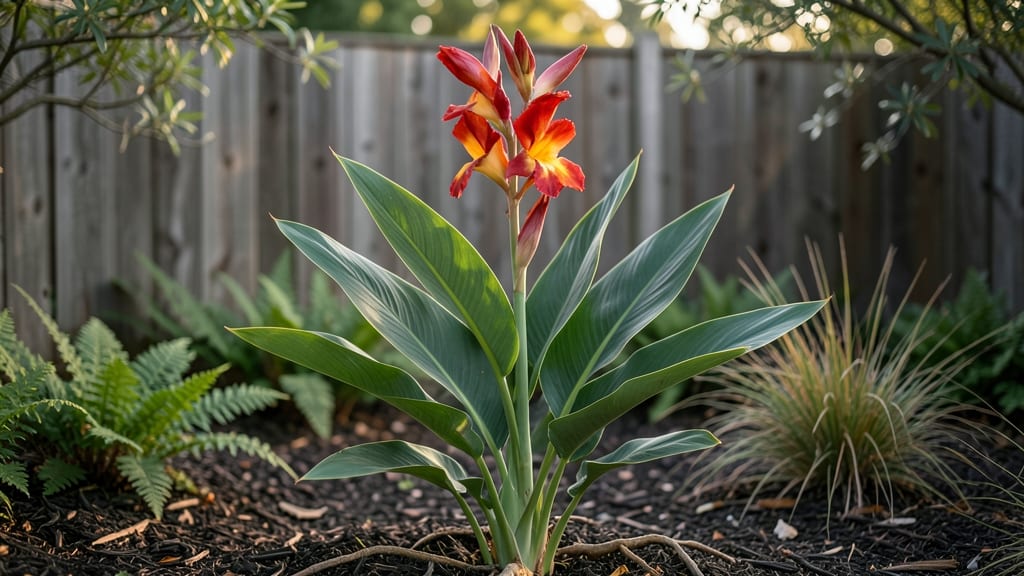
Your garden just got a tropical upgrade with cannas—here’s how to grow these bold, banana-leaf plants. 🌿 These heat-loving, humidity-thriving showstoppers turn any space into a lush, vibrant paradise—even for beginners. The secret to their success? Layered soil that drains fast but holds moisture.
Mix equal parts garden soil, compost, and coarse sand or perlite. Plant rhizomes shallowly (just below soil level) in spring after frost, spacing them 18-24 inches apart. They’ll reward you with foot-tall blooms by summer.
Water deeply once a week (more in extreme heat), and fertilize monthly with a balanced 10-10-10 mix. Mulch with straw to keep roots cool and prevent weeds. Yellowing leaves? Too much shade or overwatering—move them to sunnier spots. Perfect for borders, containers, or as dramatic focal points.
Once established, cannas multiply like crazy, giving you free plants to share. Let’s get those rhizomes in the ground!
📚 In This Guide
- What you need
- Instructions
- Tips and common mistakes
- Wrapping up and next steps
What you need
- ● Canna rhizomes: 3–5 healthy, plump rhizomes (choose varieties like 'Striped', 'Tropicanna', or 'Pretoria' for vibrant blooms).
- ● Well-draining potting mix: 5–10 gallons (depending on container size). Use a blend of 50% garden soil, 30% compost, and 20% perlite or sand.
- ○ Containers (optional for pots): Large pots (12–18 inches deep) with drainage holes or a raised bed (minimum 12 inches deep).
- ● Slow-release fertilizer: 1–2 cups of 10-10-10 or organic fertilizer (like bone meal) per 5 gallons of soil.
- ● Watering can or hose: With a gentle spray nozzle for hydration.
- ○ Mulch (optional but helpful): 2–3 inches of straw or shredded leaves to retain moisture.
- ● Garden trowel or shovel: For planting rhizomes 2–3 inches deep.
- ● Pruning shears: To trim dead foliage or divide rhizomes (if needed).
- ○ Gloves (optional): To protect hands from sharp rhizome edges.
- ○ pH testing kit (optional): To ensure soil pH is 6.0–7.5 (cannas thrive in slightly acidic to neutral soil).
- ● 🌡️ Sunlight: Full sun (6+ hours daily) for optimal blooms—partial shade works in hot climates.
- ● ✨ Hardiness: Cannas are tender perennials (USDA Zones 8–11). In colder zones, dig up rhizomes in fall and store indoors.
- ● 💧 Watering: Keep soil consistently moist but not soggy (drought-tolerant once established!).
Step-by-Step instructions for planting canna lilies
Here's how I grow cannas with bold, long-lasting blooms—no special tricks, just layered soil and patience.
🌱 Step 1: Choose and Prepare the Right Location
Cannas thrive in full sun to partial shade, with at least 6 hours of direct sunlight daily. I plant mine in a spot where they’ll get morning sun and afternoon shade if summers run hot—this prevents the leaves from scorching while still fueling those dramatic blooms. Avoid low-lying areas where cold air pools, as cannas are tender perennials in most climates.
Loosen the soil to a depth of 12 inches with a garden fork or tiller. Cannas love rich, well-draining soil, so if your native soil is heavy clay, mix in 2-3 inches of compost or aged manure. The goal is soil that holds moisture but doesn’t stay soggy—canna roots rot quickly in waterlogged conditions. Test the soil by squeezing a handful: it should crumble easily when dry but hold together when damp.
🪴 Step 2: Plant Rhizomes at the Correct Depth and Spacing
Plant canna rhizomes 2-3 inches deep, with the eyes (growth points) facing upward. I space mine 12-18 inches apart in rows 24 inches apart to allow for their broad, tropical foliage. If you’re planting in containers, use pots at least 12 inches deep and wide—cannas need room for their thick roots to spread.
Cover the rhizome lightly with soil, then water deeply to settle it in. The first few weeks are critical: keep the soil consistently moist but not soggy. You’ll see new shoots emerge in 2-4 weeks, and that’s your signal everything’s working. If the soil feels dry 1 inch below the surface, it’s time to water again—cannas wilt fast when thirsty, but they bounce back quickly once rehydrated.
☀️ Step 3: Feed and Water for Maximum Growth
Once shoots reach 6 inches tall, feed with a balanced, water-soluble fertilizer (like 10-10-10) diluted to half strength. I apply it every 4-6 weeks during the growing season to encourage lush foliage and abundant blooms. Cannas are heavy feeders, so don’t skimp—think of it like giving them a tropical vacation in your garden.
Water deeply 1-2 times per week, depending on rainfall. The key is to soak the soil 12 inches down each time, mimicking natural tropical rainfall. Let the top 2 inches of soil dry out between waterings to prevent fungal issues. You’ll know you’re nailing it when the leaves stay vibrant green and the stems feel sturdy when you gently squeeze them.
✂️ Step 4: Deadhead and Support for Longer Blooms
Pinch off spent blooms as they fade to redirect the plant’s energy into new flowers. I also remove any yellow or damaged leaves to keep the plant looking its best and prevent disease. Cannas are forgiving, but a little maintenance goes a long way—your neighbors will be jealous of those 3-foot-tall flower stalks if you keep them tidy.
If your cannas are top-heavy with blooms, especially in windy areas, consider staking them with bamboo stakes or a small trellis. Tie the stems loosely with soft plant ties or old pantyhose—just enough to keep them upright without restricting growth. The goal is to let them sway naturally while preventing flopping.
⏰ Step 5: Overwintering for Year-Round Growth
Before the first frost, cut back the foliage to 2 inches above the rhizomes. Dig up the rhizomes carefully, shake off excess soil, and let them dry in a shady, well-ventilated spot for 1-2 weeks. Store them in a cool, dark place (like a garage) with 50-60% humidity—I keep mine in a cardboard box with a sprinkle of peat moss to prevent drying out.
In spring, replant the rhizomes 2-4 weeks before your last frost date. They’ll sprout quickly, and with proper care, you’ll have bold blooms by early summer. The secret to year-round cannas? Treat them like the tropical divas they are—give them sun, rich soil, and a little pampering, and they’ll reward you with stunning, long-lasting flowers every season.
Tips & tricks for growing canna lilies
Layered soil isn't just about the recipe—it's about creating the perfect environment for those vibrant blooms to thrive.
Sunlight Strategy: While cannas need at least 6 hours of sunlight daily, I’ve found that morning sun with afternoon shade works best in hot climates. If your garden gets intense afternoon heat, consider planting near a building or tall plants that provide natural shade after noon. This protects the leaves from scorching while still giving them enough light to bloom beautifully.
Soil Layering Secret: For the 12-inch soil prep in Step 1, I always create three distinct layers: the top 4 inches with compost for nutrients, the middle 4 inches with native soil for stability, and the bottom 4 inches with sand or perlite for drainage. This mimics their natural tropical habitat and prevents waterlogging. Think of it like building a cake—each layer has a purpose!
Planting Depth Caution: Those 2-3 inches for rhizome depth might seem shallow, but it's crucial. Burying them deeper risks rot, while planting too shallow can expose them to temperature swings. I like to mound soil around them slightly to create a natural basin that holds moisture without drowning the roots. A quick test: if you can see the top of a rhizome after planting, it’s too shallow.
Overwintering Hack: When storing rhizomes at 50-60°F in Step 5, I place a small fan nearby on low setting to keep air circulating. This prevents mold from forming in the storage box. Also, label each box with the variety name and planting date—next year’s you won’t have to guess which one was your prize-winning red!
Pro Tips for Cannas How To Grow
- Layered soil isn't just about the recipe—it's about creating the perfect environment for those vibrant blooms to thrive.
- Sunlight Strategy: While cannas need at least 6 hours of sunlight daily, I’ve found that morning sun with afternoon shade works best in hot climates.
- This mimics their natural tropical habitat and prevents waterlogging.
Frequently asked questions
Got questions about growing canna lilies? You’re not alone! Here are answers to the most common concerns—from planting to troubleshooting—to help you cultivate stunning, long-lasting blooms with ease.
How deep should I plant canna rhizomes?
Plant canna rhizomes just below the soil surface—about 2–3 inches deep—with the growing tip facing upward. Too deep? They’ll rot. Too shallow? They may dry out. Cover lightly with soil and water gently to settle the roots.
When is the best time to plant cannas?
Wait until after the last frost (spring) when soil temps hit at least 60°F (15°C). In warm climates, you can plant as early as late winter. Cannas thrive in heat but cannot tolerate frost—always dig them up before winter in colder zones!
How often should I water canna lilies?
Keep soil consistently moist but not soggy. Water deeply 2–3 times per week (more in extreme heat or sandy soil). Yellowing leaves? You’re likely overwatering. Drooping foliage? Time to hydrate! Mulch helps retain moisture.
What pests or diseases should I watch for?
Common issues include aphids, slugs, and fungal diseases (like rust or root rot). Prevent pests with neem oil or diatomaceous earth. For diseases, improve drainage and avoid overhead watering. Remove damaged leaves promptly to stop spread.
Can I grow cannas in containers?
Use a large pot (at least 12–18 inches wide) with drainage holes and a well-draining potting mix. Choose a container that’s heavy enough to prevent tipping in wind. Move pots indoors or to a garage before frost.
Do cannas come back every year in cold climates?
No—cannas are tender perennials and die back in frost. Dig up rhizomes in fall, trim foliage, and store them in a cool, dry place (like a basement) until spring. Replant after the last frost for a fresh display!
Wrapping up and next steps
Growing canna lilies is a rewarding journey that brings vibrant, tropical beauty to your garden—even through cooler months! With the right layered soil mix, sunlight, and a little patience, you’ll enjoy lush foliage and stunning blooms year after year. 🌸
Now that you’re armed with the secrets to success, why not take the next step? Experiment with different soil layers, try growing cannas in containers, or share your progress with fellow gardening enthusiasts. Happy planting—your garden’s boldest statement awaits! 🌱