
Aphids
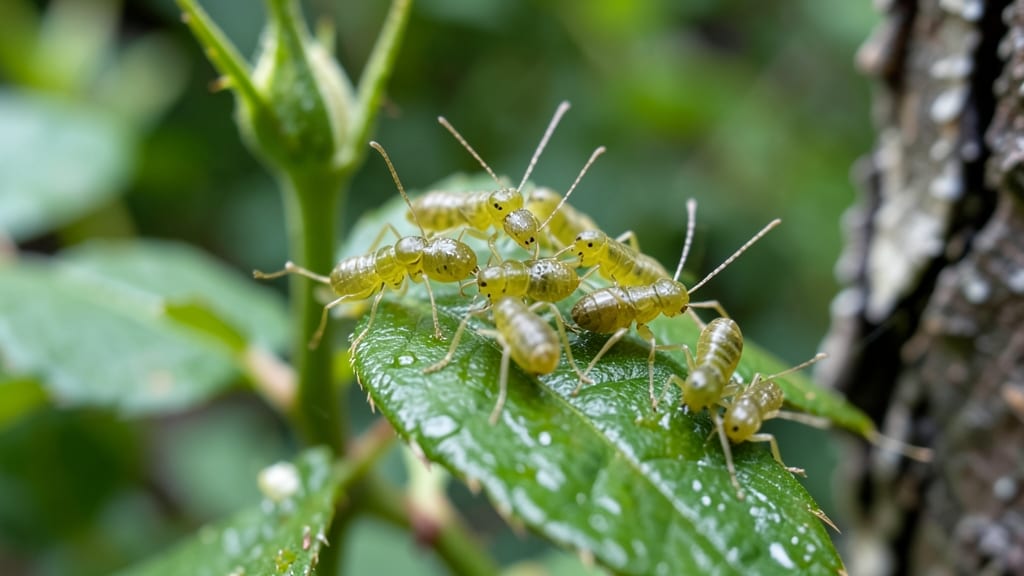
Identifying aphids on plants saves your garden from disaster. 🌱 These tiny green or black bugs cluster on new growth, sucking sap and leaving behind a sticky mess that attracts ants and sooty mold.
I've seen them turn thriving tomato plants into sad, curled husks in just a few days—don't let that happen to your garden.
The first clue is usually sticky residue on leaves, called honeydew. Then look for small, oval-shaped bugs (about 1/16-inch long) grouped together like a tiny green army.
They come in colors from bright green to black, depending on the species. Greenfly on roses? That's an aphid. Black ones on your basil? Still an aphid.
What you'll learn here is how to spot these pests early—before they ruin your harvest. You'll recognize the signs: curled leaves, stunted growth, and those telltale sticky trails. The sooner you identify them, the easier they are to control without harsh chemicals.
This works for backyard gardens, container plants, and even houseplants. Once you know what to look for, you'll catch infestations before they spread. Let's get those pests identified so you can protect your plants the right way.
Root Causes Of Aphid Infestations
Aphids don’t just appear out of nowhere—they’re drawn to plants like a buffet, thanks to a mix of environmental, biological, and even human factors. Understanding why these tiny pests target your garden helps you prevent them before they strike. Let’s break down the science behind their behavior.
Aphids thrive where plants are stressed, making them an easy meal. When plants lack nutrients, water, or sunlight, their natural defenses—like sticky resin or bitter-tasting compounds—weaken. Aphids detect these vulnerabilities using their antennae, which sense chemical cues signaling poor plant health.
- Nutrient Deficiency: Plants low in nitrogen or phosphorus produce softer, more tender leaves—aphid favorites. Think of it like a buffet: aphids go where the food is easiest to digest.
- Overwatering or Drought: Both extremes stress plants. Overwatering rots roots, while drought causes wilting, making plants desperate for resources and aphids desperate to feed on them.
- Poor Soil Health: Compacted or nutrient-poor soil limits root growth, weakening the plant’s ability to fend off pests. Aphids love plants that can’t fight back.
💡 Pro Tip: Regularly test your soil’s pH and nutrient levels. Aim for a balanced _NPK_ (nitrogen, phosphorus, potassium) ratio—aphids hate a well-fed plant!
Aphids are opportunistic feeders, but some plants are magnets for them due to their sap-rich leaves, tender growth, or even scent. Here’s what makes your garden a five-star aphid hotel:
| Plant Type | Why Aphids Target It |
|---|---|
| New Growth | Young leaves and stems are softer and packed with sugary sap, aphids’ favorite snack. They prefer terminal buds (the tips of branches) because they’re the most nutrient-dense. |
| Succulent Plants | Plants like roses, basil, and squash have thick, juicy leaves that aphids can pierce easily. Their high water content makes them ideal for rapid feeding. |
| Weakened or Damaged Plants | Aphids detect plants already under attack (e.g., by spider mites or fungal diseases). Damaged tissue releases volatile organic compounds (VOCs), which signal “easy prey” to aphids. |
🎯 Actionable Fix: Prune old, yellowing leaves regularly and avoid over-fertilizing with nitrogen—it encourages soft, aphid-loving growth.
Aphids aren’t lone wolves—they’re part of a complex ecosystem. Some insects help them spread, while others control their populations. Here’s how:
- Ants as Bodyguards: 🐜 Ants farm aphids, protecting them from predators in exchange for their honeydew (aphid poop, which ants love). If you see ants tending to aphids, it’s a red flag—they’re encouraging the infestation.
- Wind and Water Spread: Aphids can’t fly far, but wind and rain carry them to new plants. Once they land, they reproduce rapidly (asexually, in some cases), creating colonies in days.
- Natural Predators Disrupted: Birds, ladybugs, and lacewings eat aphids, but if you use broad-spectrum pesticides, you might kill these helpers along with the pests.
🔥 Key Insight: Aphid outbreaks often spike after warm, dry springs—ideal conditions for their reproduction. If your area has mild winters, aphids may survive and multiply faster.
Now that you know why aphids show up uninvited, the next step is stopping them in their tracks. Stay tuned for actionable prevention tips—because the best defense is a healthy, resilient garden!
How to Fix Aphid Infestations Fast
Once you’ve spotted those pesky aphids wreaking havoc on your plants, it’s time to act! The good news? There are effective, natural, and chemical-free ways to tackle them—without harming your garden or wallet.
Below, we’ve mapped common causes to practical fixes, plus prevention tips to keep aphids from crashing your next harvest.
Aphids love stressed plants—think young shoots, overwatered roots, or nutrient-deficient leaves.
How to Fix It: 🔥 Boost Plant Health First
- Prune damaged leaves (🔪) to remove aphid hotspots and improve airflow.
- Fertilize lightly with a balanced organic fertilizer (like fish emulsion or compost tea) to strengthen roots. Avoid overdoing it—aphids thrive on soft, fast-growing tissue!
- Water at the base (not overhead) to prevent fungal diseases that weaken plants.
👨🍳 Introduce Beneficial Insects
- Ladybugs, lacewings, or parasitic wasps (🐞) are aphid predators. Buy them online or attract them with dill, fennel, or marigolds in your garden.
- Release them in the evening when they’re most active and aphids are sluggish.
🌡️ Pro Tip: If aphids return, your plant might still be struggling. Check for root rot (soggy soil) or pests underground (like grubs).
Aphids excrete sticky honeydew, which attracts ants—and leads to unsightly black mold on leaves.
How to Fix It: 🍳 Clean Up the Sticky Mess
- Wipe leaves with a damp cloth (🧻) or spray with neem oil solution (1 tsp neem oil + 1 tsp mild soap per quart of water). This disrupts their life cycle and dissolves honeydew.
- Disrupt ant trails (🐜) by applying diatomaceous earth or a barrier of petroleum jelly around stems—ants won’t cross it!
✨ Prevent Sooty Mold
- Spray plants with water occasionally to wash away honeydew before it hardens.
- Remove heavily infested leaves (🗑️) to stop the cycle.
Some plants develop aphid resistance after repeated pesticide use—especially synthetic sprays.
How to Fix It: 🔪 Rotate Your Defenses
- Switch to organic sprays like insecticidal soap (mix 2 tbsp castile soap + 1 quart water) or horticultural oil (apply in early morning/evening to avoid burning leaves).
- Avoid broad-spectrum pesticides—they kill beneficial insects too!
💡 Pro Tip: For severe cases, try a garlic or chili pepper spray (blend 1 bulb garlic + 1 tbsp cayenne + 1 quart water; strain and spray). Aphids hate the smell!
Once you’ve kicked them out, stop them from moving in again with these habits:
- 🌱 Plant Companion Flowers: Marigolds, nasturtiums, and basil repel aphids naturally. - 🌡️ Monitor New Growth: Check undersides of leaves (🕵️) weekly—aphids start there! - 🍃 Encourage Diversity: Aphids target monocultures.
Mix plant varieties to confuse them. - 🐝 Support Pollinators: Healthy ecosystems = fewer aphid outbreaks. Plant clover, lavender, or sunflowers to attract predator insects.
If aphids keep coming back despite your efforts:
- Check for secondary pests (like mites or whiteflies).
- Inspect neighboring plants—aphids spread fast!
- Consider a professional if dealing with a large garden or commercial crops.
Remember: Aphids are annoying but manageable—with the right mix of plant care, natural predators, and quick action, your garden can bounce back stronger than ever! 🚀
Frequently asked questions about tiny plant pests
What do aphids look like up close?
Aphids are tiny, oval-shaped insects (about 1/16-inch long) that come in colors like bright green, black, brown, or even pink. They have long antennae and two tube-like structures called cornicles on their rear ends. Look for clusters of them on new growth or leaf undersides—often grouped like a tiny green army!
How can I tell if those tiny bugs are aphids and not something else?
Check for these key signs: sticky honeydew on leaves, curled or distorted foliage, and ants "tending" to them. Unlike spider mites (which are barely visible and cause webbing), aphids are larger and leave behind a noticeable residue. Also, aphids don't burrow into leaves—they stay on surfaces where they can suck sap.
Why do I keep finding aphids on my houseplants?
Houseplants often attract aphids because their tender new growth is packed with sweet sap. Check for overwatering (which stresses plants) or poor airflow. Try wiping leaves with a damp cloth and introduce ladybugs—they're natural aphid predators. Keep plants healthy with balanced fertilizer and avoid overcrowding containers.
Can aphids harm my vegetable garden?
Aphids weaken plants by sucking sap, causing stunted growth and deformed produce. On vegetables like peas, beans, and squash, they can transmit plant viruses. The best defense is early detection—check undersides of leaves regularly and blast them off with water. For severe cases, use insecticidal soap (mix 2 tbsp castile soap + 1 quart water).
What should I do if I find aphids on my roses?
Roses are aphid magnets, but don't panic! Start by pruning heavily infested stems and spraying with neem oil (1 tsp oil + 1 tsp mild soap per quart of water). Release ladybugs in the evening when aphids are sluggish. For prevention, plant garlic or chives nearby—their scent repels aphids naturally. Avoid over-fertilizing with nitrogen, which encourages soft growth.