
Planting
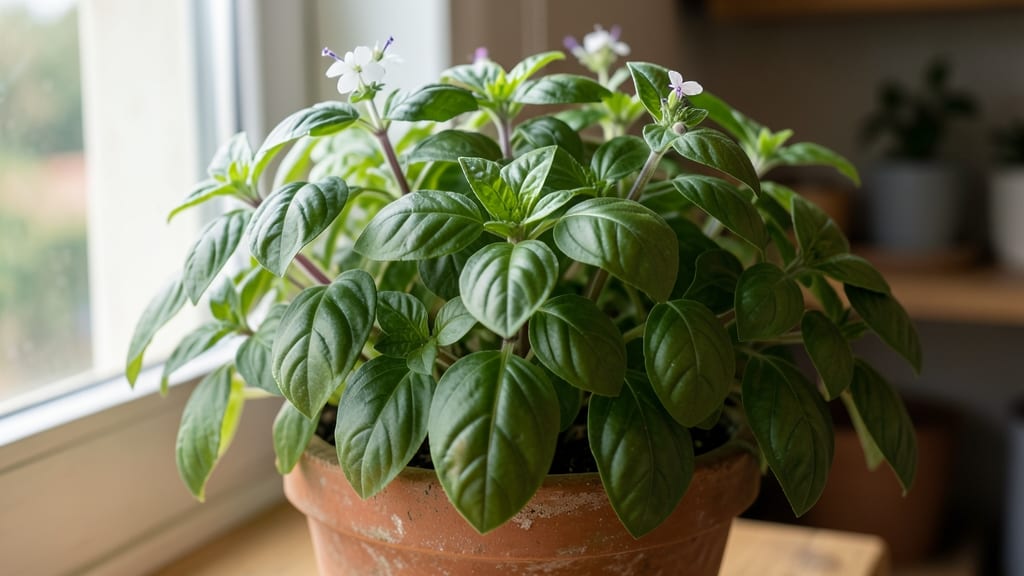
How to identify a basil plant is simpler than you think—just look at those oval, slightly pointed leaves with serrated edges. 🌿 I used to confuse it with mint or parsley until I learned the key differences: basil leaves are softer, brighter green, and grow in pairs along the stem, while mint leaves are narrower and spread all over. The square stems (yes, really!) are another dead giveaway—run your thumb along one, and you’ll feel four ridges. Basil also smells fresh, slightly peppery, and tastes like the base of your favorite pesto when you crush a leaf between your fingers. No other common herb has this combo. If you’re still unsure, compare it to oregano: basil leaves are larger, smoother, and grow upright, while oregano’s are smaller, fuzzy, and sprawl outward. A quick sniff test confirms it—basil’s aroma is bright and herbaceous, not woody like oregano. This trick works for potted plants, garden beds, or even wild patches. Once you spot these clues, you’ll never mistake basil again—and your cooking will thank you!
📚 In This Guide
- What you need
- Instructions
- Tips and common mistakes
- Wrapping up and next steps
What you need
- ● Healthy basil plant – A live specimen (potted or in-ground) to inspect. Pro tip: 💡 If unsure, start with a store-bought basil plant for practice!
- ○ Magnifying glass (optional but helpful) – A 10x magnification lens to closely examine leaf details and fine textures.
- ● Ruler or measuring tape – For checking leaf length and stem width (preferably with millimeter markings for precision).
- ● Sharp scissors or pruning shears – To safely trim leaves or stems for closer inspection (sterilize with rubbing alcohol first!).
- ● Notebook & pen – For jotting down observations like leaf shape, color, and stem characteristics.
- ● Camera or smartphone – To capture images of leaves, stems, and overall plant structure for comparison later.
- ○ Gloves (optional but recommended) – Lightweight gardening gloves to protect your hands from sap or dirt.
- ● Plant identification guidebook or app – Like PlantNet or iNaturalist for cross-referencing your findings.
- ● Small white plate or tray – To place leaves/stems for better contrast when examining colors.
- ● Flashlight (LED preferred) – For inspecting undersides of leaves in low light.
- ● Baseline reference images – Print or save high-res photos of genuine basil (e.g., Genovese, Thai, or Purple basil) for side-by-side comparison.
How to identify basil plants: leaf shape and stem clues
Here's how I spot basil in seconds—just look for these key features that set it apart from other herbs.
🌿 Step 1: Examine the Leaf Shape and Arrangement
Basil leaves are oval with jagged edges, unlike the smooth, rounded leaves of mint or the deeply lobed leaves of sage. Hold a leaf up to light—you'll notice the edges have fine, saw-like teeth that create a scalloped effect. The leaves grow in pairs opposite each other along the stem, forming a symmetrical pattern that's easy to spot once you know what to look for.
Run your fingers along the leaf's underside. Basil leaves feel slightly fuzzy due to tiny hairs, while parsley leaves are smooth and flat. This texture is a dead giveaway when you're comparing plants side by side. The leaves also have a bright green color that stays vibrant even in low light, unlike cilantro which often develops a duller hue.
🌱 Step 2: Check the Stem Characteristics
Basil stems are square-shaped when viewed in cross-section—this is the most distinctive feature. Run your thumb along the stem and you'll feel four distinct flat sides. Most other herbs have round stems, though rosemary comes close with slightly angular stems. The square shape helps basil channel nutrients efficiently, which is why it grows so vigorously.
Look at how the stems branch. Basil grows in a bushy, multi-stemmed pattern from the base, while oregano tends to have a single main stem with sparse branching. The stems also have a slightly woody texture as they mature, though they'll stay tender if you harvest regularly. New growth appears bright green and fuzzy, while older stems develop a faint reddish tint.
☀️ Step 3: Observe the Growth Pattern and Scent
Basil plants grow in a compact, bushy shape that reaches about 12-24 inches tall depending on the variety. The leaves cluster densely along the stems, creating a lush appearance. Hold the plant near your nose—true basil has a distinctive aromatic scent that combines sweet, peppery, and slightly clove-like notes. This fragrance is strongest when you crush a leaf between your fingers.
Compare this to other herbs: mint smells minty and cooling, thyme has an earthy, pine-like scent, and cilantro smells citrusy. Basil's aroma becomes more intense in sunlight, so check plants on a sunny afternoon when the oils are most concentrated. The scent is your final confirmation—if it doesn't smell like basil, it's probably something else.
✂️ Step 4: Look for Flowering Clues (If Present)
While you should pinch off flowers to encourage leaf growth, basil flowers are another identification feature. They appear as small white or purple spikes at the stem tips, with tiny two-lipped blooms that resemble orchids. These flowers grow in whorls around the stem, creating a distinctive pyramid shape. If you see these flowers, you're definitely looking at basil—no other common culinary herb produces this exact flower structure.
The flowers also have a faint sweet scent that complements the leaf aroma. However, if flowers appear, it means the plant is maturing and producing seeds. At this stage, the leaves may develop a slightly bitter taste. This is your cue to either harvest the flowers for culinary uses or pinch them off to redirect the plant's energy back into leaf production.
Tips & tricks for identifying basil plants like a pro
Between us, here's what nobody tells you about spotting basil—these tricks will have you identifying plants in seconds without second-guessing.
Leaf Texture Test: The fuzzy underside of basil leaves is your secret weapon. Run your thumb across the underside—if it feels slightly hairy (like a cat's tongue), you've found basil. This fuzzy texture helps distinguish it from smooth-leaved herbs like parsley, which feels completely flat to the touch. I've compared basil to mint dozens of times, and this texture test never fails me.
Stem Cross-Section Trick: Grab a stem and slice it lengthwise with a sharp knife—if you see four distinct flat sides (like a square), you've got basil. Most herbs have round stems, but rosemary comes close with slightly angular stems. This square shape isn't just for show; it helps basil channel nutrients more efficiently, which is why it grows so vigorously compared to other herbs.
Light Test for Leaf Edges: Hold a leaf up to natural light and look closely at the edges. Basil leaves have fine, saw-like teeth that create a scalloped effect, unlike the smooth, rounded edges of mint or the deeply lobed edges of sage. This jagged pattern is subtle but unmistakable once you know what to look for. I've used this trick to identify basil in garden centers where plants are labeled incorrectly.
Scent Confirmation: The aroma test is your final check—crush a leaf between your fingers and take a deep sniff. True basil smells like a combination of sweet, peppery, and faintly clove-like notes. This scent becomes stronger in sunlight, so do your sniff test on a sunny afternoon. If it doesn't smell like basil, it's probably something else entirely—no other common herb has this exact fragrance profile.
Pro Tips for Identify Basil Plant
- Between us, here's what nobody tells you about spotting basil—these tricks will have you identifying plants in seconds without second-guessing.
- Leaf Texture Test: The fuzzy underside of basil leaves is your secret weapon.
- Stem Cross-Section Trick: Grab a stem and slice it lengthwise with a sharp knife—if you see four distinct flat sides (like a square), you've got basil.
Frequently asked questions
Got questions about spotting basil? You’re not alone!
Here are answers to the most common queries—from beginners to gardeners troubleshooting their green thumbs.
How can I tell if my basil plant is real or fake?
Authentic basil has oval, slightly pointed leaves with a distinctive square stem. Fake or hybrid plants (like Thai basil) may have serrated edges or purple stems. Smell the leaves—true basil emits a fresh, aromatic scent. If it lacks these traits, it might be a lookalike like wild bergamot or coleus.
When is the best time to identify basil in its growth cycle?
Identify basil early in the morning when leaves are hydrated and scents are strongest. Young plants (4–6 weeks old) are easiest to spot—look for small, bright green leaves and tender stems. Avoid identifying after rain or late in the day, as leaves may appear wilted or misidentified.
What if my basil looks healthy but doesn’t smell like basil?
Several factors can dull basil’s scent: overwatering, poor sunlight, or nutrient deficiencies. Try moving it to a sunny spot (6+ hours/day) and let the soil dry slightly between waterings. If the issue persists, it might be a non-aromatic variety (like Genovese) or a crossbred plant.
Are there common plants that look like basil but aren’t?
Yes! Here’s a quick ID cheat sheet:
| Plant | Key Difference |
|---|---|
| Wild Bergamot | Purple flowers, fuzzy leaves, and a minty (not basil) scent. |
| Coleus | Colorful, patterned leaves with no square stems. |
| Dill | Feathery leaves and yellow flowers; smells like licorice. |
| Thyme | Tiny, needle-like leaves and woody stems. |
Can I use basil leaves from a plant I’m unsure about?
Proceed with caution! If you’re not 100% sure it’s basil, avoid using it in cooking or teas—some lookalikes (like wild bergamot) can be toxic in large amounts. When in doubt, compare photos or ask a local nursery expert. Your taste buds (and stomach) will thank you!
Wrapping up and next steps
Identifying a basil plant is easier than you think! By focusing on its distinctive heart-shaped leaves, square stems, and aromatic scent, you’ll confidently spot this versatile herb in no time.
Whether you’re a gardening newbie or a seasoned green thumb, these clues will help you grow—and enjoy—fresh basil like a pro. 🌿
Now that you’re armed with these tips, why not plant your own basil? Start with a seedling, keep it in sunny soil, and soon you’ll be harvesting leaves for your favorite dishes. Happy growing! 🌱