
How To
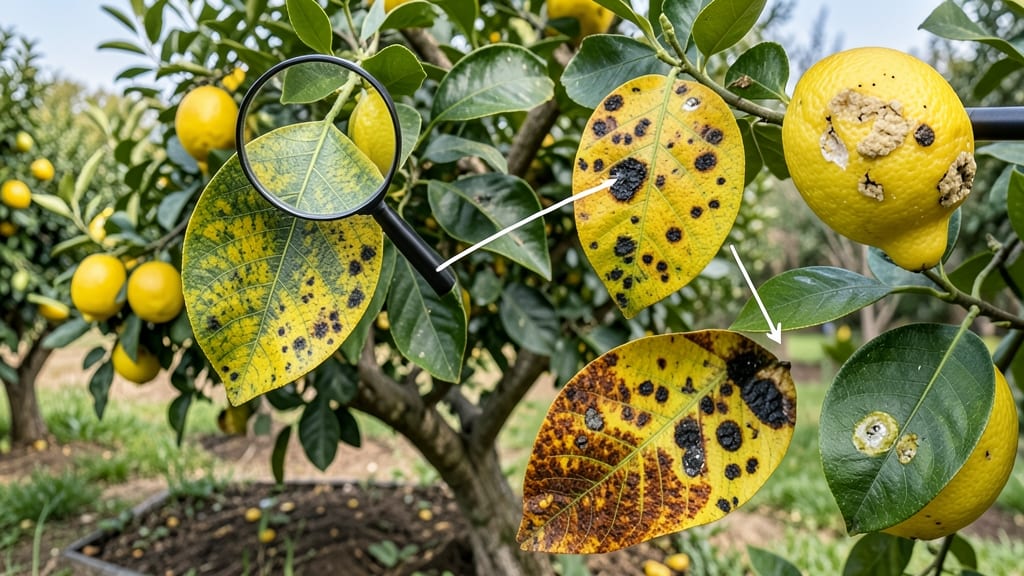
How to identify citrus tree diseases early can save your tree before problems spiral out of control. 🌿 Citrus diseases often start with subtle clues, like tiny black spots or sticky sap, that can save your tree if caught early. The key is recognizing patterns before they spread, because what looks like a nutrient deficiency might actually be a fungal infection hiding in plain sight.
Most citrus problems fall into three categories: fungal (like melanose or greasy spot), bacterial (such as citrus canker), or environmental (nutrient deficiencies or sunburn). Fungal diseases often show up as dark, spreading spots on leaves, while bacterial infections create raised, crusty lesions.
Nutrient issues, meanwhile, tend to yellow leaves evenly from the bottom up—no spots, just slow decline.
You’ll learn to spot these differences with just a magnifying glass and a reference chart. A close look at leaf edges, fruit blemishes, or bark cracks reveals whether your tree needs pruning, fungicide, or just better watering habits.
The sooner you act, the more you’ll protect your harvest—and your tree’s long-term health.
This isn’t about memorizing a textbook—it’s about noticing the small details that make all the difference. By the end, you’ll confidently diagnose issues before they escalate, saving time, money, and maybe even your favorite lemon tree. Let’s get started with the visual clues that matter most.
Root Causes Of Citrus Tree Ailments
Citrus trees, with their vibrant blooms and tangy fruits, can quickly become a gardener’s pride—until disease strikes. Understanding why these issues arise is the first step to prevention. Below, we break down the key factors that turn your thriving citrus into a struggling plant, from microscopic invaders to environmental missteps.
Fungi thrive in the perfect storm of warm, humid weather and poor air circulation. Citrus trees are especially vulnerable when:
- Leaves stay wet for long periods—whether from rain, overhead irrigation, or high humidity. Fungal spores like Phytophthora (root rot) or Alternaria (leaf spot) latch onto damp surfaces and multiply rapidly.
- Soil is waterlogged—citrus trees prefer well-draining soil. When roots sit in soggy conditions, oxygen deprivation weakens defenses, inviting fungal infections like Gloeosporium (citrus scab).
- Pruning wounds aren’t healed—fresh cuts provide entry points for fungi. If pruned branches aren’t sealed with a fungicide or allowed to callus, spores can infect the tree.
Pro Tip: 🌡️ Monitor humidity—aim for <60% in the growing season—and water at the base of the tree (not the foliage) to keep leaves dry.
Some of the worst citrus diseases aren’t caused by pathogens alone—they’re pest-facilitated. Insects like aphids, scale, and citrus leafminers:
- Transmit viruses (e.g., Citrus Tristeza Virus) through feeding, which stunts growth and causes dieback.
- Damage leaves and bark, creating wounds where fungi or bacteria (like Xanthomonas) can enter.
- Produce honeydew, a sticky substance that fosters sooty mold—a black fungal growth that blocks sunlight and weakens photosynthesis.
Pro Tip: ✨ Inspect new growth regularly—look for sticky residue, curled leaves, or tiny webs (signs of spider mites). Neem oil or horticultural oil sprays can disrupt pest life cycles before they spread.
Citrus trees are adapted to mild climates, but sudden shifts—whether too hot, too cold, or too dry—can trigger disease:
- Freezing temperatures (<32°F/0°C) cause cold damage, which cracks bark and leaves, inviting bacterial infections like Citrus Canker.
- Heat stress (above 95°F/35°C) weakens the tree’s immune response, making it susceptible to Melanose (a fungal spot disease).
- Drought followed by heavy rain shocks the tree—sudden water uptake can’t keep up with root demand, leading to Physiological Leaf Drop or fungal root rot.
Pro Tip: 💡 Mulch heavily in winter to insulate roots, and use shade cloth in peak summer to prevent heat stress.
A citrus tree’s health starts below ground. When soil conditions are off, diseases exploit the weakness:
- Compacted or clay-heavy soil restricts root growth, making trees more prone to root rot (e.g., Armillaria).
- Nitrogen deficiency (yellow leaves) or zinc/manganese deficiency (small, distorted leaves) weaken the tree’s ability to fight pathogens.
- Over-fertilization with phosphorus can lead to nutritional disorders that mimic disease symptoms, like blossom end rot in fruits.
Pro Tip: 📊 Test your soil every 2–3 years. Citrus thrive in slightly acidic to neutral pH (6.0–7.0) with balanced NPK (e.g., 6-6-6 fertilizer).
Even the cleanest garden can harbor hidden threats. Diseases spread through:
- Infected pruning tools—bacteria like Xylella fastidiosa (which causes Citrus Variegated Chlorosis) can hitch a ride on unsterilized blades.
- Reusing compost or mulch from diseased plants—fungal spores survive in organic matter for years.
- Wind or water carrying spores from nearby infected trees (e.g., Citrus Greening, spread by psyllids).
Pro Tip: 🔪 Sanitize tools with 70% isopropyl alcohol or a 10% bleach solution between uses. Quarantine new plants for 2–4 weeks to monitor for symptoms.
Fixing Citrus Tree Ailments Fast
Once you’ve spotted the trouble, acting quickly can save your citrus trees from irreversible damage. Below are practical, step-by-step solutions tailored to the most common citrus diseases, along with prevention tips to keep your grove thriving.
Think of this as your citrus tree’s emergency first-aid kit—simple, effective, and easy to follow.
**🔥 The Fix Citrus canker thrives in warm, humid conditions, but you can stop its spread with these steps: 1. Prune infected branches 🔪—Cut off and dispose of (do not compost) any leaves, fruit, or stems showing lesions. Sterilize pruners with 70% rubbing alcohol between cuts.
- Scrub the tree 🧼—Use a soft brush and a mix of baking soda (1 tbsp), liquid dish soap (1 tsp), and water (1 gallon). Scrub every surface (leaves, branches, trunk) to remove bacterial buildup.
- Apply copper fungicide 🛡️—Spray with a copper-based fungicide (like Copper Sulfate) every 7–10 days during outbreaks. Follow label instructions for dilution.
- Remove fallen debris 🗑️—Sweep up leaves and fruit from the ground to prevent reinfection.
💡 Prevention Tips
- Plant in well-draining soil to reduce humidity around roots.
- Space trees 8–10 feet apart for airflow.
- Avoid overhead watering—use drip irrigation instead.
- Monitor new growth weekly during humid seasons.
🍳 The Fix HLB is incurable, but you can slow its progression and protect other trees:
- Remove infected trees immediately 🌳—Dig up and burn or bag infected plants to prevent psyllid spread.
- Treat with systemic antibiotics 💊—Apply oxytetracycline or streptomycin (follow label rates) every 2–4 weeks** to weaken the bacteria. Note: This is a temporary fix—HLB will eventually kill the tree.
- Control psyllids aggressively 🐜—Spray with neem oil, horticultural oil, or insecticidal soap every 7–10 days during warm months. Use yellow sticky traps to monitor populations.
- Boost tree health 💪—Fertilize with low-nitrogen, high-potassium fertilizer (like 6-6-12) to strengthen immunity.
**💡 Prevention Tips
- Quarantine new citrus plants for 30 days before introducing them to your grove.
- Inspect leaves weekly for psyllids (tiny, winged insects).
- Plant disease-resistant varieties like ‘Swingle’ citrumelo rootstock if replanting.
👨🍳 The Fix Root rot is a silent killer, but you can revive affected trees with these steps:
- Stop watering immediately 💧—Let the soil dry out completely for 3–5 days.
- Improve drainage 🚧—Amend soil with perlite, sand, or compost to break up compacted areas. Consider raising the tree’s base with a mound of gravel.
- Apply fungicide to roots 🌱—Drench the soil with mycorrhizal fungi or beneficial bacteria (like Serenade ASO) to outcompete pathogens.
- Prune back foliage ⏰—Reduce water needs by trimming 20–30% of leaves to lower stress on the roots.
💡 Prevention Tips
- Water deeply but infrequently—Citrus trees prefer dry soil between waterings.
- Avoid planting in low spots where water pools.
- Use raised beds for container-grown citrus.
🥘 The Fix Fungal diseases like scab and melanose respond well to preventive sprays:
- Remove infected fruit and leaves 🗑️—Dispose of them in the trash (not compost).
- Spray with copper or sulfur 🛡️—Alternate between copper fungicide and sulfur-based sprays every 10–14 days during wet seasons.
- Apply horticultural oil 🌿—Use dormant oil in late winter to smother fungal spores.
- Thin out dense foliage 🌳—Improve airflow by pruning crossing branches.
💡 Prevention Tips
- Water in the morning to allow foliage to dry quickly.
- Space trees properly for sunlight penetration.
- Use mulch (like straw or wood chips) to reduce soil splashing onto leaves.
No matter the disease, healthy trees fight off pathogens better.
Follow these year-round habits: ✅ Fertilize correctly—Use a balanced citrus fertilizer (like 10-10-10) in early spring. ✅ Prune for airflow—Remove dead, diseased, or crowded branches annually. ✅ Test soil pH—Citrus thrives in slightly acidic soil (6.0–7.0).
Adjust with lime (to raise pH) or sulfur (to lower pH) if needed. ✅ Monitor pests—Aphids, scale, and mites weaken trees, making them susceptible to disease. Treat early with neem oil or insecticidal soap.
🎯 Final Pro Tip When in doubt, act fast. Most citrus diseases spread within days, so inspect weekly and treat at the first sign of trouble. A little prevention now saves hours of cleanup later**—and keeps your trees bearing fruit for years! 🍋✨
Frequently asked questions
What’s the difference between black spots on citrus leaves and nutrient deficiencies?
Black spots from fungal diseases (like melanose) usually have halos or spread with irregular edges, while nutrient deficiencies (e.g., iron chlorosis) cause uniform yellowing without dark spots. Check the undersides of leaves—fungal spots often appear there first, while deficiencies start on older leaves.
Can I use household items to treat citrus diseases?
Yes! For fungal issues, a baking soda spray (1 tbsp baking soda + 1 tsp dish soap + 1 gallon water) works as a preventative. For bacterial canker, scrub lesions with a 10% bleach solution (mix 1 part bleach with 9 parts water) and rinse. Always test on a small area first.
Why do my citrus leaves turn yellow but stay green at the edges?
This classic iron deficiency (chlorosis) happens when your tree can’t absorb iron from alkaline soil. Try chelated iron supplements or add sulfur to lower soil pH. Yellowing between veins (while edges stay green) is your clue—it’s not a disease, just a nutrient cry for help!
How do I know if my citrus tree has root rot or just needs more water?
Root rot causes mushy, brown roots that smell foul, while thirsty trees have dry, crispy roots. Dig carefully—if roots are black and mushy, stop watering immediately and improve drainage. If they’re dry but brittle, water deeply and mulch to retain moisture.
Are some citrus varieties more disease-resistant than others?
Meyer lemons and ‘Satsuma’ mandarins are naturally more resistant to canker and greening than Valencia oranges. For extreme climates, consider ‘Carrizo’ citrange rootstock—it’s bred to fight diseases like HLB. Always check local nursery recommendations for your region’s biggest threats.