
Container Gardens
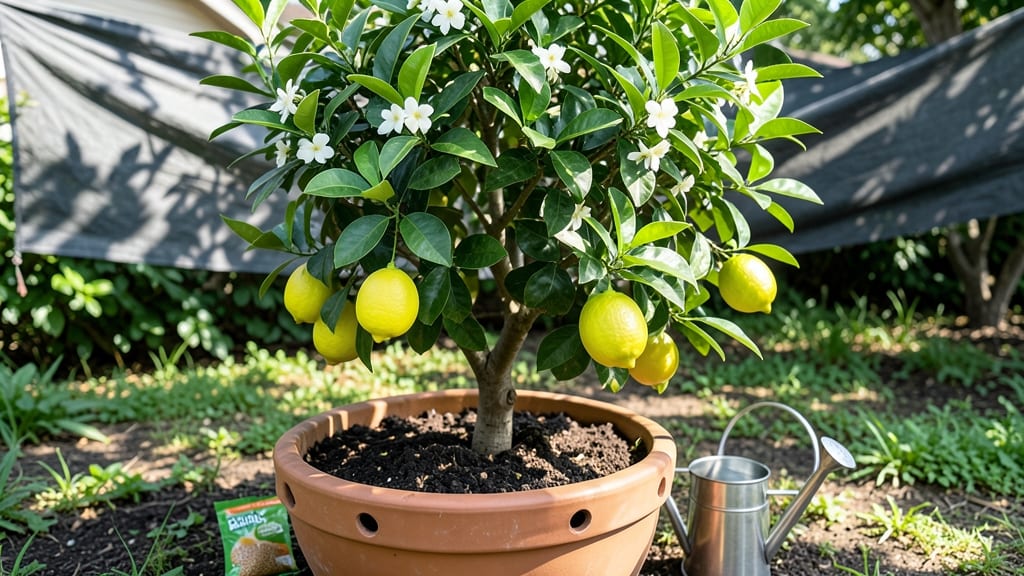
How to grow a Meyer lemon tree in a container changed everything. 🌱 That first fragrant bloom, then the tiny lemons—it’s the kind of joy that fits on a balcony or windowsill. The secret isn’t complicated: a big enough pot, the right soil mix, and a little patience. Most people assume citrus needs a yard, but Meyer lemons thrive in containers with proper care, even indoors.
Start with a 5-gallon pot (minimum) and well-draining soil—citrus hates soggy roots. Place it where it gets 6+ hours of sunlight daily, and water when the top inch feels dry.
Fertilize lightly every 2 months with citrus-specific food, and you’ll see new leaves and flowers within months. The first lemons might take a year, but they’re worth the wait.
What you’ll end up with is a scented, evergreen tree that produces fruit year-round, even in small spaces. The lemons are sweeter than grocery-store varieties, and the glossy foliage adds instant curb appeal.
Prune sparingly to shape it, and watch for pests—mealybugs are the biggest threat, but a quick spray of neem oil fixes that.
Perfect for urban balconies, sunny kitchens, or even a greenhouse. With the right setup, your Meyer lemon tree will reward you with harvests for decades—and the smell alone makes it worth every effort. Ready to start?
📚 In This Guide
- What you need
- Instructions
- Tips and common mistakes
- Wrapping up and next steps
What you need
- ● Container: A large pot (at least 18–24 inches in diameter) with drainage holes. Terracotta or fabric pots work best.
- ● Potting Mix: A well-draining, citrus-specific mix (or a blend of 60% potting soil, 30% perlite, and 10% compost).
- ● Meyer Lemon Tree: A dwarf variety (3–5 feet at maturity) from a nursery or online.
- ● Drainage Layer: 3–4 inches of gravel or pebbles (for root health).
- ● Fertilizer: A balanced citrus fertilizer (e.g., 6-6-6 or 8-3-9) or organic options like fish emulsion.
- ● Watering Can or Hose: With a gentle spray nozzle for hydration.
- ● Pruning Shears: Sharp, sterilized shears for trimming.
- ○ Support Stakes (Optional): If your tree grows tall, use bamboo stakes or trellis for stability.
- ● Mulch: Organic mulch (like straw or bark) to retain moisture.
- ● Citrus Food: Slow-release pellets for convenience.
- ● Humidity Tray: A pebble tray under the pot to boost humidity.
- ● Grow Lights (Indoor Growers): LED grow lights for 12–14 hours/day if natural light is limited.
Step-by-step instructions for growing a Meyer lemon tree in a container
Here’s how to nurture a thriving Meyer lemon tree in limited space—no yard required.
🪴 Step 1: Choose the Right Container and Drainage
Select a 5-gallon or larger container with drainage holes—Meyer lemons need room for roots and hate soggy feet. I prefer unglazed terra cotta because it breathes and prevents overwatering. Add a 2-inch layer of gravel or broken pottery at the bottom to improve drainage and prevent root rot.
If your pot lacks drainage, drill holes yourself—4-6 evenly spaced holes work well. Place a mesh screen or landscape fabric over the holes to keep soil in while allowing excess water to escape. This ensures your tree stays healthy without waterlogging.
🌱 Step 2: Use Well-Draining Soil and Plant Correctly
Fill the container with a mix of 60% potting soil, 20% perlite, and 20% coarse sand for optimal drainage. Avoid garden soil—it compacts and suffocates roots. Gently remove the Meyer lemon tree from its nursery pot and loosen the roots if they’re circling.
Place the tree in the center of the container, ensuring the root flare (where roots meet the trunk) sits just above the soil line. Fill in around the roots with your soil mix, pressing lightly to eliminate air pockets. Water thoroughly after planting to settle the soil and eliminate gaps.
☀️ Step 3: Position for Bright, Indirect Light
Meyer lemons thrive in full sun (6-8 hours daily), but young trees appreciate morning sun and afternoon shade to avoid leaf scorch. A south- or west-facing window works well, but supplement with a grow light if natural light is insufficient.
Rotate the pot quarter-turn weekly so the tree grows evenly. You’ll notice leaves leaning toward the light? That’s your cue to move the tree or adjust the light source. Avoid cold drafts—keep temperatures between 60-85°F for best growth.
💧 Step 4: Water Deeply and Maintain Consistent Moisture
Water when the top 1-2 inches of soil feel dry—stick your finger in to check. Meyer lemons prefer even moisture but hate soggy roots. In summer, water every 3-4 days; in winter, reduce to once a week. Always water at the base to avoid fungal issues.
Use room-temperature water to prevent shock. If leaves curl or yellow, you’re either over- or underwatering. Adjust based on soil dryness—consistency is key. A self-watering pot helps maintain steady moisture without guesswork.
✂️ Step 5: Prune and Fertilize for Healthy Growth
Prune in late winter or early spring to shape the tree and encourage fruit production. Remove dead or crossing branches with clean cuts, and trim leggy growth to promote bushiness. Sterilize pruners with rubbing alcohol to prevent disease.
Fertilize every 4-6 weeks with a balanced citrus fertilizer (10-10-10 or similar). In winter, reduce to once every 8-10 weeks since growth slows. Over-fertilizing burns roots—always follow package instructions for dosage.
Tips & tricks for perfect container-grown Meyer lemon trees
Between us, these little details make all the difference when growing Meyer lemons in containers.
Container Material Matters: While terra cotta is my top pick for its breathability, plastic pots retain moisture better in dry climates. If using plastic, reduce watering to every 4-5 days in summer to prevent root rot. The key is matching your pot to your environment—not every container works equally well.
Soil Mix Secrets: That 60-20-20 soil ratio is non-negotiable, but here's what nobody tells you: Add a handful of composted cow manure to the mix when planting. It provides slow-release nutrients that support early root growth without burning tender new roots. Think of it as a growth booster shot for your tree.
Light Positioning: Watch for these visual cues: If new leaves appear only on one side, your tree isn't getting enough light. Rotate quarter-turn weekly as instructed, but also consider adding a reflective surface (like a white wall or aluminum foil) behind the pot to bounce extra light onto the tree. This simple trick can make a 6-8 hour sun requirement feel like 10 hours of effective light exposure.
Winter Care: When temperatures drop below 60°F, move your Meyer lemon to a sunny indoor spot near a south-facing window. If you notice leaf drop, it's normal—just reduce watering to once every 10-14 days and maintain consistent temperatures. The tree enters dormancy naturally, so don't panic about the slowed growth during cooler months.
Pro Tips for Grow Meyer Lemon Tree In Container
- Between us, these little details make all the difference when growing Meyer lemons in containers.
- Container Material Matters: While terra cotta is my top pick for its breathability, plastic pots retain moisture better in dry climates.
- Soil Mix Secrets: That 60-20-20 soil ratio is non-negotiable, but here's what nobody tells you: Add a handful of composted cow manure to the mix when planting.
Frequently asked questions
Got questions about growing your Meyer lemon tree in a container? You’re not alone! Here are some of the most common queries—and their answers—to help you thrive with your citrus companion.
How big should my container be for a Meyer lemon tree?
A 5-gallon pot (18–24 inches wide) is ideal for young trees, while mature trees need at least 15–20 gallons (24–30 inches wide). Deeper pots (18+ inches) encourage stronger root growth. Use containers with drainage holes to prevent soggy soil—root rot is a citrus tree’s worst nightmare!
Can I grow a Meyer lemon tree indoors year-round?
Yes! But it needs bright, indirect light (6+ hours daily) near a south- or west-facing window. Supplement with a grow light (12–14 hours/day) in winter. Keep temps between 60–85°F—avoid drafts or heaters, which dry out the air. Rotate the pot weekly for even growth.
Why aren’t my Meyer lemon tree’s leaves yellowing?
Yellow leaves usually signal overwatering, underwatering, or nutrient deficiencies. Check the soil—it should be damp but not soggy. Adjust watering (every 1–2 weeks, depending on pot size). Yellowing with brown edges? Low humidity or fluoride buildup (use filtered water). Feed with citrus-specific fertilizer every 2–3 months for a boost.
What pests should I watch for on my container-grown Meyer lemon?
Common culprits include spider mites, aphids, and scale insects. Inspect leaves weekly—look for sticky residue (honeydew) or tiny webs. Blast pests off with water or use neem oil (mix 1 tsp per quart of water). For severe infestations, repeat treatment every 5–7 days. Keep your tree clean and well-ventilated to deter pests!
Can I grow other citrus trees in the same container?
Not recommended! Meyer lemons thrive best solo—other citrus (like oranges or limes) compete for nutrients, space, and water. If you’re tight on space, consider dwarf varieties or stagger planting (e.g., one tree per container). For variety, grow herbs like thyme or rosemary nearby—they repel pests and add flavor to your harvest!
Wrapping up and next steps
Growing a Meyer lemon tree in a container is a rewarding journey that brings fresh, fragrant fruit and lush greenery right to your doorstep—no backyard required! With the right pot, sunlight, and care, you’ll enjoy year-round citrus joy and maybe even share your harvest with neighbors. 🌱✨
Now that you’re equipped with the know-how, take the first step today—pick your container, grab some soil, and let your little lemon dream grow! Before you know it, you’ll be sipping homemade lemonade or baking zesty treats straight from your own tree. Happy growing!