
Trees
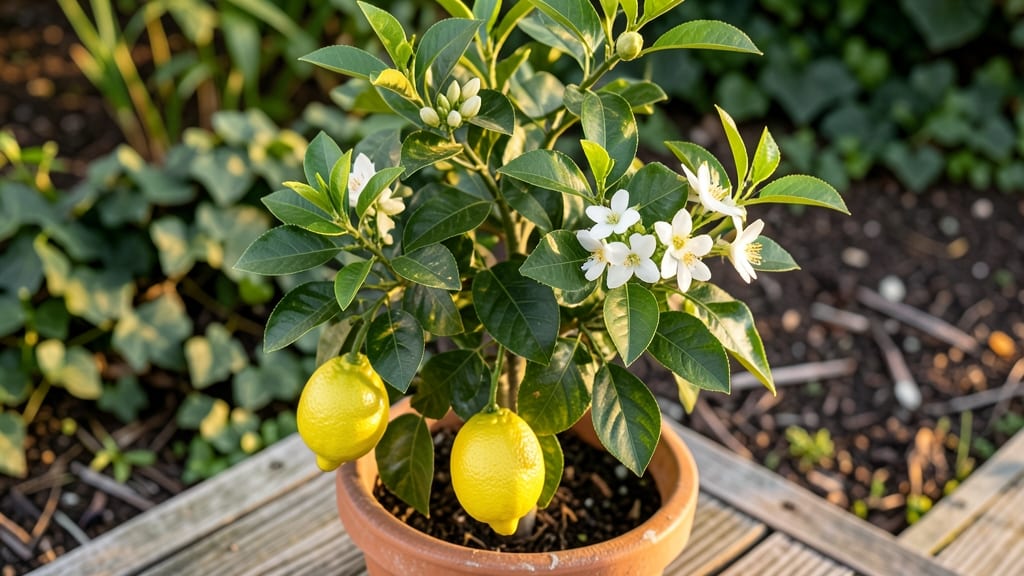
How to identify citrus trees by the leaves reveals a world of secrets hidden in every glossy green clue. 🌿 I’ve spent years studying these jagged edges, broad shapes, and intricate vein patterns—because a single glance at the foliage can tell you everything you need to know about what’s growing in your yard.
The key lies in three details: leaf shape (narrow and pointed for lemons, wide and oval for oranges), vein patterns (prominent midribs in grapefruit, finer networks in tangerines), and edges (serrated like a saw in some varieties, smooth in others).
Even the way leaves grow—alternating or clustered—gives away the tree’s identity. Seasonal changes can tweak these features, but the basics stay the same.
You’ll spot the differences faster than you think, especially when comparing side by side. A healthy citrus leaf is thick, leathery, and fragrant when crushed—signs that confirm you’re looking at a true citrus, not a lookalike like a mock orange or even a eucalyptus.
Mistakes happen when leaves are young or stressed, but once you train your eye, identification becomes second nature.
This method works for backyard growers, urban gardeners with dwarf varieties, and even those just trying to figure out what’s growing wild in their neighborhood. Grab a magnifying glass, and let’s decode the leaves—your citrus trees won’t keep secrets from you for long.
📚 In This Guide
- What you need
- Instructions
- Tips and common mistakes
- Wrapping up and next steps
What you need
- ● Fresh or dried citrus leaves – At least 3-5 healthy leaves per tree (preferably from different parts of the tree for accuracy).
- ○ Magnifying glass (optional but helpful) – A 10x magnification works best for examining fine details like vein patterns or tiny hairs.
- ● Ruler or measuring tape – For measuring leaf length, width, and petiole (stem) length in inches or centimeters.
- ● Notebook & pen – To jot down observations like leaf shape, color, texture, and aroma.
- ● Camera or smartphone – Capture close-up photos of leaf undersides, veins, and edges for later comparison.
- ● Field guide or citrus ID app – Apps like PictureThis or LeafSnap can cross-reference your findings.
- ● Hand lens with light – For better visibility of trichomes (tiny hairs) or glandular dots.
- ● Leaf press or herbarium sheets – To preserve samples for long-term study.
- ● Citrus fruit reference guide – Helps confirm IDs if you spot fruit or flowers nearby.
- ● Gloves (if handling spiny leaves) – Some citrus varieties, like trifoliate orange, have sharp edges!
Step-by-step guide to identifying citrus trees by their leaves
Citrus trees reveal their identity through leaf details—here's how to decode them like a pro.
🌿 Step 1: Observe Leaf Shape and Size
Start by examining the overall leaf shape, which varies dramatically between citrus varieties. Lemon trees typically have oval to elliptical leaves measuring 2-4 inches long, with a slightly tapered tip and rounded base. Lime leaves are similar but slightly smaller—1.5-3 inches—often with a more pronounced point at the tip. Orange and grapefruit leaves tend to be 3-5 inches long, broader and more elliptical, with a smoother edge and more pronounced veins.
Hold the leaf up to natural light to see its full form. Notice how the base attaches to the stem—most citrus leaves have a slightly asymmetrical base, where one side curves more than the other. This asymmetry is a key identifier that separates citrus from similar-looking trees like olive or eucalyptus.
🌿 Step 2: Examine Leaf Edges and Texture
Citrus leaves are almost always entire (smooth-edged), but subtle differences exist. Lemon leaves often have a finely serrated edge when viewed closely under strong light—so fine you might miss it at first glance. Lime leaves are typically completely smooth, while orange and grapefruit leaves may show very faint, irregular scalloping along the edges, especially on mature trees.
Run your fingers along the leaf edge to feel the texture. Citrus leaves are leathery and slightly waxy to the touch, with a slightly rough surface on the upper side. The underside is often paler and may show tiny glandular dots—tiny bumps that release citrus oils. These details become more pronounced in direct sunlight.
🌿 Step 3: Study Vein Patterns and Color
Citrus leaves have prominent, branching veins that create a distinctive pattern. Lemon leaves show 5-7 main veins that spread from the central stem, creating a feather-like pattern. Lime leaves have 3-5 main veins, often with a slightly more parallel arrangement. Orange and grapefruit leaves display 7-9 main veins that create a more web-like network with smaller connecting veins.
Observe the leaf color from both sides. The upper surface is usually a deep, glossy green, while the underside is paler green to yellowish-green. In strong sunlight, you'll notice tiny oil glands along the veins—these give citrus leaves their signature aroma when crushed. Compare these details against a reference guide if you're unsure.
🌿 Step 4: Check Leaf Arrangement and Stem Details
Citrus leaves grow in a spiral or alternate pattern along the stem, with each leaf attached by a short, stout petiole (the leaf stalk). The petiole is often wider at the base and may show tiny, raised glands where it meets the leaf. This is a key distinguishing feature—many similar trees have slender petioles.
Look for leaf scars at the base of older leaves. Citrus trees often show small, circular scars where leaves have fallen, indicating healthy growth. The presence of thorns along the stem (common in citrus like sour orange) can also help confirm identification, though not all varieties have them.
💡 Step 5: Test with Scent and Taste (When Safe)
Citrus leaves release their signature scent when crushed—lemon leaves smell intensely citrusy, while lime leaves have a slightly sweeter, more floral aroma. Orange and grapefruit leaves emit a richer, more complex scent, often with hints of their fruit's flavor. If you're near the tree, gently rub a leaf between your fingers to confirm.
For an extra verification step, you can lightly taste the leaf (only if you're certain it's non-toxic citrus). The flavor should match the fruit—bitter lemon, tart lime, or sweet orange. Avoid this step if you're unsure of the tree's identity, as some lookalikes (like mock orange) can be toxic.
Tips & tricks for mastering citrus leaf identification
These subtle details make all the difference when distinguishing between citrus varieties—here's how to sharpen your observation skills.
Lighting is Everything: Always examine leaves in natural daylight, not artificial light. The subtle differences in vein patterns and edge details become much clearer under sunlight. I've caught myself missing the faint scalloping on grapefruit leaves until I held them up to direct light—it's the difference between "maybe" and "definitely." Position the leaf so light shines through it to reveal the full vein structure.
Texture Tells the Story: The leathery, waxy feel of citrus leaves is unmistakable once you know what to look for. Run your fingers along the leaf edge—lemon leaves have that slightly rough upper surface, while lime leaves feel smoother. The underside's tiny glandular dots (those tiny bumps) are most visible when you hold the leaf against a bright background. These oil glands are what give citrus its signature aroma when crushed.
Veins Hold the Secret: When you're comparing citrus varieties, focus on the vein patterns in Step 3. Lemon's feather-like 5-7 veins are easier to count than you'd think—just trace them from the central stem. For tricky cases, try this: hold the leaf horizontally and count the veins from left to right. The parallel arrangement in lime leaves becomes much more obvious this way. Orange and grapefruit's web-like networks show up best when you view the leaf from below in bright light.
Scent Verification: The aroma test in Step 5 is your final confirmation, but there's a trick to make it work best. Don't just crush the leaf—gently rub it between your fingers first. This releases the oils more gradually, letting you distinguish between lemon's intense tartness, lime's floral sweetness, and orange's complex richness. If you're near the tree, crush a small section of leaf and smell immediately—the scent should match the fruit's profile exactly.
Pro Tips for Identify Citrus Trees By Leaves
- These subtle details make all the difference when distinguishing between citrus varieties—here's how to sharpen your observation skills.
- Lighting is Everything: Always examine leaves in natural daylight, not artificial light.
- Texture Tells the Story: The leathery, waxy feel of citrus leaves is unmistakable once you know what to look for.
Frequently asked questions
Got questions about spotting citrus trees by their leaves? You’re not alone! Here are some of the most common queries—and quick answers to help you nail those identifications like a pro.
Can I tell citrus trees apart just by looking at their leaves?
Yes! While some citrus varieties share similarities, key traits like leaf shape (e.g., oval vs. elliptical), vein patterns, and edges (serrated vs. smooth) make identification straightforward. Pair leaf inspection with fruit or flower clues for extra accuracy.
What’s the best time of year to identify citrus trees by leaves?
Spring and summer are ideal—leaves are fully matured, vibrant, and easier to examine. Avoid winter when leaves may be sparse or damaged. Early morning or late afternoon lighting also enhances details for closer inspection.
What if my citrus tree’s leaves look weird or damaged?
Damaged or diseased leaves can distort identification. Check for pests (like aphids or mites) or signs of fungal infections (yellow spots, brown edges). If leaves are unhealthy, address the issue first before relying on them for ID.
Are there non-citrus trees that mimic citrus leaves?
Yes! Some trees, like Murraya paniculata (orange jessamine) or Poncirus trifoliata (trifoliate orange), have citrus-like leaves but aren’t true citrus. Compare leaf structure, fruit, and growth habits to confirm.
Do I need a ruler or measuring tool to identify citrus leaves?
Not necessarily! While size matters (e.g., grapefruit leaves are larger than lemon leaves), you can estimate proportions by comparing leaves to your hand or a common object (like a credit card). Focus on shape and texture first.
Wrapping up and next steps
Identifying citrus trees by their leaves is simpler than you think—just focus on shape, veins, edges, and scent! 🌿 With a little practice, you’ll spot lemons, oranges, and grapefruits like a pro. Now that you’re armed with these tips, why not take your skills outside?
Your next step? Grab a notebook, head to a local park or garden, and start comparing leaves. Snap a few photos, note the details, and soon, you’ll be impressing friends (and maybe even citrus farmers!) with your newfound expertise. Happy leaf-hunting! 🌱