
Shrubs
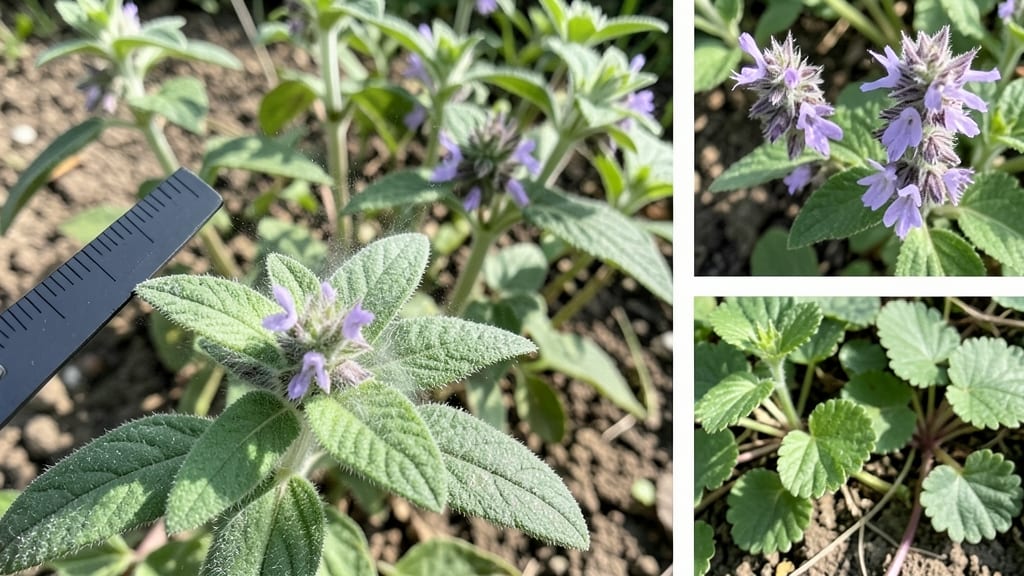
How to identify wild catnip starts with spotting its square-stemmed leaves—this hardy perennial thrives in sunny fields and roadsides, its minty scent giving it away before you even see it—but don’t confuse it with mint or dead nettle. The key? Catnip’s fuzzy, crinkled leaves grow in opposite pairs along a square stem, while its tiny purple flowers form dense spikes in summer.
Habitat clues help narrow it down: catnip loves disturbed soil, so check edges of trails, abandoned lots, or sunny patches near fences. Unlike mint, it doesn’t spread aggressively through runners, and its stems stay woody at the base.
If you crush a leaf and your cat suddenly appears (or your dog starts sniffing), you’ve got the real deal.
For gardeners, wild catnip can be a double-edged sword—its strong aroma deters pests like aphids but may also attract cats to dig in your beds. In some regions, it’s considered invasive, while others welcome it as a natural pest control.
If unwanted, pull young plants before they establish deep roots, or mulch heavily to suppress regrowth.
Pro tip: Snap a photo of the flowers and leaves to compare against similar plants like dead nettle (which has toothed leaves and no square stems) or wild bergamot (taller with showier blooms).
Once you know what to look for, spotting catnip becomes second nature—especially when a curious feline confirms your find.
📚 In This Guide
- What you need
- Instructions
- Tips and common mistakes
- Wrapping up and next steps
What you need
- ● Field Guide or App: A printed guide (like Wildflowers of North America) or a plant-ID app (e.g., iNaturalist or PictureThis) to cross-reference features.
- ● Notebook & Pen: For jotting down details like leaf shape, scent, or habitat notes.
- ○ Hand Lens (10x Magnification, Optional but Helpful): To inspect fine details like hairy stems or square-shaped stems.
- ● Gloves (Nitrile or Latex): Protects hands from prickly stems or potential allergens (though catnip itself is harmless).
- ● Small Plastic Bag or Container: For safely collecting a leaf sample (if you want to rub it on a pet’s fur later for ID confirmation!).
- ● Camera or Smartphone: Capture close-ups of leaves, stems, and flowers for later comparison.
- ● Knowledge of Habitats: Familiarize yourself with where catnip thrives—dry, sunny meadows, roadsides, and open woodlands (common in the U.S. and Europe).
- ● Basic Plant Anatomy Terms: Brush up on words like opposite leaves, square stems, and serrated edges to avoid mix-ups with lookalikes (e.g., mint or dead nettle).
- ● Timing: Visit in spring to early summer when leaves and flowers are most vibrant (avoid winter when plants may be dormant).
- ● Patience & Curiosity: Wild catnip can be shy—take your time to sniff, touch, and observe!
Step-by-Step Guide to identifying wild catnip in nature
Here's how I spot wild catnip—no prior knowledge required, just these simple visual and sensory clues.
🌿 Step 1: Examine the Leaf Shape and Arrangement
Wild catnip leaves grow in pairs directly opposite each other along the square stem—this is the first giveaway. Each leaf is roughly 2-4 inches long with a jagged, saw-toothed edge. I always run my fingers along the stem to confirm the square shape, which sets it apart from similar-looking mint varieties.
The leaves have a slightly fuzzy texture, especially on the underside, and they emit a strong minty aroma when crushed. This scent is unmistakable once you know what to look for—like catnip's signature calling card. If the leaves feel smooth or lack that minty fragrance, it's probably not catnip.
🌱 Step 2: Check the Stem and Growth Pattern
The stem is the most reliable identifier: it's distinctly square, not round like many other plants. I like to hold the stem between my thumb and forefinger—if it feels square and slightly ribbed, that's a strong sign. The plant typically grows 1-3 feet tall, with multiple branches forming a bushy shape.
Wild catnip often spreads via underground runners, so you might find clusters of plants growing close together. The flowers, when present, are small and white with purple spots, forming dense clusters at the top of the stems. These appear in late summer, but the leaves are what you'll notice year-round.
☀️ Step 3: Verify the Habitat and Season
Catnip thrives in sunny, open areas like meadows, roadsides, and disturbed soils—places where it can get plenty of sunlight. I've found it growing alongside trails, in abandoned fields, and even in cracks in pavement. It prefers well-drained soil but isn't picky about moisture levels.
The best time to identify it is in spring or early summer when the leaves are fully developed but before the flowers appear. In fall, the leaves may turn yellow or brown, but the square stems remain a dead giveaway. If you're unsure, bring a sample home and compare it to store-bought catnip leaves—they're nearly identical.
💧 Step 4: Test the Scent and Reaction
This is the fun part: crush a leaf between your fingers and take a deep sniff. Wild catnip should smell strongly of mint, almost like peppermint but with a slightly earthy twist. If you're near cats, offer a small piece to a curious feline—if they go wild for it, you've found the real deal.
I know it seems odd, but this is the most reliable test. Even if the leaves look right, the scent is what confirms it. If the aroma is weak or different, it might be a lookalike like wild bergamot or another mint family member. Never rely on scent alone—always check the leaves and stems first.
✂️ Step 5: Compare With Common Lookalikes
Wild bergamot and lamb's ear can fool even experienced foragers. Bergamot has round stems and slightly hairy leaves, while lamb's ear has fuzzy, silver-gray leaves that feel like velvet. Catnip leaves are green, jagged-edged, and never fuzzy on top.
If you're still unsure, snap off a small stem and observe the square shape under bright light. The way the leaves grow directly opposite each other (called "opposite leaf arrangement") is another key difference. Once you've memorized these details, spotting wild catnip becomes second nature.
Tips & tricks for perfect wild catnip identification
These field-tested tips will help you spot catnip with confidence—even if you're new to foraging.
Leaf Texture Clue: Pay close attention to the underside of the leaves in Step 1. While the tops are smooth, the fuzzy undersides are a dead giveaway. Run your thumb along the leaf edge—if it feels rough like sandpaper on the underside but smooth on top, that's your confirmation. This texture difference is what separates catnip from its lookalikes like wild bergamot.
Stem Shape Test: When checking the square stem in Step 2, don't just glance—grip it firmly between your thumb and forefinger. The square shape should be obvious when you feel it, not just when you see it. I've seen many foragers overlook this because they didn't actually hold the stem. The ribs should be clearly defined when you squeeze gently.
Seasonal Timing: For best results in Step 3, focus your search on spring through early summer. That's when the leaves are at their most vibrant and the stems are freshest. In late summer, the flowers appear, but the leaves may start to yellow. If you're out in fall, focus on the stems—they'll still be square even when the leaves brown.
Cat Test Alternative: If you don't have cats nearby for the scent test in Step 4, try this: rub a leaf between your palms and hold it under your nose. Then, gently touch your upper lip with your fingers. If you can still detect that strong minty aroma even after this, it's likely catnip. The scent should be intense enough to linger after this test.
Pro Tips for Identify Wild Catnip
- These field-tested tips will help you spot catnip with confidence—even if you're new to foraging.
- Leaf Texture Clue: Pay close attention to the underside of the leaves in Step 1.
- Stem Shape Test: When checking the square stem in Step 2, don't just glance—grip it firmly between your thumb and forefinger.
Frequently asked questions
about identifying wild catnip—because even experts have questions! Here are some of the most common ones to help you navigate the process like a pro.How do I tell wild catnip apart from other minty plants?
Wild catnip (Nepeta cataria) has square stems and opposite, crinkled leaves with a distinctive minty-peppermint aroma when crushed. Look for tiny purple or white flowers in summer—unlike other mints, catnip flowers grow in clusters at the stem tips. If it smells like catnip but doesn’t match these traits, it might be a lookalike like Lamium (dead-nettle).
When is the best time to harvest wild catnip?
Harvest catnip just before flowering (late spring to early summer) for the strongest essential oil content. Avoid harvesting after flowers fade—this reduces potency. Early morning is ideal after dew dries but before the sun intensifies the oils. Never harvest from roadsides (pollution risk) or overused areas (nutrient depletion).
Will wild catnip affect my pets if I bring it home?
Yes! Wild catnip contains nepetalactone, the compound that makes cats go wild. Dried leaves are safe in moderation, but fresh catnip is more potent—start with tiny amounts. If your cat overreacts (excessive rolling, drooling), reduce exposure. Never feed it to dogs or small pets—it can cause stomach upset or toxicity in some animals.
Can I grow catnip from wild seeds, or should I buy seeds?
You can collect seeds from wild catnip, but store-bought seeds are more reliable. Wild catnip may have weaker potency due to environmental stress or cross-pollination. If harvesting seeds, let flowers fully dry on the plant, then gently rub them to release seeds. Store in a cool, dry place until planting. Pro tip: Wild catnip spreads aggressively—plant in containers if you want control!
What should I do if I accidentally ingest wild catnip?
Wild catnip is generally safe for humans in small amounts—it’s used in teas for relaxation. However, large quantities may cause mild stomach upset, dizziness, or allergic reactions. If you experience severe symptoms (vomiting, rash, difficulty breathing), seek medical help. Pregnant women and those on medications should avoid it. Always identify plants with 100% certainty before consuming!
Wrapping up and next steps
Identifying wild catnip is all about paying close attention to its square stems, opposite leaves, and that unmistakable minty aroma—nature’s way of saying, "Here’s your secret stash!" 🌿 Now that you’re equipped with these tips, why not put your newfound skills to the test?
Head outdoors, explore local trails, and see if you can spot this fascinating plant. Happy foraging—and may your catnip adventures be as rewarding as they are fun!
💡 Next step: Share your finds with fellow plant enthusiasts or even grow your own catnip patch for cats (and humans) to enjoy!