
Succulent
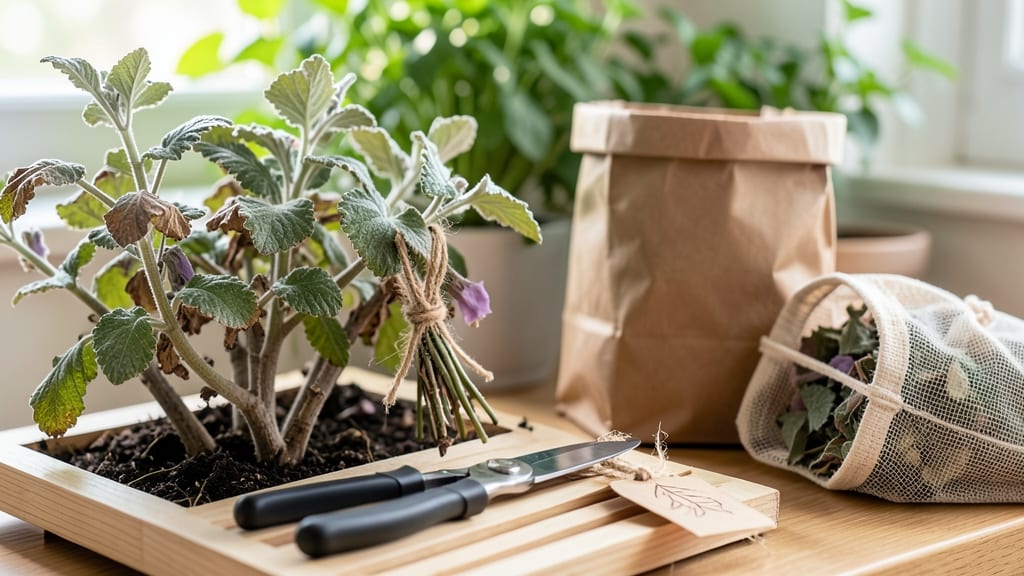
How to dry dead nettle transforms bundles into golden herbal medicine. ✨ Harvest stalks before seeds form, then bundle them with twine—this simple method preserves their medicinal properties perfectly for teas, tinctures, or compost. You’ll need thick gloves, sharp scissors, and a dry, airy space (garage or shed works great). Avoid direct sunlight—it bleaches the leaves—so opt for shade with good airflow. The drying process takes 2-3 weeks, but patience pays off with potent, crumbly stems ready for remedies. Once fully dry, store bundles in paper bags or jars away from moisture. The leaves will crumble easily, releasing their earthy aroma—ideal for immune-boosting teas or garden compost. Just avoid inhaling dust, as it can irritate lungs. This method works for any dead nettle variety, whether you’re growing it intentionally or clearing overgrown patches. Here’s how to do it right without wasting a single stalk!
📚 In This Guide
- What you need
- Instructions
- Tips and common mistakes
- Wrapping up and next steps
What you need
- ● Fresh dead nettle plants: Harvest mature but not wilted stems and leaves (avoid flowering tops if you want to preserve leaf potency). Aim for 1–2 pounds (or ~50–100 stems, depending on size).
- ● Sharp pruning shears or scissors: Clean, sterilized tools to avoid damaging plants or spreading disease. A 4–6 inch blade works best.
- ● String or twine: 10–20 feet of natural, untreated twine (jute or cotton) or rubber bands (for small bundles). Avoid synthetic materials that may trap moisture.
- ● Drying location: Outdoor option: A shady, well-ventilated area (e.g., porch, balcony, or garden trellis) with indirect sunlight and 50–70% humidity or lower.
- ● Indoor option: A cool, dark, and dry space (e.g., closet, pantry, or dehydrator) with good airflow (use a fan if needed).
- ● Paper bags or breathable cloth sacks: 2–4 brown kraft paper bags (or muslin sacks) to store dried nettle. Ensure they’re light-blocking to prevent mold.
- ● Dehydrator: Set to 95–115°F (35–46°C) for even drying if humidity is high or weather is unpredictable.
- ● Newspaper or parchment paper: To line surfaces and catch stray leaves during bundling.
- ● Labeling tags: Waterproof labels or twine tags to mark bundles with the date and purpose (e.g., "Tea – June 2024").
- ● Gloves: Thin gardening gloves if your hands are sensitive to nettle stings (even dead nettle can irritate!).
Step-by-step instructions for drying dead nettle
Here's how I turn fresh dead nettle into potent sun-dried bundles—no fancy equipment needed.
🌿 Step 1: Harvest at Peak Freshness
Pick dead nettle stems on a bright, dry morning after the morning dew has evaporated. Look for plants with fully developed leaves but before seeds form—this ensures maximum potency. I harvest about 12 inches of stem per bundle, cutting just above a leaf node to encourage new growth.
Shake the stems gently to remove dirt and insects, then give them a quick rinse under cool water if they're particularly dusty. Pat dry with a clean towel or let them air-dry briefly on a towel. Wet stems won't dry properly and may develop mold. You'll know they're ready when the leaves feel crisp and the stems snap cleanly rather than bend.
✂️ Step 2: Bundle Stems Properly
Gather 4-5 stems at a time and tie them tightly at the top with natural twine or even a rubber band. I like to use twine because it's biodegradable and won't leave residue. Space the stems evenly so they don't overlap—this allows air to circulate and speeds up drying.
Flip the bundle and tie another knot about 6 inches down to create a handle. This keeps the stems straight and prevents them from curling up during drying. Hang the bundles upside down immediately after tying. The natural sap will flow downward, concentrating the plant's medicinal properties in the leaves.
☀️ Step 3: Cure in Direct Sunlight
Find a spot with full sun exposure and minimal wind—like a balcony railing or clothesline. The ideal temperature range is 70-85°F during the day. I've found that dead nettle dries best when exposed to sunlight for 3-5 hours daily, then brought indoors at night to prevent moisture buildup.
Check the bundles after 3-4 days. The leaves should be crisp and brittle, turning from green to a pale golden-brown. If they still feel pliable or show any signs of moisture, continue drying for another day. Avoid drying in direct afternoon sun during hot weather—it can scorch the leaves and reduce potency.
🪴 Step 4: Store Properly for Long-Term Use
Once completely dry, remove the twine and break the stems into 1-2 inch pieces. Store them in an airtight glass jar away from direct light. I like to keep mine in a cool, dark pantry where the temperature stays consistent. Properly dried dead nettle will retain its medicinal properties for up to 1 year.
If you notice any mustiness or discoloration, discard those pieces immediately. The dried leaves should smell fresh and herbal, not stale or moldy. For best results, use within 6 months for maximum potency in teas or tinctures.
Tips & tricks for perfect sun-cured dead nettle
Here's what nobody tells you about getting the most out of your sun-drying process—these little details make all the difference.
Timing Secret: The 3-5 hours of daily sunlight is your sweet spot, but timing matters just as much as duration. Start drying in the morning when temperatures are cooler (ideally between 70-85°F) to avoid scorching. I've found that moving bundles indoors by mid-afternoon prevents nighttime moisture buildup that can ruin your harvest. If you're in a hot climate, consider partial shade during peak afternoon sun—just don't cut sunlight below 3 hours total.
Bundle Technique: That second knot at 6 inches isn't just for looks—it creates a natural drainage system. The sap flows downward, concentrating medicinal compounds in the lower leaves. I like to use untreated cotton twine because it's breathable and won't leave chemical residue. For larger batches, consider making smaller bundles (3 stems each) if you're working with thicker stems—they'll dry more evenly and faster.
Harvesting Insight: The crispness test is your best quality control. When stems snap cleanly rather than bend, you've got perfect harvest-ready material. I harvest just before seeds form because that's when the plant's medicinal compounds are at their peak. Pro tip: Harvest on a cloudy day if you must—just be prepared for slightly longer drying times. The leaves should feel dry to the touch before you even start bundling.
Storage Wisdom: That 1-year shelf life assumes perfect drying and storage conditions. For maximum potency, use within 6 months and store in a glass jar with a tight seal. I like to add a small piece of dried chamomile to my jars—it helps preserve freshness and adds a complementary herbal aroma. If you notice any mustiness, it's better to discard that batch entirely rather than risk mold spores contaminating your other dried herbs.
Pro Tips for Dry Dead Nettle
- Here's what nobody tells you about getting the most out of your sun-drying process—these little details make all the ...
- Timing Secret: The 3-5 hours of daily sunlight is your sweet spot, but timing matters just as much as duration. Start...
- Bundle Technique: That second knot at 6 inches isn't just for looks—it creates a natural drainage system. The sap flo...
Frequently asked questions
Got questions about drying dead nettle? You’re not alone!
Here are some of the most common queries—and straightforward answers—to help you master the process like a pro.
How long does it take to dry dead nettle?
Drying time depends on weather and method. In sun-drying, expect 3–7 days (longer if humid). For oven-drying, it’s 1–3 hours at 170°F (75°C). Test for dryness by crushing a leaf—it should crumble easily. Patience is key!
What if it rains while sun-drying?
Don’t panic! Move your bundles to a cool, dry, well-ventilated space (like a garage or shed) immediately. If dampness lingers, spread them out on a tray with a fan. Just avoid direct heat (like a heater), which can spoil the herbs.
Can I dry dead nettle in a dehydrator?
Set your dehydrator to 95–115°F (35–45°C) and arrange leaves in a single layer. Flip them halfway through (after 2–4 hours). Dehydrators speed up drying but may reduce some volatile oils—great for teas but less ideal for potent tinctures.
How do I store dried dead nettle?
Keep dried nettle in airtight glass jars or resealable bags away from light and moisture. Label with the date—it stays fresh for 6–12 months. For longer shelf life, add a silica gel packet or a bay leaf to deter pests.
What if my dried nettle smells musty?
A musty odor means mold or improper drying. Toss it immediately—moldy herbs can be unsafe. To prevent this, ensure proper airflow during drying and store in a cool, dark place. If you’re unsure, do a sniff test before use!
Wrapping up and next steps
Drying dead nettle is a simple yet rewarding process that unlocks its potential for herbal remedies, teas, or natural dyes. Whether you’re harvesting for medicinal use or preserving its vibrant properties, following the right steps ensures quality and potency.
Now that you’re equipped with the how-to, why not start small—grow a patch of dead nettle, dry a batch, and experiment with its many uses? Your herbal journey begins with just a few dried leaves! 🌿✨