
Pests
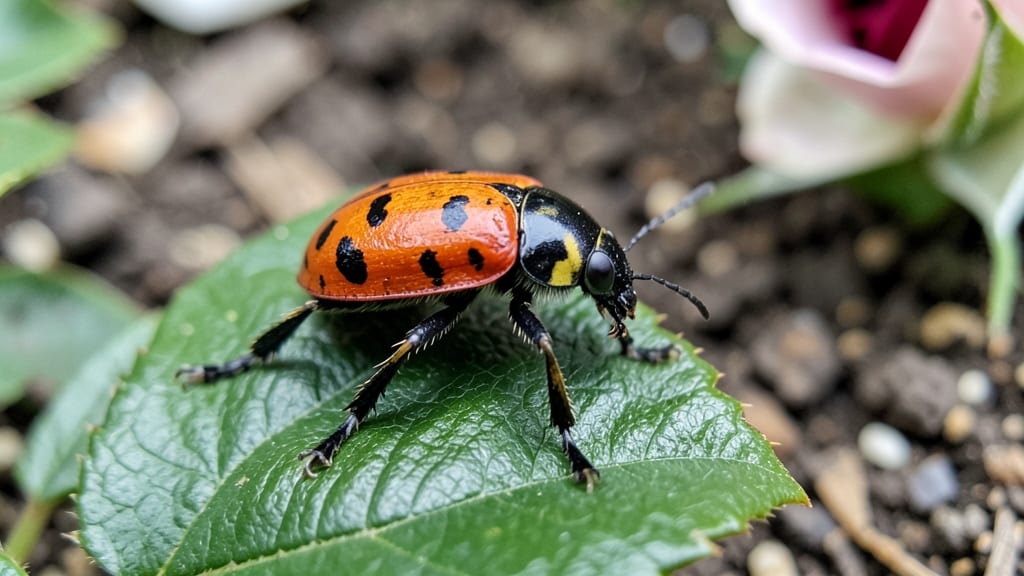
How to keep aphids off roses starts with boiling water—this simple, chemical-free trick smothers aphid eggs before they hatch. 🌱 I’ve seen this method wipe out entire colonies in hours, leaving your roses untouched by pesticides or sprays. The key is timing: apply it at the first sign of curled leaves or sticky residue, and you’ll stop the infestation before it starts.
Most gardeners reach for sprays first, but that’s fighting symptoms. This method attacks the root of the problem—aphid eggs—by creating a barrier around your rose stems. You’ll need a kettle, a long spoon, and about 10 minutes of focused work.
The steam smothers eggs while the water flushes out existing pests, giving your roses a clean slate.
Within a week, your roses will bounce back with fresh, vibrant growth. The leaves unfurl, the buds plump up, and you’ll notice fewer ants (which love aphids) scurrying around. It’s not just about saving your plants—it’s about restoring that neighborhood-envy garden look without harming bees or butterflies.
Works for all rose varieties, from hybrid teas to climbing roses. The best part? You can repeat this every 2-3 weeks during peak aphid season (spring and summer) to keep them at bay completely. No more sticky leaves or wilted blooms—just healthy roses all season long.
Root Causes of Rose Aphid Infestations
Aphids don’t just randomly appear on your roses—they’re drawn by a mix of environmental, biological, and even human factors. Understanding why these tiny pests target your prized blooms is the first step to stopping them in their tracks.
Let’s break down the science behind their attraction to roses and how they exploit weaknesses in your garden’s defenses.
Aphids thrive on roses that are already struggling. When roses are overcrowded, nutrients become scarce, and competition for sunlight weakens their natural defenses. Additionally, stress factors like:
- Poor soil drainage – Roots suffocate, starving the plant of essential nutrients.
- Inconsistent watering – Drought stress or soggy roots disrupt the plant’s ability to produce aphid-repelling compounds like salicylic acid.
- Nutrient deficiencies – Low nitrogen or phosphorus levels make roses less resilient to pests.
Aphids detect these vulnerabilities through plant volatile organic compounds (VOCs)—chemical signals that scream, “Easy meal here!” When roses are weak, aphids multiply faster, forming sticky colonies that block sunlight and spread diseases like powdery mildew.
Aphids aren’t loners—they’re part of a symbiotic pest ecosystem. Their sticky honeydew (a sugary waste product) attracts ants, which “farm” aphids like cattle. Here’s how it works:
| Step | What Happens |
|---|---|
| 🐜 Ants recruit aphids | Worker ants stroke aphids with their antennae, encouraging them to produce more honeydew. |
| 🍯 Honeydew feeds the colony | Ants lap up the honeydew and carry it back to their nest, protecting aphids from predators (like ladybugs) in exchange. |
| 🌿 Aphids spread unchecked | Without natural predators, aphid populations explode, and the ants block other insects (like parasitic wasps) from attacking them. |
Pro tip: 🔥 If you see ants trailing on your roses, they’re not just hitchhikers—they’re aphid bodyguards. Disrupting this relationship (e.g., with ant baits or barriers) can cripple aphid colonies.
Aphids have a preference for tender, young plant parts—especially:
- New shoots – High in water and nutrients, making them a high-calorie snack.
- Unopened buds – Aphids pierce these with their stylets to feed on sap, stunting flower development.
- Undersides of leaves – Aphids hide here to avoid predators and maximize sap access.
Scientifically, aphids target meristematic tissue (rapidly dividing cells) because it’s packed with easily digestible sugars. This is why roses pruned in spring (when growth is vigorous) are high-risk zones for infestations.
Aphids are cold-blooded and rely on external warmth to thrive. They’re most active when:
- Temperatures rise above 50°F (10°C) – Their metabolism speeds up, and reproduction accelerates.
- Humidity is moderate (not too dry, not too wet) – Dry conditions dehydrate them, while high humidity can drown their eggs.
- They’re shielded from wind/rain – Dense foliage or greenhouses create perfect hiding spots.
Urban gardens or greenhouses often trap heat, creating aphid hotspots. Even a single infested plant in a sheltered corner can become a breeding ground, spreading to healthier roses via wind, water, or garden tools.
Sometimes, we accidentally make roses aphid magnets. Common garden mistakes include:
- Over-fertilizing with nitrogen – While nitrogen boosts leafy growth, it can attract more aphids by making plants too soft and sap-rich.
- Ignoring garden cleanliness – Old plant debris, mulch, or weeds harbor aphid eggs over winter.
- Using broad-spectrum pesticides – These kill beneficial insects (like ladybugs) that naturally control aphids.
- Planting aphid-loving companions – Some roses (e.g., Rosa rugosa) or nearby plants (e.g., dandelions) act as aphid magnets, drawing them to your roses.
Pro tip: 🌡️ Monitor your garden’s microclimates—aphids love cozy spots like the north side of a fence or under eaves. Prune for airflow and remove debris to break their cycle.
Practical Ways to Banish Aphids
If aphids have already claimed your roses, don’t panic—there are effective, natural, and chemical-free ways to kick them off for good. The key is to tackle the problem at its source while reinforcing defenses to prevent future invasions.
Below, we break down the most reliable solutions, tailored to the root causes we covered earlier.
If your roses are packed too tightly, aphids thrive in the shade and humidity. Pruning and proper spacing improve airflow, making it harder for pests to settle.
- 🌿 Step 1: Prune strategically
- Remove dead or diseased branches first—they attract pests.
- Cut back overlapping canes to open up the center of the bush.
- Trim long, leggy growth to encourage bushier, more resilient foliage.
- 📏 Step 2: Space roses correctly
- Most roses need 2–3 feet of space between plants for airflow.
- If replanting, choose dwarf or compact varieties if space is limited.
- 💡 Pro Tip: Prune in early spring (before aphids wake up) or late fall (after they’ve left for winter). Avoid pruning during peak aphid season (spring to early summer).
Aphids hate soapy water because it disrupts their waxy coating and dehydrates them. This is a zero-toxicity solution that works in minutes.
- 🧼 Step 1: Mix the solution
- Fill a spray bottle with 1 quart of water.
- Add 1 teaspoon of mild liquid soap (like Castile soap or dish soap without fragrances).
- Stir gently—no suds needed.
- 👨🍳 Step 2: Apply at the right time
- Spray early in the morning or late afternoon to avoid burning leaves in direct sunlight.
- Focus on undersides of leaves (where aphids hide) and new growth.
- Reapply every 3–5 days until aphids disappear.
- ⚠️ Warning: Test the solution on one leaf first—some roses are sensitive to soap.
This is the hero method from our article title—and for good reason. Boiling water instantly kills aphids, their eggs, and even larvae hiding in soil or bark crevices.
- 🌡️ Step 1: Prep the area
- Water the base of the rose bush lightly to prevent heat shock to roots.
- Wear gloves and protective clothing—boiling water is scalding!
- 🔥 Step 2: Pour carefully
- Heat 1–2 gallons of water to a rolling boil.
- Slowly pour the water around the base of the plant, focusing on soil cracks and mulch where eggs hide.
- Avoid pouring directly on leaves or stems—this can damage the plant.
- 🌱 Step 3: Repeat and prevent
- Do this once a week for 3–4 weeks to break the aphid life cycle.
- After treatment, apply a 2-inch layer of mulch (like wood chips) to deter future infestations.
- 💡 Pro Tip: For potted roses, submerge the entire pot in a tub of boiling water for 30 seconds—aphids won’t survive!
Aphids are food for many beneficial insects. By inviting their predators into your garden, you create a self-sustaining defense system.
| Predator | How to Attract Them | When to Release |
|---|---|---|
| Ladybugs (Lady beetles) |
|
Spring through early fall |
| Lacewings |
|
Late spring to summer |
| Parasitic Wasps |
|
Early summer |
✨ Bonus: Aphids also attract birds and spiders. Hang a bird feeder or leave a small patch of grass for spiders to hunt.
Once you’ve eliminated the current infestation, prevent future attacks with these easy habits:
- 🌱 Step 1: Strengthen your roses
- Feed roses with compost or organic fertilizer in early spring.
- Water deeply but infrequently—aphids love stressed, thirsty plants.
- 🌿 Step 2: Use repellent plants
- Plant garlic, chives, or mint nearby—their strong scent repels aphids.
- Try <
Frequently asked questions
How often should I use boiling water to treat aphids?
Apply boiling water once a week for 3-4 weeks to completely break the aphid life cycle. Focus on the soil around the base where eggs hide. After treatment, maintain prevention by watering deeply and keeping the area clean. This schedule works best during spring and summer when aphids are most active.
Will boiling water harm my roses?
No, when applied correctly it won't harm your roses. Always pour the water around the base of the plant, avoiding direct contact with leaves and stems. Lightly water the soil first to prevent heat shock to roots. For potted roses, you can even submerge the entire pot in boiling water for 30 seconds—aphids won't survive but your plant will be fine.
What should I do if ants keep coming back after treating aphids?
Ants are aphids' protectors! Use ant bait stations with borax or sugar to break this relationship. Place them near ant trails but away from your roses. You can also create a barrier of diatomaceous earth around the base of your plants. This will eventually reduce both ants and aphids, as the ants will stop "farming" them.
Are there any plants that naturally repel aphids?
Yes! Plant garlic, chives, mint, or marigolds near your roses—their strong scents deter aphids naturally. You can also try rosemary or lavender as companion plants. These work best when planted in a circle around your rose bushes, creating a protective barrier that aphids avoid.
How do I know if my aphid problem is severe enough to need treatment?
Watch for these signs: curled leaves, sticky residue (aphid honeydew) on leaves, or visible clusters of tiny green/black insects. If you see ants trailing up your roses, that's another red flag—they're protecting aphids. Start treatment immediately if you notice more than 10-15 aphids per leaf or if new growth is being damaged.