
Pests
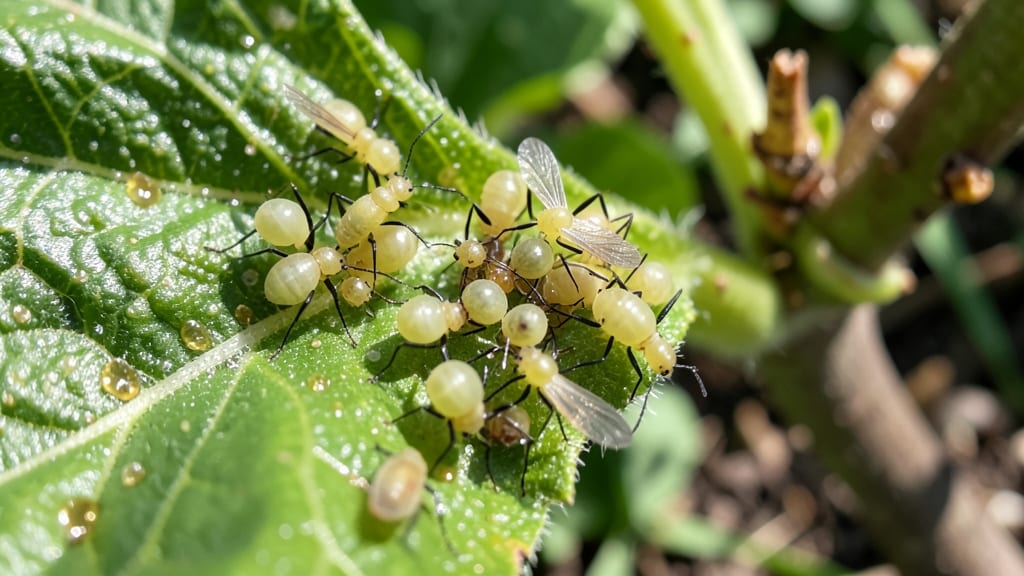
How to control aphids on the trees covered in sticky sap and tiny green bugs—aphids—can be done fast with organic sprays that work within 24 hours without harming your yard’s ecosystem. The key is acting fast: a strong blast of water dislodges them instantly, while neem oil or insecticidal soap smothers their waxy shells. I’ve used these on fruit trees, maples, and even my struggling rose bushes—no more sticky leaves or curled foliage. By encouraging ladybugs and lacewings (their natural predators), you’ll break the aphid cycle for good. The first spray knocks them back, but a healthy tree keeps them from returning. Works for fruit trees, ornamentals, and shrubs alike—no harsh chemicals needed. Let’s get your trees back to thriving in no time.
Why it happens
H2: Root Causes Of Tree Aphids
Aphids may seem like a random nuisance, but their infestations on trees are rarely accidental. Understanding why these tiny sap-suckers thrive—and how your environment may be inviting them—is the first step to stopping them in their tracks.
Here’s a breakdown of the key factors that turn your trees into aphid buffets.
🌱 Overcrowded Or Stressed Trees
Aphids are drawn to trees that are already struggling. When trees experience nutrient deficiencies, poor soil health, or root damage, their weakened defenses make them prime targets. Here’s how it happens:
- Nitrogen deficiency: Aphids love trees with soft, nutrient-rich new growth—often a sign of excess nitrogen. While nitrogen is essential, too much (from fertilizers or organic matter like grass clippings) signals to aphids that the tree is an easy meal.
- Water stress: Both overwatering and drought weaken trees. Overwatering leads to soggy roots and fungal issues, while drought causes trees to produce more sugary sap—a aphid’s favorite snack.
- Competition for resources: Trees in dense plantings or shaded areas compete for sunlight and water, making them more susceptible to pests like aphids.
Actionable insight: Healthy trees resist aphids better. Conduct a soil test to check pH and nutrient levels, and adjust watering to keep roots moist but not waterlogged.
🌿 Attractive Host Plants
Aphids aren’t picky—they’ll feast on nearly any plant, but some trees are like all-you-can-eat buffets. Fast-growing, tender-leaved trees (like willows, maples, and fruit trees) are particularly vulnerable because their sap is high in sugars and low in defensive compounds.
Even ornamental trees, such as roses or lilacs, can become aphid magnets due to their soft, new growth.
Additionally, aphids often target trees that are already hosting ant colonies. Ants "farm" aphids, protecting them in exchange for their honeydew—a sticky byproduct of sap-sucking. If you spot ants crawling up your tree, aphids are likely nearby.
🌍 Climate And Seasonal Triggers
Aphids thrive in specific conditions, and their life cycles are tightly linked to weather patterns. Here’s how climate plays a role:
| Factor | How It Helps Aphids |
|---|---|
| Warm springs | Mild winters and early warmth allow aphids to reproduce exponentially faster. Some species, like the green peach aphid, can go from egg to adult in just 7–10 days in ideal conditions. |
| High humidity | Moist air slows down natural predators (like ladybugs) and prevents aphid populations from drying out. It also encourages fungal growth on honeydew, creating a sticky mess that further stresses the tree. |
| Dry, windy conditions | While aphids dislike strong winds, they spread rapidly via windborne winged adults. A single infestation can hitchhike to nearby trees in just days. |
Pro tip: Monitor aphid activity during spring and early summer—these are peak breeding seasons. If you notice clusters of aphids, act fast before they multiply.
🐞 Lack Of Natural Predators
Aphids are part of a delicate ecosystem. In balanced environments, predators like ladybugs, lacewings, parasitic wasps, and birds keep their populations in check. But when these predators disappear, aphids take over. Common reasons for predator loss include:
- Pesticide use: Broad-spectrum insecticides kill both aphids and their natural enemies, creating a vacuum that aphids rush to fill.
- Habitat destruction: Removing ground cover, weeds, or nearby flowering plants eliminates food and shelter for predator insects.
- Urbanization: Fewer birds and beneficial insects thrive in heavily treated or paved landscapes.
Key takeaway: If your tree is aphid-free but nearby "wild" areas have them, the issue might be a lack of predator support. Encourage biodiversity with native plants and avoid harsh chemicals.
🌿 Human Activities That Invite Them
Sometimes, aphids arrive thanks to us. Unintentional actions like:
- Moving infested plants: Buying or transplanting trees/shrubs with hidden aphid eggs or nymphs introduces them to your garden.
- Poor sanitation: Leaving aphid-infested plant debris (like fallen leaves or pruned branches) near healthy trees gives them a foothold.
- Over-fertilizing: Excessive nitrogen or phosphorus creates lush, aphid-friendly foliage.
- Ignoring early signs: Small clusters of aphids can explode into full-blown infestations in weeks if left unchecked.
Prevention tip: Inspect new plants thoroughly before bringing them home, and remove any aphids or webbing you spot during quarantine.
Quick Fixes for Aphid-Infested Trees
Aphids may be tiny, but their damage adds up fast—sticky residue, wilted leaves, and weakened trees can turn your garden into a battleground if left unchecked. The good news? You don’t need harsh chemicals to win.
Below, we’ve mapped out practical, organic solutions tailored to the root causes of aphid outbreaks, from overcrowded trees to nutrient deficiencies. Plus, we’ll share prevention tips to keep these pests from crashing your garden party again.
---
Aphids love weak trees—think of them as squatters moving into a run-down house. Give your trees room to breathe and strengthen their defenses.
🔥 Fix It: - 🍳 Prune like a pro: Trim back dense foliage to improve airflow. Focus on new growth (aphids adore tender shoots!) and remove heavily infested branches—bag and dispose of them far from your garden to avoid spreading eggs. - 👨🍳 Feed the roots: Aphids thrive when trees are nutrient-starved. Boost soil health with compost or a balanced organic fertilizer (like fish emulsion or seaweed extract). Aim for nitrogen-rich feeds in early spring to encourage lush, aphid-resistant growth. - 🥘 Water wisely: Deep, early-morning watering** (1–2 inches per week) reduces stress. Avoid overhead sprinklers—they create sticky honeydew conditions aphids love.
💡 Prevention Pro Tips: - ✨ Space trees properly (follow spacing guidelines for your species) to prevent overcrowding. - 🌡️ Monitor for pests early:** Check undersides of leaves weekly—catch aphids before they multiply!
---
Honeydew isn’t just gross—it’s an aphid invitation card for mold and ants. Break the cycle with these quick fixes.
🔥 Fix It: - 🔪 Blast them off: Use a strong stream of water (hose nozzle on "jet" setting) to dislodge aphids from leaves and trunks. Do this early in the day so trees dry quickly. - 🧼 Scrub stubborn residue: Mix 1 tbsp mild dish soap + 1 quart water in a spray bottle. Test on a small leaf first, then wipe down honeydew-covered areas with a soft cloth or sponge. - 🐜 Disrupt ant highways: Ants "farm" aphids for honeydew. Set borax bait stations (1 part borax, 3 parts sugar, 4 parts water) near infested trees to deter them.
💡 Prevention Pro Tips: - 🎯 Install sticky traps near trees to catch winged aphids before they land. - 🌿 Plant companion herbs like mint, basil, or lavender—their strong scents repel aphids naturally.
---
Aphids and ants have a symbiotic relationship—ants protect aphids in exchange for honeydew. Disrupt this teamwork to weaken the infestation.
🔥 Fix It: - 🍄 Introduce natural predators: Ladybugs, lacewings, and parasitic wasps devour aphids. Buy them online or attract them with dill, fennel, or marigolds. - 🧲 Use kaolin clay: Sprinkle food-grade diatomaceous earth or kaolin clay around tree bases to create a barrier ants avoid. - 🚫 Remove ant nests: If ants are building nests on your tree, pour boiling water into their entry points (early morning) or use orange oil spray (a natural ant killer).
💡 Prevention Pro Tips: - 🌿 Keep grass short under trees to eliminate ant hiding spots. - 🔥 Avoid over-fertilizing—excess nitrogen attracts both ants and aphids.
--- Aphids exploit trees with poor immune systems. Build resilience with these preemptive strikes.
🔥 Fix It: - 💊 Spray with neem oil: Mix 1 tbsp neem oil + 1 tsp mild soap + 1 quart water. Spray infested areas and undersides of leaves every 5–7 days** until aphids vanish. Neem disrupts aphid life cycles and deters future attacks. - 🍎 Try garlic or chili spray: Blend 3 garlic cloves + 1 tbsp cayenne pepper + 1 quart water. Strain and spray—aphids hate the smell and avoid treated leaves. - 🌿 Add beneficial microbes: Apply mycorrhizal fungi or compost tea to the soil. These boost root health, making trees less appealing to pests.
💡 Prevention Pro Tips: - 📊 Rotate sprays (neem, soap, garlic) to prevent aphid resistance. - 🌡️ Mulch with wood chips** to regulate soil temperature and reduce stress.
--- For severe infestations, these 24-hour solutions deliver results without harming your garden.
| Spray | How to Use | Why It Works | |-------------------------|---------------------------------------------------------------------------------|-------------------------------------------| | Insecticidal Soap | Mix 2.5 tbsp castile soap + 1 gallon water.
Spray directly on aphids. | Kills on contact by disrupting cell membranes. | | Horticultural Oil | Apply early morning/late evening when temps are 50–85°F. | Smothers aphids and eggs without residue. | | Pyrethrin Spray | Use chrysanthemum-based spray (follow label). | Neurotoxic to aphids—kills fast but use sparingly. |
⚠️ Always test sprays on a small leaf first and avoid spraying when bees are active.
--- Check these boxes to keep aphids off your trees for good: - [ ] Inspect trees weekly (especially new growth). - [ ] Remove old mulch and debris (aphids hibernate in leaf litter). - [ ] Encourage birds and beneficial insects with native plants. - [ ] Avoid overwatering—aphids love damp, crowded conditions. - [ ] Prune in late winter/early spring to remove overwintering eggs.
--- 🎯 Final Thought: Aphids are a nuisance, but with targeted fixes and preventive care, you can reclaim your trees—naturally and quickly. Start with one or two methods this week, and watch those pests pack their bags!
Frequently asked questions
Why do aphids always come back after I treat them?
Aphids often return because they thrive on stressed trees or because their natural predators (like ladybugs) are missing. Check if your tree needs better nutrition, proper watering, or less crowding. Also, avoid harsh chemicals that kill beneficial insects—focus on organic sprays like neem oil and encourage biodiversity in your garden.
Can I use vinegar to kill aphids on trees?
While vinegar can kill aphids on contact, it's not ideal for trees. The acidity can damage leaves and harm beneficial insects. Instead, use a diluted mix of 1 tbsp mild dish soap + 1 quart water—it's gentler and just as effective when sprayed directly on aphid clusters.
How do I know if my tree has aphids or just needs water?
Look for these signs: curled leaves, sticky honeydew on branches, or tiny green/black bugs clustered on new growth. If your tree only shows wilting or yellowing without these signs, it's likely thirsty. Check soil moisture by sticking your finger 2 inches deep—if dry, water deeply but avoid soaking the leaves.
Are there any aphid-resistant tree varieties?
Some trees naturally repel aphids better than others. Consider planting oak, pine, or hawthorn varieties—they have tougher leaves that aphids avoid. For fruit trees, peach and cherry varieties with fuzzy leaves (like 'Elberta' peaches) are less appealing. Always research before planting!
What's the fastest way to stop ants from protecting aphids?
Disrupt their partnership by removing ant nests with boiling water or orange oil spray. Also, apply a barrier of kaolin clay around tree bases—ants avoid crossing it. For immediate results, mix 1 part borax + 3 parts sugar + 4 parts water as bait to lure them away from your trees.