
Companion Plants
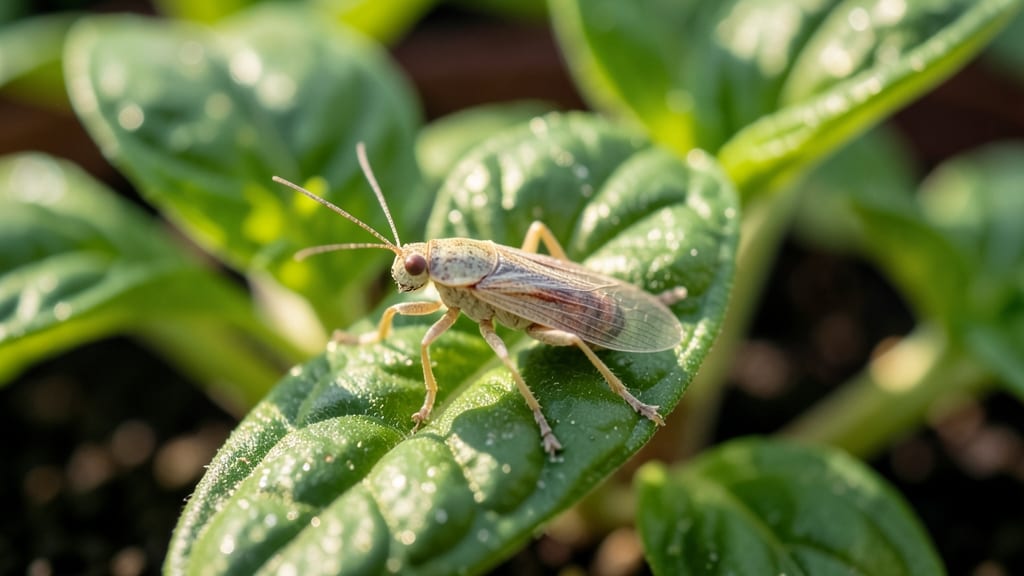
How to keep bugs off basil plants—before they turn your fresh leaves into a chewed-up mess in days. 🌿 I’ve lost entire pots to aphids and spider mites—until I discovered this neem oil spray trick that stops them cold within hours. The secret isn’t complicated: it’s about disrupting their life cycle before they multiply. Most gardeners reach for pesticides first, but that kills beneficial bugs too. Instead, I rely on neem oil’s natural compounds, which smother pests on contact while being safe for people and pollinators. Pair it with proper spacing (12–18 inches between plants) and companion plants like marigolds or garlic, and you’ll see fewer pests and bigger harvests. By next week, your basil will be vibrant green, not skeletonized. The spray works fast, but the real win is how it keeps bugs away for weeks—no more daily checks for tiny invaders. Here’s exactly how to mix and apply it without overdoing it. Here’s the thing—neem oil isn’t just a spray, it’s a preventive shield. I start treating basil before I see bugs, and that’s when it works best. The oil disrupts their feeding and reproduction, so even if a few stragglers land on your plants, they won’t stick around. Plus, it’s chemical-free, meaning your kitchen herbs stay safe for cooking. The best part? This method works for all common basil pests—aphids, whiteflies, and even those pesky spider mites that turn leaves yellow. No more wilting plants or bitter-tasting leaves from stress. Just healthy, fragrant basil that’s ready for pesto or salads whenever you want it.
Root Causes of Basil Bugs
Basil plants are a magnet for pests—not because they’re weak, but because they’re nutrient-rich, tender, and irresistible to hungry insects. Understanding why bugs target your basil is the first step to stopping them in their tracks.
Below, we break down the real reasons behind the infestation, from environmental triggers to plant biology.
Basil emits a powerful aromatic compound called eugenol, which gives it that signature sweet, spicy scent. While this makes your pesto irresistible to you, it’s also a dinner bell for:
- Whiteflies – These tiny, moth-like insects are drawn to basil’s volatile organic compounds (VOCs), which they detect from up to 3 feet away.
- Japanese beetles – Their sharp sense of smell helps them locate basil in mere seconds, especially when the plant is stressed or flowering.
- Aphids – The sugary honeydew basil produces (when stressed) acts like a neon sign for aphids and ants.
Science note: Studies show that eugenol is so potent that it can even repel some beneficial insects—like bees—when overproduced. But for pests? It’s an all-you-can-eat buffet. 🍽️
Basil thrives in warm, humid conditions—but so do many of its biggest pests. Here’s how climate plays a role:
| Pest | Why They Love Heat/Humidity | Danger Zone |
|---|---|---|
| Spider mites | Dry heat (<70°F) stresses basil, making it less resilient to their piercing mouthparts. High temps also speed up their reproduction cycle. | Above 85°F + low humidity (<40%) |
| Fungal gnats | Moist soil and stagnant air create the perfect breeding ground for their larvae, which feed on root hairs. | Soil moisture >60% + stagnant air |
| Cabbage worms | Warm nights (>75°F) trigger their mating and egg-laying behavior, often targeting basil after dark. | Nighttime temps 75–85°F |
Pro tip: If your basil is in a greenhouse or container, stagnant air traps heat and humidity—ideal for pests. Use a fan on low (5–10 mins/day) to disrupt their comfort zone. 💨
Basil isn’t just a snack—it’s a stress magnet for pests when it’s not at its best. Common stressors include:
- Poor air circulation – Crowded plants or dense foliage trap moisture, inviting fungal gnats and powdery mildew (which aphids love).
- Nutrient deficiencies – Lack of nitrogen or potassium makes basil softer, making it easier for beetles to chew through leaves.
- Overwatering – Soggy roots attract root-knot nematodes, while wet leaves become breeding grounds for whiteflies.
- Flowering – When basil bolts (sends up a flower stalk), it signals to pests like Japanese beetles that the plant is ripe for feeding.
Science deep dive: Stressed basil plants release volatile distress signals that pests detect as an invitation. Think of it like a plant’s version of a “help, I’m weak!” scream. 🚨
Basil’s natural defenses often rely on predatory insects like ladybugs, lacewings, and parasitic wasps. But if these helpers aren’t around, pests move in. Common reasons:
- Pesticide use – Even organic sprays can kill beneficial bugs before pests arrive.
- Monoculture gardening – Planting only basil (no companion plants like marigolds or dill) leaves no food for predator insects.
- Seasonal timing – Early spring or late fall may mean fewer predators are active to keep pests in check.
Quick fix: Plant basil near herbs like dill, cilantro, or marjoram—these attract predator insects naturally. 🐞
Quick Fixes for Basil Bug Battles
Now that you know why pests target your basil, let’s tackle them head-on with easy, effective solutions—no fancy tools or chemicals required. Below, we’ve mapped common basil pests to their fixes, plus preventive habits to keep your plants thriving. 🌿✨
Fix: These sap-sucking pests cluster on stems and leaves. Squish and spray is your best defense:
- 🔥 Manual Removal: Crush aphids with your fingers (gross but satisfying) or blast them off with a strong stream of water from a hose.
- 🍳 Soapy Water Spray: Mix 1 tsp mild dish soap + 1 quart water in a spray bottle. Test on a leaf first—soap can burn delicate foliage. Spray directly on pests (not just leaves) every 3–4 days until gone.
- 👨🍳 Neem Oil Barrier: Spray neem oil (1 tbsp + 1 tsp soap per quart water) on both sides of leaves at dusk. Reapply after rain. Pro tip: 💡 Neem oil disrupts aphid life cycles—prevents regrowth!
Prevent: Attract ladybugs (natural predators) by planting marigolds or dill nearby. 🌼
Fix: These tiny red/yellow dots thrive in dry heat and spin webs on undersides of leaves.
- 🌡️ Increase Humidity: Place a shallow tray of water + pebbles under pots or mist leaves daily (early morning).
- 🔪 Scrub Off Webs: Dip a soft toothbrush in soapy water and gently scrub webs away. Repeat weekly.
- 🥘 Blasting Water: Use a hose nozzle to rinse mites off—do this 2x/week during outbreaks.
- ✨ Neem Oil Rescue: Spray neem oil mix (as above) every 5–7 days until webs disappear.
Prevent: Mulch around plants to retain moisture and avoid over-fertilizing (nitrogen attracts mites). 🌱
Fix: These fluttering pests weaken plants by draining sap. Trap and suffocate them!
- 🕯️ Yellow Sticky Traps: Hang yellow cards coated with petroleum jelly near plants. Whiteflies are drawn to yellow and get stuck. Replace traps weekly.
- 🍳 Alcohol Spray: Mix 1 part rubbing alcohol + 3 parts water in a spray bottle. Dab (don’t spray!) infested leaves—alcohol kills on contact.
- 👨🍳 Neem Oil + Kaolin Clay: Spray neem oil and dust leaves with kaolin clay (a natural repellent). Reapply after rain.
Prevent: Isolate new plants for 2 weeks before adding to your garden. Whiteflies hitchhike! 🚫
Fix: These larvae tunnel inside stems, causing wilting. Cut them out before they spread.
- 🔪 Prune Infested Stems: Use sterilized scissors to snip 1 inch below damaged areas. Dispose of clippings (don’t compost!).
- 🌡️ Soil Treatment: Drench soil with 1 part hydrogen peroxide (3%) + 9 parts water. This smothers larvae without harming plants.
- 🥘 Diatomaceous Earth: Sprinkle food-grade DE around the base of stems. It’s non-toxic but deadly to borers (reapply after watering).
Prevent: Rotate crops—don’t plant basil in the same spot yearly. Borers overwinter in soil. 🌍
Keep pests from crashing your basil party with these low-effort habits: - 💡 Companion Planting: Grow basil with tomatoes, peppers, or oregano—these repel pests naturally. - 🌡️ Consistent Watering: Dry soil = stress = pest magnets.
Water at the base (not leaves) to avoid fungal issues. - 🌱 Healthy Soil = Happy Plants: Use compost or worm castings for strong, pest-resistant basil. - 🕵️ Weekly Inspections: Check undersides of leaves and stems for early signs of trouble. Catch pests early!
Remember: Most fixes take 3–7 days of consistent effort. Neem oil is your secret weapon—it’s safe, fast, and prevents regrowth. Once your basil is pest-free, harvest regularly to encourage new growth (and more flavor!). 🍃🔥
Frequently asked questions
Why does my basil keep getting bugs even after I spray it?
Pests often return if you’re not treating the roots of the problem. Many sprays only kill visible bugs, but eggs or larvae remain hidden. Always spray both sides of leaves and reapply after rain. Also, check for stressors like overcrowding or nutrient deficiencies—these attract pests like magnets.
Can I use regular dish soap on my basil plants?
Only mild, fragrance-free dish soap in small amounts—1 teaspoon per quart of water max. Harsh soaps or too much can burn leaves. Always test on one leaf first, and rinse off after 30 minutes to prevent residue buildup. Neem oil is a safer long-term alternative.
How often should I check my basil for pests?
Inspect your plants 2-3 times per week, focusing on leaf undersides and stems where pests hide. Early detection is key—catching aphids or mites before they multiply saves your harvest. If you see damage, treat immediately and check again in 3-5 days to monitor progress.
Will companion plants really work, or is that just folklore?
Science backs it up! Plants like marigolds, garlic, or thyme release compounds that repel pests while attracting beneficial insects. Studies show marigolds alone can reduce aphid populations by up to 70%. The key is planting them within 2 feet of your basil for maximum effect.
Is neem oil safe to use right before harvesting?
Wait 24-48 hours after spraying before harvesting to let any residue settle. While neem oil is food-safe, the strong taste may linger briefly. For immediate harvests, use soapy water sprays instead—they rinse off completely within 1 hour.