
Propagation
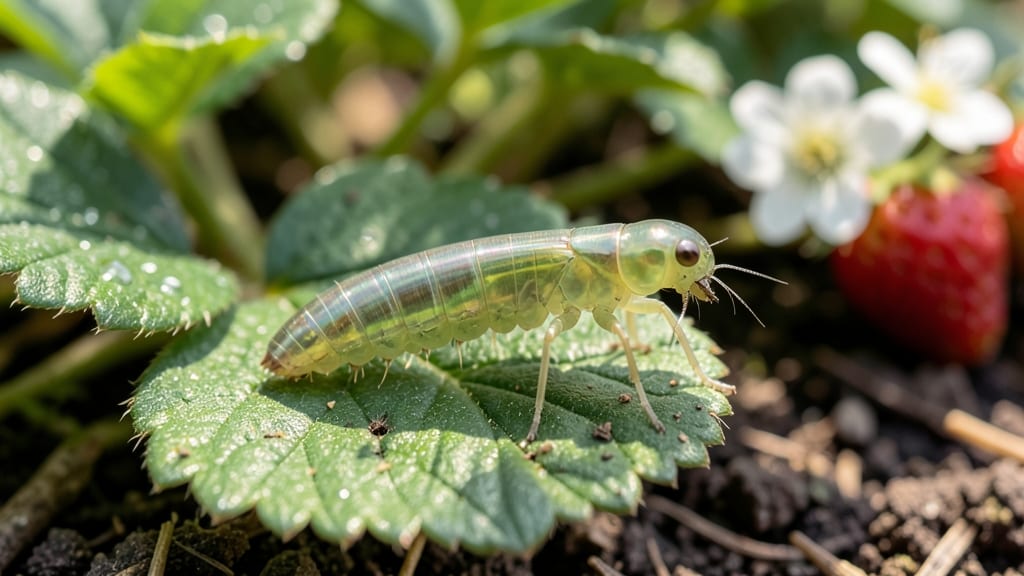
How to keep bugs away from strawberries—strawberry plants fight a constant battle against pests like aphids, slugs, and beetles, which can wipe out your harvest before you even taste that first ripe berry. 🌱 The diatomaceous earth method is my go-to because it works fast, stays organic, and won’t harm your plants if applied correctly. I’ve saved entire beds from destruction using just a fine powder and a simple technique.
This approach targets pests at their weakest point—their exoskeletons—while keeping your strawberries safe. You’ll need food-grade diatomaceous earth (not pool-grade), a duster or fine-mesh sieve, and a light layer of mulch to protect your plants from wind.
The key is timing: apply it after watering, when the soil is damp but not soggy, so the powder sticks where pests crawl.
Within days, you’ll see fewer aphids clinging to leaves and slug trails disappearing from the soil. The best part? It’s a preventive shield that lasts through rain (though you’ll need to reapply after heavy downpours).
Your strawberries stay lush, the birds leave them alone, and you avoid the chemical residue that can linger on berries.
For maximum protection, combine this with companion planting—garlic and chives nearby confuse pests—while avoiding overwatering, which attracts slugs. The method works year-round, but early spring and late summer are critical for stopping infestations before they start. Trust me, your next harvest will thank you.
📚 In This Guide
- What you need
- Instructions
- Tips and common mistakes
- Wrapping up and next steps
What you need
- ● Food-grade diatomaceous earth (DE): 1–2 pounds (depends on garden size). Look for 99% pure DE labeled for organic gardening.
- ● Fine-mesh sieve or sifter: A ¼-inch mesh strainer to evenly distribute DE without clumping.
- ● Dust mask (N95 or higher): Protects lungs from fine DE particles—non-negotiable!
- ● Gloves (nitrile or cotton): Prevents skin irritation and keeps hands clean.
- ○ Water spray bottle (optional but helpful): Light misting can activate DE’s effectiveness.
- ● Compost or mulch: 2–3 inches to lock in moisture and reduce DE spread.
- ● Neem oil or garlic spray: 1–2 sprays post-DE for extra pest deterrence.
- ● Garden twine or stakes: To create physical barriers (e.g., row covers) if bugs are persistent.
- ● Timer or weather app: To apply DE early morning (before dew dries) for best results.
Step-by-step instructions for using diatomaceous earth to protect strawberries
Here's how I keep my strawberry patch thriving without chemicals—just a simple, natural barrier that works for months.
🌱 Step 1: Choose the Right Diatomaceous Earth for Strawberries
Not all diatomaceous earth is created equal. Grab food-grade diatomaceous earth—it's the only type safe for edible plants. Avoid pool-grade, which is toxic. I like to buy it in a 5-pound bag because it lasts through multiple harvests. Keep it in a sealed container to prevent moisture from reducing its effectiveness.
This powder works by dehydrating insects, so it's completely harmless to your strawberries but deadly to pests like slugs, aphids, and beetles. The key is applying it dry—never mix it with water first. That's how it loses its sharp edges that puncture insect exoskeels.
✂️ Step 2: Clear Existing Pests and Debris Before Application
Before you dust, give your strawberry bed a quick inspection. Remove any visible pests by hand—slugs, earwigs, and beetles will all fall prey to the DE. Pull weeds and clear fallen leaves, which can harbor hidden insects. I use a small hand trowel to gently lift mulch and check underneath plants where pests love to hide.
Wait until a dry morning with no rain forecast for at least 24 hours. Wet conditions will clump the powder and make it ineffective. This is also the best time to apply because morning dew has already dried, and pests are most active when the sun warms up.
💧 Step 3: Apply the Diatomaceous Earth in Strategic Layers
Start by creating a 1-inch band of diatomaceous earth around the base of each strawberry plant, forming a complete circle. Use about 1 tablespoon per plant for a standard 4-plant bed. For larger patches, apply a thin, even layer over the entire soil surface between plants—this prevents crawling pests from reaching the berries.
Gently work the powder into the top ¼ inch of soil using your fingers or a small rake. This ensures it makes contact with pests as they move through the bed. Avoid blowing it with a duster—you'll create clouds that can harm beneficial insects like bees. I like to use a small sieve to distribute it evenly without overapplying.
☀️ Step 4: Reapply After Rain or Every 2-3 Weeks
Rain will wash away the diatomaceous earth, so check your strawberries after heavy rainfall and reapply immediately. I set a reminder every 2-3 weeks to refresh the barrier, especially before the peak fruiting season when pests are most active. A quick visual check—if the powder looks grayish instead of white, it's time to reapply.
Here's the thing—this method works best as part of an integrated approach. I also use straw mulch around the plants to deter slugs and row covers at night when beetles are most active. The DE handles what the mulch misses, and together they create an almost impenetrable defense.
🪴 Step 5: Monitor and Adjust for Best Results
Keep an eye on your strawberries for signs of pest activity. Look for chewed leaves, tiny holes in berries, or slimy trails—these mean it's time to reapply. I check my plants every 3-4 days during peak growing season. If you notice aphids clustering on new growth, spot-treat those areas with a neem oil spray while keeping the DE barrier intact.
This method is completely safe for harvest—just rinse berries thoroughly before eating. The powder won't harm you, but it's still best to wear a dust mask when applying to avoid inhaling the fine particles. Store any leftover DE in a sealed container away from moisture to keep it potent for next season.
Tips & tricks for natural strawberry pest protection
These small adjustments make all the difference between a thriving strawberry patch and one that's constantly under siege.
Selection Tip: When choosing food-grade diatomaceous earth, look for brands labeled specifically for gardening or organic pest control. The particle size matters—finer grades work better for soil applications. I've found that brands with a "micronized" label create a more effective barrier. Store your DE in a sealed glass jar with a tight lid to maintain its potency, especially in humid environments where moisture can reduce its effectiveness.
Timing Secret: The 24-hour dry period before application is non-negotiable. I've learned this the hard way after applying DE right before a surprise rainstorm—it turned into a useless paste. Check your local weather forecast for the next 48 hours before applying. Morning applications work best because pests are most active when temperatures rise, and the powder has the full day to settle into the soil before evening dew forms.
Application Technique: For the 1-inch band around each plant, I use a small plastic spoon to create a neat, continuous circle. This prevents gaps where pests could sneak through. When working the powder into the top ¼ inch of soil, think of it like dusting a cake—lightly but thoroughly. Too much pressure can compact the soil and reduce effectiveness. A small hand rake works perfectly for this without disturbing the plants' roots.
Visual Cue: After reapplying, the powder should look like a fine white dust on the soil surface. If it appears grayish or clumpy, it's lost its effectiveness and needs refreshing. I keep a small jar of fresh DE handy for quick touch-ups. The white color is your indicator that the sharp edges are still intact and ready to do their job protecting your strawberries.
Pro Tips for Keep Bugs Away From Strawberries
- These small adjustments make all the difference between a thriving strawberry patch and one that's constantly under s...
- Selection Tip: When choosing food-grade diatomaceous earth, look for brands labeled specifically for gardening or org...
- Timing Secret: The 24-hour dry period before application is non-negotiable. I've learned this the hard way after appl...
Frequently asked questions
Got questions about keeping bugs away from your strawberries—especially with natural methods like diatomaceous earth? You’re not alone! Here are some of the most common concerns and straightforward answers to help you protect your harvest effortlessly.
What’s the best time of day to apply diatomaceous earth to strawberries?
Apply diatomaceous earth (DE) on a dry, calm morning when dew has evaporated but before the sun gets too intense. This ensures the dust sticks to pests like aphids and slugs while avoiding clumping from humidity. Avoid windy days—it’ll just blow away!
Will diatomaceous earth harm bees or other pollinators if I use it near strawberries?
Yes, DE can harm bees and beneficial insects like ladybugs. Apply it only at dusk or dawn when pollinators are less active, and avoid spraying it directly on flowers. For extra safety, use a fine-mesh duster to target soil and leaf undersides where pests hide.
How long does it take for diatomaceous earth to work on strawberry pests?
DE starts working within 48 hours for soft-bodied pests (like aphids) and 3–7 days for crawling insects (slugs, earwigs). Reapply after rain or every 2–3 weeks for continuous protection. Patience is key—consistency beats one-time treatment!
Are there other natural alternatives if diatomaceous earth isn’t available?
Try these DIY bug-repelling tricks:
- Neem oil spray: Mix 1 tbsp neem oil + 1 tsp dish soap in 1 quart water; spray on leaves (test on a few first!).
- Coffee grounds: Sprinkle around plants to deter slugs and ants (bonus: enriches soil!).
- Garlic/chili spray: Blend 2 garlic cloves + 1 chili pepper in water; strain and spray (pests hate the smell!).
- Row covers: Lightweight fabric over plants blocks flying pests like berry flies.
My strawberries still have bugs after using DE—what should I do?
If pests persist, rotate methods:
- Check for hidden pests (like under leaves or in soil crevices) with a magnifying glass.
- Increase DE frequency or switch to a commercial insecticidal soap (follow label instructions).
- Inspect plants for disease (yellowing leaves, mold) that might attract pests.
- Encourage natural predators like ladybugs or nematodes by planting companion flowers (e.g., marigolds).
Sometimes, environmental factors (like overwatering) invite bugs—adjust care routines as needed!
Wrapping up and next steps
Keeping bugs away from your strawberries doesn’t have to be a battle—with diatomaceous earth and a few simple steps, you can protect your harvest naturally and effectively. 🌱 This gentle yet powerful method ensures your plants thrive without harsh chemicals, giving you delicious, pest-free berries all season long.
Ready to take action? Start by applying your diatomaceous earth treatment this week, and don’t forget to reapply after rain or watering. Your strawberry patch—and your taste buds—will thank you! For even more tips, explore our guide on companion planting to create a bug-resistant garden ecosystem. 🍓✨