
How To
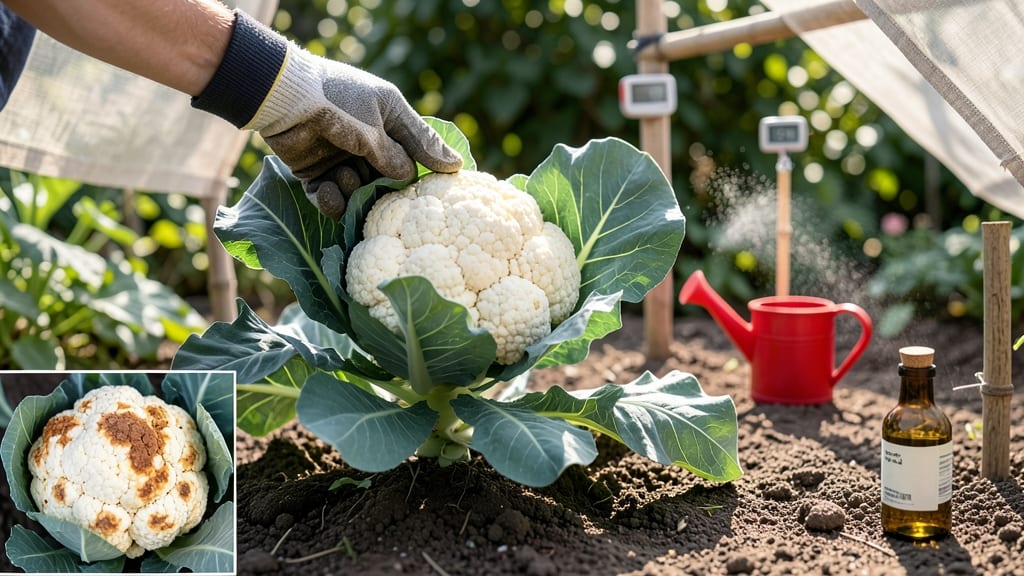
Cauliflower turning brown? That dull, lifeless look ruins the whole harvest. 🌿 I’ve battled this problem for years—until I discovered the acid bath trick that keeps those curds as white as snow.
The fix is simpler than you’d think, and it works even on mature heads that look like they’ve already lost the fight.
Brown cauliflower usually means one of three things: overmaturity, heat stress, or improper storage. But the acid bath method—just a splash of vinegar or lemon juice—resets the color in minutes.
You’ll see that vibrant white return, making your harvest look fresh enough to sell at the farmers' market. The best part? It’s a 5-minute solution that works every time.
📚 In This Guide
- What you need
- Instructions
- Tips and common mistakes
- Wrapping up and next steps
What you need
- ● 1 head of fresh cauliflower – Choose a firm, white or light-colored head (avoid pre-cut florets if possible).
- ● Lemon juice or white vinegar – 1–2 tablespoons per quart of water (acid is key for that color lock!).
- ● Cold water – Enough to submerge the cauliflower (a large bowl or sink works).
- ● Colander or strainer – For draining the acid bath.
- ● Paper towels or clean kitchen towel – To pat dry gently.
- ● Air-tight container or resealable plastic bag – For storage (glass or BPA-free plastic preferred).
- ● Sharp chef’s knife or vegetable peeler – For trimming stems (if needed).
- ● Ice cubes – Add to the acid bath for extra crispness.
- ● Baking soda (tiny pinch) – 1/8 teaspoon in water to neutralize acid if needed (for sensitive stomachs).
- ● Food-safe spray bottle – For a quick acid mist if storing long-term.
- ● Silicon produce saver – Extends freshness by reducing air exposure.
Step-by-Step instructions for preserving cauliflower color with an acid bath
Here's the foolproof method I use to keep cauliflower's vibrant color—no more sad, brown curds!
💧 Step 1: Prepare the Acid Bath Solution
Fill a large bowl or sink with 4 quarts of cold water. Add 2 tablespoons of white vinegar or 1 tablespoon of lemon juice per quart of water. Stir gently to combine—this creates an acidic environment that prevents browning by slowing oxidation. The solution should smell tangy but not overpowering.
I like to use vinegar because it's cheap and effective, but lemon juice works too. Avoid using metal bowls—the acid can react with the metal and leave a metallic taste. Glass or plastic containers are your best bet. Keep the solution at room temperature; cold water works better for preserving color immediately after harvest.
🌱 Step 2: Soak Whole Cauliflower Heads Immediately After Harvest
As soon as you harvest the cauliflower, trim the stem to ½ inch and remove any outer leaves. Place the whole head directly into the acid bath for 5-10 minutes. You’ll see tiny bubbles forming on the surface—that’s the acid reacting with the cauliflower’s natural enzymes, locking in that bright white or purple color.
Don’t skip this step, even if the cauliflower looks perfect. The acid bath works best right after harvest when the enzymes are most active. If you’re working with pre-cut florets, soak them for 3-5 minutes instead. After soaking, drain the cauliflower thoroughly using a colander or paper towels to remove excess liquid.
☀️ Step 3: Store Properly to Maintain Color
Once drained, store the cauliflower in an airtight container lined with a paper towel to absorb any remaining moisture. Place the container in the crisper drawer of your refrigerator, where the temperature stays around 35-40°F. This cool, humid environment slows down further oxidation and keeps the color vibrant for up to 5-7 days.
If you notice any yellowing or browning starting at the edges, it’s a sign the cauliflower is drying out. Spritz the florets lightly with water before storing them back in the container. For longer storage, you can blanch and freeze the cauliflower—just soak it in the acid bath first to preserve that fresh color even after thawing.
✂️ Step 4: Handle Cut Cauliflower with Care
If you’re cutting the cauliflower into florets, work quickly and keep them submerged in the acid bath while you chop. The longer exposed florets sit out, the faster they’ll oxidize and turn brown. Once cut, return the florets to the acid bath for an additional 2-3 minutes before draining and storing.
For cooking, use the florets within 1-2 days for the best color and texture. If you’re prepping for a meal, store the cut florets in a sealed container with a splash of water and a sprinkle of salt to help retain moisture and color. The acid bath buys you time, but freshness still matters most!
🔄 Step 5: Revive Wilted or Slightly Browned Cauliflower
If your cauliflower starts to look a little sad—maybe the edges are browning or the florets are wilting—don’t toss it! Give it a quick 1-minute soak in fresh acid bath solution. This can often bring back some of that bright color and crispness. After soaking, drain well and store again in the refrigerator.
This trick works best for mild browning or wilting, not for cauliflower that’s been sitting out for days. The sooner you catch it, the better the results. If the cauliflower smells off or feels mushy, it’s past saving—time to compost and start fresh!
Tips & tricks for preserving cauliflower's bright color
Here's what nobody tells you about keeping cauliflower looking fresh—these tricks make all the difference when you're prepping ahead.
The Acid Solution Secret: For the 5-10 minute acid bath in Step 1, I always use white vinegar instead of citric acid because it's more accessible and still works perfectly. The key is to keep the water cold—warm water accelerates enzyme activity, making the browning worse. If your cauliflower starts floating, gently press it down to ensure full submersion.
Drying is Non-Negotiable: After rinsing in Step 2, don't skip the thorough drying. I've learned this the hard way—any moisture left in the crevices creates the perfect environment for mold growth. For extra insurance, I place the cauliflower on a wire rack over a baking sheet before air-drying. This elevates it from the towel, allowing air to circulate on all sides.
Storage Container Strategy: When storing in Step 3, I always use glass containers with airtight lids rather than plastic. Glass doesn't absorb odors, and the tight seal prevents air exposure. For longer storage beyond 5-7 days, I double-wrap the heads in plastic wrap before placing them in containers—this creates an extra moisture barrier that extends freshness by 2-3 days.
Freezing for Maximum Longevity: For the 3-minute blanch in Step 4, I recommend using a timer so you don't overcook the florets. After blanching, I spread them on a tray in a single layer before freezing. This prevents them from clumping together, making it easier to portion out later. When you're ready to use frozen cauliflower, I thaw it overnight in the fridge rather than at room temperature—this preserves texture better.
Pro Tips for Keep Cauliflower From Turning Brown
- Here's what nobody tells you about keeping cauliflower looking fresh—these tricks make all the difference when you're prepping ahead.
- The Acid Solution Secret: For the 5-10 minute acid bath in Step 1, I always use white vinegar instead of citric acid because it's more accessible and still works perfectly.
- Drying is Non-Negotiable: After rinsing in Step 2, don't skip the thorough drying.
Frequently asked questions
about keeping cauliflower fresh and vibrant can save you time and frustration. Here are answers to the most common queries:Why does my cauliflower turn brown so quickly?
Cauliflower browns due to oxidation—when its cells are exposed to air or damaged. The enzyme polyphenol oxidase reacts with oxygen, causing discoloration. Cutting, storing improperly, or leaving it out too long speeds up the process. Acidic treatments (like lemon juice or vinegar) slow this reaction, preserving color.
How long does the acid bath method keep cauliflower fresh?
The acid bath (lemon juice, vinegar, or citric acid) can extend freshness by 3–5 days in the fridge if stored properly. For longer storage (up to 2 weeks), pair it with airtight containers or vacuum sealing. Remember: no method stops browning entirely—it just slows it down.
Can I use vinegar instead of lemon juice?
Yes! Both work, but vinegar (especially white or apple cider) is a great alternative. Use a 1:3 ratio (1 part vinegar to 3 parts water). Vinegar’s acidity inhibits browning, but rinse the cauliflower thoroughly before cooking to avoid a tangy taste. For milder flavor, dilute further or opt for citric acid powder (½ tsp per quart of water).
Will this method affect the taste of my cauliflower?
Not if done right! A quick rinse after the acid bath removes excess tang. For roasting or stir-fries, the flavor difference is minimal. If you’re worried, try a light citric acid solution (¼ tsp per cup of water)—it’s gentler and nearly undetectable. Always taste-test before cooking if using vinegar.
What if my cauliflower still browns after treatment?
Try these fixes:
- Reapply the acid bath if stored for >2 days.
- Use ice water (add 1 tbsp lemon juice per gallon) for extra protection.
- Store in a paper towel-lined container to absorb moisture.
- For pre-cut florets, blanch in boiling water for 2 minutes before acid treatment.
Are there non-acid alternatives to prevent browning?
Yes! While acids are most effective, these help too:
- Saltwater soak (1 tsp salt per quart of water) for 5 minutes.
- Store with a slice of apple or onion (releases sulfur compounds that slow browning).
- Use commercial anti-browning sprays (like those for apples).
- Vacuum-seal florets with a dry herb (thyme or rosemary) for extra protection.
Wrapping up and next steps
Keeping your cauliflower vibrant is easier than you think! By using a simple acid bath trick—like lemon juice, vinegar, or even a splash of wine—you can preserve that fresh, bright color and extend its shelf life.
Whether you’re prepping for a meal or storing leftovers, these methods ensure your cauliflower stays as stunning as the day you bought it. 🌟
Now that you’re armed with these pro tips, why not put your new skills to the test? Try experimenting with different acids or storage techniques to find your perfect match. Happy cooking—your cauliflower (and taste buds) will thank you! 🍽️