
Pests
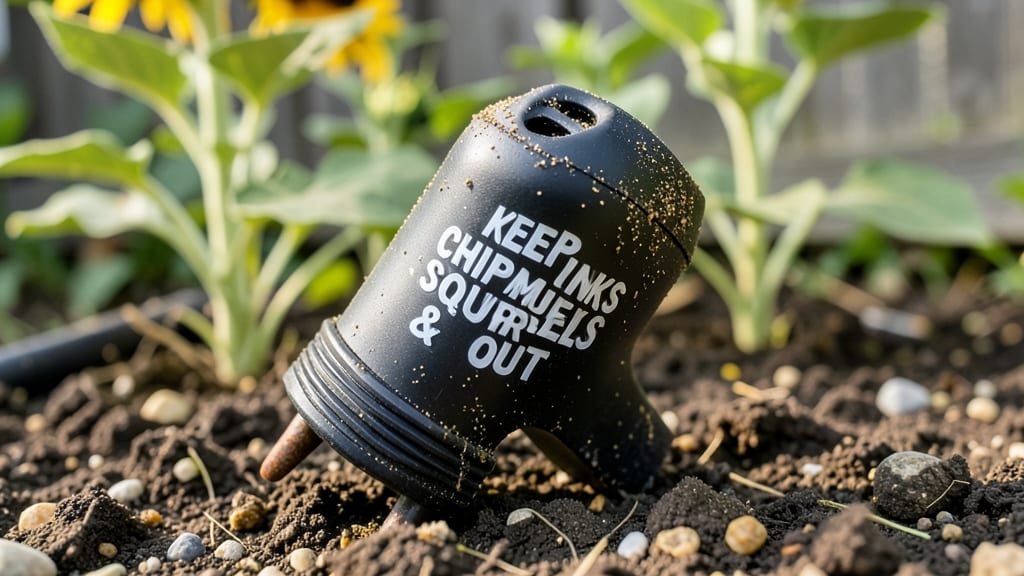
How to keep chipmunks and squirrels out of your garden always ended with half-eaten peas and vanished seeds—until I learned these humane barriers that actually work. 🌱 The key isn’t cruelty but outsmarting their habits: burrowing, climbing, and caching. Chipmunks and squirrels are just opportunists, and once you block their easy routes, they’ll move on to the neighbor’s yard.
You’ll need hardware cloth (¼-inch mesh), smooth-edged wire baskets for seeds, and natural deterrents like cayenne pepper or predator urine (yes, it’s real and effective). No traps, no harm—just making your garden less appealing than their next target.
The best part? These methods protect vegetables, bulbs, and even young trees without chemicals.
Imagine harvesting full-sized zucchini instead of half-chewed stumps, or watching tulip bulbs survive winter unplucked. That’s the payoff: a garden where critters think twice before digging in. The setup takes 30 minutes and lasts all season—no daily battles, just peace of mind.
Works for raised beds, in-ground plots, and even container gardens. The same principles apply whether you’re growing tomatoes or perennials. Here’s how to set it up without turning your yard into a warzone.
📚 In This Guide
- What you need
- Instructions
- Tips and common mistakes
- Wrapping up and next steps
What you need
- ● Hardware cloth or wire mesh: ¼-inch (6mm) or smaller mesh (10–12 ft. roll, depending on garden size). Pro tip: Galvanized steel lasts longest!
- ● Sturdy plastic or metal tubing: 2–4-inch diameter (1–2 pieces, 6–10 ft. long for vertical barriers).
- ● Heavy-duty zip ties or wire: 100+ pieces (for securing mesh to tubes or fencing).
- ● T-posts or metal stakes: 12–24 inches long (quantity depends on garden perimeter; ~1 stake per 2–3 ft.).
- ● Garden twine or burlap: 50+ ft. roll (for wrapping tree trunks or low barriers).
- ● Spray bottle: 16 oz. (for repellent solutions like hot pepper spray).
- ● Gloves and safety glasses: (for handling sharp materials or repellents).
- ● Motion-activated sprinklers: (e.g., Orbit Enforcer; covers ~1,000 sq. ft.).
- ● Commercial repellents: Like Bobbie Green’s or Nature’s Miracle (follow label instructions!).
- ● Decorative rocks or mulch: (To camouflage barriers or deter digging).
- ● Reflective tape or old CDs: (Hang near entry points to startle pests with light reflections).
Step-by-Step instructions for creating humane garden barriers
Here's how to build effective, cruelty-free defenses that actually work against persistent chipmunks and squirrels.
🪴 Step 1: Identify and Secure Entry Points
Start by walking your garden's perimeter and inspecting for obvious access points. Chipmunks and squirrels exploit gaps under fences, holes in raised beds, and even loose mulch piles. Pay special attention to areas where buried irrigation lines enter the soil—these are prime digging targets. I always check for fresh burrow entrances marked by small piles of dirt or chewed vegetation.
Use hardware cloth (½-inch mesh) to block holes larger than ¼ inch. For gaps under fences, bend the mesh outward at a 45-degree angle and secure it with landscape staples. This creates a physical barrier they can't dig under or squeeze through. The key is making the mesh extend at least 12 inches outward from the soil line—this prevents them from simply jumping over or climbing around it.
🌱 Step 2: Install Above-Ground Barriers
For raised beds and planters, wrap the entire structure with ¼-inch hardware cloth before filling with soil. This is especially critical for containers where squirrels can easily reach in from above. I've found that leaving a 1-inch gap between the mesh and plant stems prevents damage while still blocking pests. Secure the mesh with zip ties or wire at 12-inch intervals to prevent sagging.
For in-ground gardens, create a 2-foot tall barrier around the perimeter using the hardware cloth. Bury the bottom edge 6 inches deep and extend it 6 inches above ground level**. This height stops squirrels from climbing over while preventing chipmunks from burrowing underneath. The mesh should be taut—any sagging creates weak spots they'll exploit.
✂️ Step 3: Use Natural Deterrents Strategically
Plant deterrent plants like daffodils, alliums, or lavender around the garden's edge. These emit strong scents that repel rodents naturally. I place pots of citrus peels or coffee grounds near known entry points—their pungent odors confuse their sense of smell. Refresh these every 3-5 days for maximum effectiveness.
Install motion-activated sprinklers on 10-foot stakes at garden corners. The sudden burst of water startles them without harming them. Position sprinklers to cover 15-foot diameters and set them to activate every 10-15 minutes during daylight hours. The unpredictable nature of the water keeps them away longer than static deterrents.
💧 Step 4: Maintain and Monitor Regularly
Inspect barriers weekly for damage or gaps created by weather or wildlife. I check for chewed mesh, bent stakes, or new burrow entrances after heavy rains. Replace any damaged sections immediately—even a 1-inch gap can let a determined squirrel through. Keep the area around barriers clear of debris, as leaf litter and mulch provide cover for pests to approach undetected.
Place humane traps baited with sunflower seeds near problem areas to catch and relocate persistent individuals. Check traps daily at dawn and release captured animals at least 2 miles away from your garden. This removes the most determined foragers while maintaining a humane approach. I've found that combining traps with barriers yields the best long-term results.
Tips & tricks for effective garden pest control
These practical strategies will help you create a more resilient garden defense system that actually works.
Mesh Installation Precision: When installing hardware cloth in Step 1, overlap sections by at least 2 inches at seams to eliminate any potential entry points. I've learned this the hard way—even small gaps can let determined chipmunks through. For raised beds, consider using a staple gun to secure the mesh instead of zip ties, which can degrade over time and create weak spots. The ½-inch mesh is perfect for blocking both squirrels and chipmunks, but double-check that no sections are stretched too tightly, which could create tears.
Barrier Height Optimization: In Step 2, the 2-foot tall barrier recommendation works well for most gardens, but if you're dealing with particularly ambitious squirrels, extend it to 3 feet in problem areas. I've found that adding a 1-inch lip bent outward at the top prevents squirrels from getting a grip to climb over. For in-ground gardens, bury the mesh 6 inches deep as specified, but also create a 3-inch outward flare at the bottom to deter digging attempts.
Deterrent Placement Strategy: When using natural deterrents in Step 3, place citrus peels near known entry points rather than randomly around the garden. The concentrated scent confuses their navigation systems more effectively. For motion-activated sprinklers, position them where you've observed the most activity—typically near fruit trees or vegetable beds. The 10-15 minute activation interval creates unpredictable bursts that are more effective than continuous spraying, which they'll eventually ignore.
Maintenance Shortcuts: To simplify the weekly inspections in Step 4, create a simple checklist: check for chewed mesh, bent stakes, and new burrow entrances. I keep a small toolkit with extra hardware cloth, zip ties, and landscape staples stored near my garden shed. For humane traps, place them near fresh dig sites or areas where you've seen active foraging. The daily dawn checks are crucial—animals are most active at this time, making it easier to catch persistent foragers.
Pro Tips for Keep Chipmunks And Squirrels Out Of Garden
- These practical strategies will help you create a more resilient garden defense system that actually works.
- Mesh Installation Precision: When installing hardware cloth in Step 1, overlap sections by at least 2 inches at seams to eliminate any potential entry points.
- Barrier Height Optimization: In Step 2, the 2-foot tall barrier recommendation works well for most gardens, but if you're dealing with particularly ambitious squirrels, extend it to 3 feet in problem areas.
Frequently asked questions
What’s the best time of year to set up squirrel and chipmunk barriers?
Spring is ideal—before these critters start nesting or digging in your garden. Early fall is also smart, as they prepare for winter. Avoid extreme heat (summer) or cold (winter), which can damage materials like wire mesh or deter proper installation. Plan ahead!
Will these barriers hurt my plants or soil?
Not if installed correctly! Use humane materials like hardware cloth (buried 12+ inches deep) or repellent plants (e.g., daffodils, marigolds). Avoid toxic chemicals—they harm wildlife and your garden’s ecosystem. Always secure barriers with stakes or landscape fabric to prevent soil erosion.
What if squirrels keep digging under my fence?
Digging is their backup plan—bury your mesh at least 12–18 inches deep and extend it outward slightly (like a skirt). For stubborn diggers, add a gravel barrier (3–4 inches thick) outside the mesh to discourage tunneling. Check for gaps regularly!
Can I use pepper spray or other repellents safely?
Yes, but choose pet-safe, natural repellents like cayenne pepper spray or predator urine (fox/coyote). Reapply every 2–4 weeks or after rain. Avoid commercial sprays with harsh chemicals—they can harm pollinators and soil health. Always test on a small area first!
How much does this cost compared to hiring a pest control service?
DIY barriers (mesh, plants, repellents) cost $20–$100 upfront, while professional services charge $150–$500+ per visit. Long-term savings win! Plus, humane methods protect your garden’s biodiversity. Start small (e.g., one raised bed) to test what works best.
Wrapping up and next steps
Keeping chipmunks and squirrels out of your garden doesn’t have to mean harsh chemicals or traps—just a little strategy and patience! 🌱 By combining physical barriers, natural deterrents, and smart landscaping, you can protect your plants while keeping wildlife safe.
Start small, test what works best in your space, and soon, you’ll enjoy a flourishing garden without the unwanted visitors.
Ready to take action? Pick one method from this guide and set it up this weekend! Your future self—and your veggies—will thank you.