
Pests
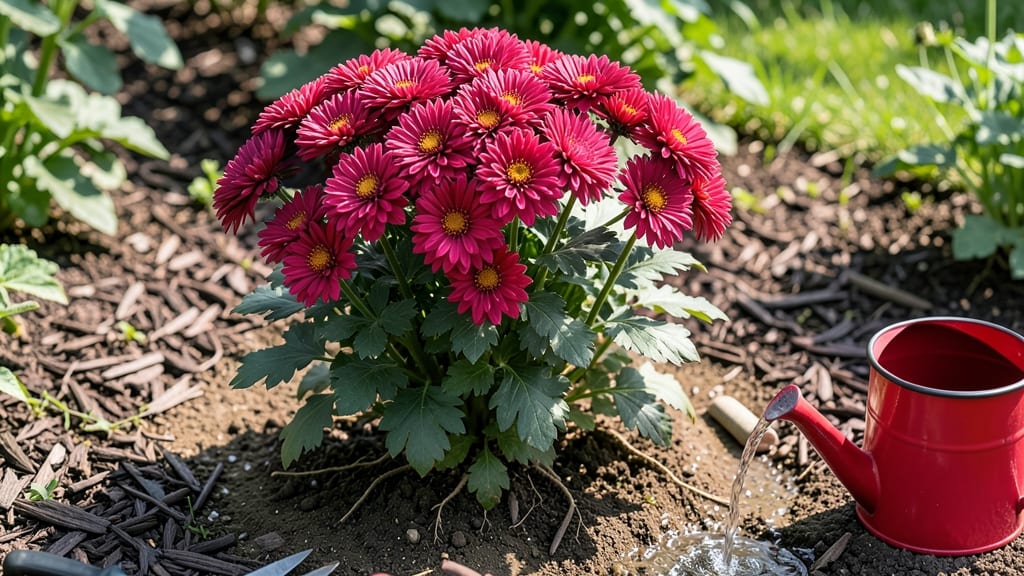
How to keep chrysanthemums alive—here’s how to turn your wilted mums from sad to spectacular. The secret isn’t fancy tricks; it’s fixing the basics most gardeners overlook.
Start with sunlight—mums need 6+ hours daily, but not scorching afternoon rays. Overwatering drowns roots, while underwatering stresses them. Check soil moisture by sticking your finger 1-2 inches deep; if dry, water deeply.
Yellow leaves? Usually overwatering or poor drainage. Amend heavy soil with perlite or sand to keep roots happy.
Pests like aphids and spider mites love mums too. Spray with neem oil weekly as prevention, and pinch off damaged leaves immediately. For blooms, deadhead spent flowers and fertilize lightly every 2-3 weeks with balanced 10-10-10. Prune leggy stems in early spring to encourage bushiness.
With these tweaks, your mums will rebound faster than you think. Even my black-thumb disasters bounce back—once you nail the light, water, and pests. Let’s get them thriving again!
📚 In This Guide
- What you need
- Instructions
- Tips and common mistakes
- Wrapping up and next steps
What you need
- ● Chrysanthemum plants – Choose healthy, disease-free varieties (potted or bare-root). Quantity: 1-10 plants, depending on your space.
- ● Well-draining potting mix – A blend with peat moss, perlite, and compost (avoid heavy clay). Quantity: 5-10 gallons, depending on pot size.
- ● Containers or garden beds – Pots with drainage holes (5-15 inches in diameter) or a sunny garden spot with loose soil.
- ● Balanced fertilizer – A 10-10-10 or 20-20-20 NPK ratio (water-soluble or slow-release). Quantity: 1-2 tbsp per plant.
- ● Pruning shears – Sharp, clean shears for trimming dead blooms or leggy stems.
- ● Watering can or hose with a gentle spray nozzle – Avoid over-saturating the soil.
- ○ Mulch (optional but recommended) – Straw, shredded bark, or pine needles to retain moisture and regulate soil temperature. Quantity: 2-3 inches spread around plants.
- ● Soil moisture meter – Ensures you’re watering at the right depth without guesswork.
- ● Insecticidal soap or neem oil – For preventive pest control (aphids, spider mites, or whiteflies love chrysanthemums!).
- ● Slow-release fertilizer spikes – Convenient for monthly feeding without manual mixing.
- ● Garden gloves – Protects your hands from thorns (some varieties have them!) and soil.
- ● Grow lights or shade cloth – If growing indoors or in extreme heat (chrysanthemums need 6-8 hours of sunlight daily).
Instructions for year-round chrysanthemum care
Chrysanthemums thrive with the right balance of light, water, and seasonal adjustments—here’s my battle-tested approach.
Select the Right Variety and Planting Location
Choose hardy varieties like 'Mum' or 'Korean' chrysanthemums, which tolerate cooler temperatures and bloom reliably. Plant in full sun—at least 6 hours of direct sunlight daily—for vibrant blooms. If your climate has short days in fall, opt for autumn-blooming types that respond to shorter daylight periods.
Soil must drain well—chrysanthemums rot in soggy conditions. Amend heavy soil with 2-3 inches of compost or sand to improve aeration. I always test drainage by digging a hole, filling it with water, and checking if it drains within 30 minutes. If not, raise beds or plant in containers with drainage holes.
Water Deeply and Consistently
Water at the base of the plant in the morning to reduce fungal risks. Aim for 1-1.5 inches of water weekly, adjusting for rain. Let the top 2 inches of soil dry between waterings—overwatering causes root rot, while underwatering leads to droopy leaves. Use a moisture meter or stick your finger in the soil to check.
Mulch with 2-3 inches of organic mulch (like straw or shredded leaves) to retain moisture and regulate soil temperature. Keep mulch 2 inches away from stems to prevent rot. In hot climates, water more frequently—wilting leaves signal thirst, but don’t overcompensate by drowning the roots.
Fertilize for Strong Growth and Blooms
Feed chrysanthemums with a balanced 10-10-10 fertilizer every 4-6 weeks during the growing season. For blooms, switch to a low-nitrogen, high-phosphorus fertilizer (like 5-10-10) once buds form. I mix fertilizer into the soil at planting and apply liquid feeds mid-season to avoid burning roots.
Stop fertilizing 6-8 weeks before the first frost to harden off plants for winter. Over-fertilizing late in the season encourages tender growth that freezes easily. Always water before and after fertilizing to help nutrients absorb evenly.
Prune and Deadhead Regularly
Pinch back new growth in early summer to encourage bushier plants. Use clean, sharp pruners to cut just above a leaf node at a 45-degree angle. Remove spent blooms (deadheading) to redirect energy into new flowers. I prune in the morning when plants are dry to reduce disease spread.
Avoid heavy pruning late in the season—it stresses plants before winter. If you’re overwintering, cut back one-third of the plant after the first frost to reduce dieback. Store cuttings in a cool, dry place if propagating from cuttings.
Protect from Pests and Winter Conditions
Watch for aphids, spider mites, and whiteflies—spray with neem oil or insecticidal soap at the first sign of infestation. I inspect undersides of leaves weekly, as pests hide there. For severe cases, remove heavily infested foliage and dispose of it in sealed bags.
In cold climates, mulch heavily (4-6 inches) with straw or leaves before frost. In zones 5-7, chrysanthemums often survive winter with protection. In colder areas, dig up tubers after the first frost, store in sphagnum moss at 40-50°F, and replant in spring. Never let tubers freeze—they won’t regrow.
Tips & tricks for perfect year-round chrysanthemum care
Keeping these hardy beauties thriving through every season takes more than just good intentions—it requires strategic planning and a few insider tricks.
Light Strategy: While the instructions call for at least 6 hours of direct sunlight daily, I've found that chrysanthemums actually perform best with 8-10 hours of sunlight, especially during their blooming season. If your garden gets less than 6 hours, consider supplementing with a grow light for 4-6 hours in the evening. This mimics natural daylight extensions and prevents the "leggy" growth that comes from insufficient light. The key is consistency—chrysanthemums are photoperiod-sensitive plants that respond to daylight changes, so maintain that 6+ hour minimum even if you're supplementing.
Soil Preparation Insight: The 30-minute drainage test mentioned in Step 1 is crucial, but I've learned to go one step further. After amending your soil with compost or sand, let it settle for 24 hours before planting. This allows the soil structure to stabilize, preventing compaction around the roots. I also recommend adding a handful of perlite to the planting hole—this creates tiny air pockets that improve oxygen flow to the roots, which is especially important during the hot summer months when soil can become compacted from frequent watering.
Watering Technique: The instructions recommend watering at the base in the morning, but here's what nobody tells you—chrysanthemums actually prefer "deep and infrequent" watering more than the weekly 1-1.5 inch guideline suggests. I water mine every 5-7 days with 2-3 inches of water at each session during peak summer months. This encourages deeper root growth and makes them more drought-tolerant. The trick is to water thoroughly until you see water running out of the drainage holes if you're using containers, or until the top 4 inches of soil are completely moist.
Winter Survival Hack: For the 40-50°F storage temperature mentioned in Step 5, I've found that a slightly warmer range of 45-50°F works better for most home environments. Use a basement, unheated garage, or even a refrigerator (with good ventilation) for storage. The key is maintaining consistent humidity—wrap the tubers in damp sphagnum moss and place them in a plastic bag with small air holes. This prevents them from drying out while they're dormant. I also recommend labeling your storage containers with the planting date—this helps you track how long they've been stored and when they should be replanted.
Pro Tips for Keep Chrysanthemums Alive
- Keeping these hardy beauties thriving through every season takes more than just good intentions—it requires strategic planning and a few insider tricks.
- Light Strategy: While the instructions call for at least 6 hours of direct sunlight daily, I've found that chrysanthemums actually perform best with 8-10 hours of sunlight, especially during their blooming season.
- Soil Preparation Insight: The 30-minute drainage test mentioned in Step 1 is crucial, but I've learned to go one step further.
Frequently asked questions
Got questions about keeping your chrysanthemums lush and blooming? You’re not alone! Here are answers to the most common concerns—from pests to timing and everything in between.
How do I get rid of pests like spider mites or aphids on my chrysanthemums?
Start by hosing off plants with water to dislodge pests, then apply neem oil or insecticidal soap (mix 1 tbsp per quart of water). For severe infestations, use pyrethrin-based sprays. Check the undersides of leaves and stems regularly—early action prevents damage! Learn more about organic pest control.
When is the best time to prune chrysanthemums for year-round blooms?
Prune after flowering (late fall/winter) to encourage new growth. For continuous blooms, trim back by ⅓ in early spring and again after each flush of flowers. Avoid heavy pruning in late summer—this can delay fall blooms. Use clean, sharp shears to prevent disease.
Can chrysanthemums survive winter indoors? What’s the ideal setup?
Yes! Move potted chrysanthemums indoors before first frost (temps below 40°F/4°C). Place them near a south-facing window for sunlight, and reduce watering. Keep humidity moderate (use a pebble tray if leaves dry out). Pro tip: Rotate pots weekly for even growth!
Why are my chrysanthemum leaves turning yellow? Is it overwatering or something else?
Yellow leaves often signal overwatering (check soil moisture—it should be damp but not soggy). Other causes:
- Underwatering: Crispy edges + dry soil.
- Nutrient deficiency: Pale yellow = nitrogen lack; use a balanced 10-10-10 fertilizer.
- Pests/disease: Look for spots or webs.
Are there low-maintenance chrysanthemum varieties for beginners?
Try these hardy, forgiving varieties:
Variety
Key Traits
‘Bonanza Series’
Disease-resistant, compact, blooms all season with minimal pruning.
‘Daisy Series’
Large, cheerful flowers; thrives in partial shade.
‘Mammoth’
Tolerates cooler temps; great for cutting gardens.
Wrapping up and next steps
Keeping your chrysanthemums thriving is all about consistent care, patience, and a little green thumb love! 🌸 With the right balance of sunlight, water, soil, and seasonal adjustments, you’ll enjoy vibrant blooms year after year.
Remember: prune wisely, protect from pests, and adapt to the seasons—your efforts will pay off in stunning, long-lasting flowers.
Now that you’re armed with these secrets, why not share your newfound knowledge? 🌱 Try propagating a few cuttings or gifting a healthy plant to a fellow gardening enthusiast. Happy blooming—your chrysanthemums (and future garden adventures) await!