
Vegetables
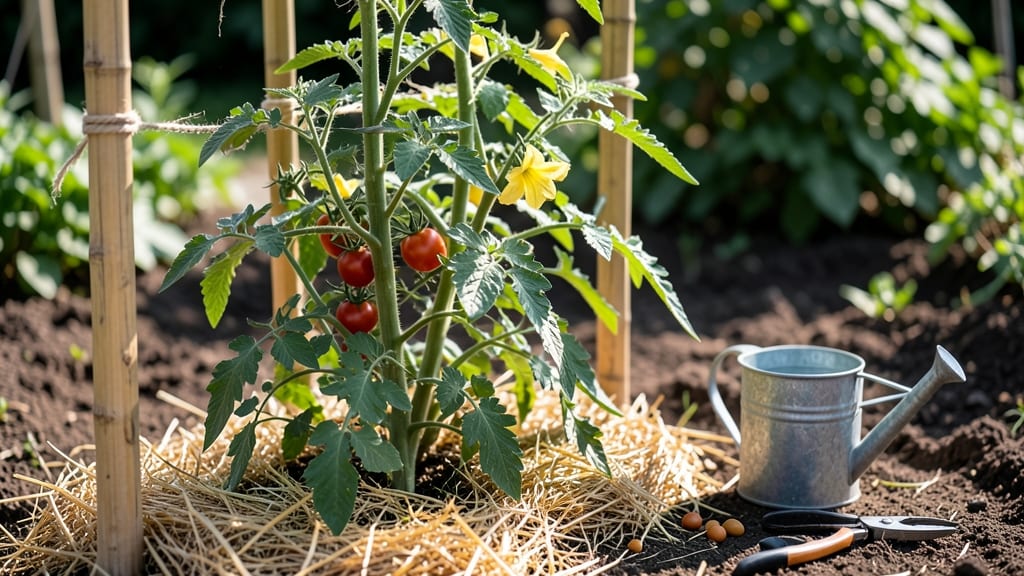
Encouraging tomato growth isn't rocket science—it's about sunlight, soil, and a little strategic pruning. 🌱 I've gone from struggling with leggy, fruitless plants to producing bushels of ripe tomatoes by focusing on these three pillars, and you can too.
The foundation starts with 6+ hours of direct sunlight daily and soil rich in organic matter—think compost or well-aged manure. Most gardeners overlook drainage, but soggy roots spell disaster. A simple soil test reveals what your tomatoes truly need before you even plant.
By midseason, you'll see the difference: thick stems, dark green leaves, and plump flowers turning into fruit. Pruning sucker shoots early prevents wasted energy, while proper watering (deep but infrequent) keeps roots strong instead of shallow. This works for both backyard plots and container gardens.
Let's get those vines growing the right way!
📚 In This Guide
- What you need
- Instructions
- Tips and common mistakes
- Wrapping up and next steps
What you need
- ● Tomato seeds or seedlings: Choose disease-resistant varieties (e.g., Roma, Cherry, or Beefsteak). Start with 3–5 plants per household for a great harvest!
- ● Well-draining potting mix or garden soil: 10–15 gallons (for containers) or amended garden beds (add compost or aged manure for fertility).
- ● Fertilizer: A balanced 10-10-10 or organic option like compost tea or worm castings (1–2 tbsp per plant every 2–3 weeks).
- ● Stakes or cages: 6–8 ft tall for indeterminate varieties (e.g., cherry tomatoes) or 4–5 ft for determinate types. Use 3–5 stakes per plant for support.
- ● Mulch: Straw, grass clippings, or shredded leaves (2–3 inches thick) to retain moisture and suppress weeds.
- ● Watering can or hose with a gentle nozzle: Aim for 1–2 gallons per plant daily during peak growth (early morning is best!).
- ● Pruning shears or sharp scissors: For trimming suckers and dead leaves (sterilize with rubbing alcohol between plants!).
- ● Gloves: Heavy-duty garden gloves to protect your hands from thorns and soil.
- ○ pH test kit: Optional but helpful—tomatoes thrive in 6.0–6.8 pH soil. Adjust with lime (to raise pH) or sulfur (to lower it).
- ○ Shade cloth (30–50% coverage): Optional for hot climates to protect young plants from scorching.
- ● Row covers or bird netting: To deter pests like hornworms or birds from feasting on your fruits!
- ● Sunlight: 6–8+ hours of direct sun daily—no skimp here! Partial shade may reduce yields.
- ● Warmth: Soil temps above 55°F (13°C) for germination; seedlings need 70°F (21°C)+ to thrive.
- ● Space: 18–24 inches apart for determinate tomatoes, 24–36 inches for indeterminate varieties.
- ● Patience: Tomatoes take 60–85 days to fruit—plan ahead for your climate!
Step-by-step instructions for boosting tomato plant health
Here's the method I've used for years to turn struggling tomato plants into productive powerhouses.
🌱 Step 1: Optimize Sunlight Exposure Daily
Tomatoes crave 6-8 hours of direct sunlight—any less and they'll grow weak, leggy stems with poor fruit set. Position your plants where they receive morning sun and afternoon light, avoiding harsh midday glare that can scorch leaves. If your garden gets only partial sun, choose determinate varieties like 'Roma' or 'Celebrity'—they handle shade better than indeterminate types.
I rotate my plants every 3-4 days to ensure even exposure. You'll notice plants leaning toward the light? That's your cue to move them. A simple quarter-turn each time keeps stems straight and prevents shading of lower leaves, which is where most fruit develops.
💧 Step 2: Water Deeply at the Base
Shallow watering creates weak roots that can't support heavy tomato fruit. Instead, water 1-2 inches deep at the base 1-2 times per week, depending on heat and rainfall. The soil should feel damp 6-8 inches down—use your finger to check. Drip irrigation or soaker hoses work best because they deliver moisture directly to roots without wetting foliage, which prevents fungal diseases.
Here's the thing—watering in the morning is non-negotiable. Wet leaves that stay damp overnight invite blight. You'll see dark, mushy spots on leaves if you've overwatered or watered at night. Adjust your schedule based on weather: hot days mean more frequent watering, while cooler weather lets you space it out.
☀️ Step 3: Fertilize with Balanced Nutrition
Tomatoes are heavy feeders, so I use a balanced 10-10-10 fertilizer—or better yet, compost tea—every 3-4 weeks starting when flowers appear. The key is consistency: too much nitrogen early on will give you lush foliage but no fruit. Switch to a low-nitrogen, high-phosphorus—like 5-10-10—when flowers form to encourage blooming.
I also top-dress with 1 inch of compost—this adds organic matter and beneficial microbes that help roots absorb nutrients. You'll know your plants are happy when they produce dark green leaves—not yellow (nitrogen deficiency) or purple stems (phosphorus deficiency).
✂️ Step 4: Prune for Airflow and Energy Focus
Pruning isn't just about shaping—it's about directing energy to fruit production. Remove suckers—those little shoots that grow in the leaf axils—regularly. I prune mine when they're 2-3 inches long—any longer and they'll steal energy from your main stems. Keep only the strongest suckers if your plant looks stressed.
Also, trim leaves that touch the soil or hang below the lowest fruit cluster. This prevents disease and improves airflow. You'll see fewer yellow leaves and healthier fruit when circulation is good. For indeterminate varieties, prune side shoots to leave 2-3 main stems—this supports more fruit and makes harvesting easier.
🌿 Step 5: Support and Protect for Long-Term Growth
Stake or cage your tomatoes early—before they get too tall—to prevent wind damage and disease. I use 6-foot bamboo stakes—they're sturdy and let me tie stems loosely with soft plant ties. Avoid wire or anything that can cut into the stem as the plant grows.
Watch for pests like hornworms or aphids—they can defoliate a plant in days. Handpick larger pests and spray with neem oil for smaller ones. You'll know your plants are thriving when they produce continuous blooms—not just one flush of flowers. This means steady fruit production all season.
Tips & tricks for perfect tomato growth
These game-changing insights will help you transform even struggling tomato plants into thriving, fruit-bearing powerhouses.
Sunlight Strategy: Pay attention to how your plants respond to light throughout the day. If you notice leaves curling or turning pale yellow by mid-afternoon, your tomatoes are getting too much harsh sunlight. Move plants slightly into partial shade during peak sun hours (11 AM - 3 PM) to prevent scorching while still giving them that essential 6-8 hours of direct light. I've seen plants go from struggling to producing bushels just by making this small adjustment during our hottest summer months.
Watering Wisdom: The 1-2 inches deep watering rule is non-negotiable, but timing matters just as much. I've found that setting a simple timer for 7 AM works perfectly for my morning watering routine. This gives plants all day to absorb moisture before evening cools down. Pro tip: Use a rain gauge to measure your water output—you'll be surprised how much more water you're actually using than you think, especially with hose watering.
Fertilizer Timing: When switching to that low-nitrogen, high-phosphorus fertilizer (5-10-10) at flowering, don't stop there. I've noticed that adding a handful of bone meal to the planting hole at the very beginning gives plants an extra phosphorus boost right when they need it most. This helps prevent blossom end rot later in the season, which can wipe out entire harvests if left unchecked.
Pruning Precision: For indeterminate varieties, I've developed a simple system: prune suckers when they're exactly 2-3 inches long, and always keep the strongest one if you're worried about plant stress. The key is to work during early morning hours when plants are turgid—this makes the stems easier to handle and reduces stress on the plant. I've seen some gardeners make the mistake of pruning too aggressively, which actually reduces fruit production rather than increasing it.
Pro Tips for Encourage Tomato Growth
- These game-changing insights will help you transform even struggling tomato plants into thriving, fruit-bearing powerhouses.
- Sunlight Strategy: Pay attention to how your plants respond to light throughout the day.
- Watering Wisdom: The 1-2 inches deep watering rule is non-negotiable, but timing matters just as much.
Frequently asked questions
Got questions about growing juicy, plump tomatoes? You’re not alone—here are the most common concerns (and answers!) from gardeners just like you:
How often should I water my tomato plants?
Tomatoes need consistent moisture—about 1 to 1.5 inches per week, especially during flowering and fruiting. Water deeply at the base (not the leaves) in the morning to prevent disease. Let the top inch of soil dry out between waterings, but avoid soggy roots. Drip irrigation or soaker hoses work best!
When is the best time to prune tomato plants?
Prune determinate tomatoes (bush types) lightly to improve airflow, but avoid heavy pruning. For indeterminate varieties (vining types), prune throughout the season—remove suckers (side shoots) when they’re 2–3 inches long. Best time? Early morning on dry days to minimize stress. Stop pruning 4–6 weeks before your first frost.
Why are my tomato leaves turning yellow?
Yellow leaves often signal overwatering, nutrient deficiency, or disease. Check the soil—if it’s soggy, reduce watering. For nutrients, test your soil and amend with compost or a balanced fertilizer (like 10-10-10). Lower leaves yellowing? It could be normal aging. Upper leaves? Likely a sign of underwatering or pests like aphids. Inspect closely!
Can I grow tomatoes in containers? What’s the best setup?
Use containers at least 5 gallons per plant (bigger is better for indeterminate types). Ensure they have drainage holes and fill with well-draining potting mix. Choose compact varieties like ‘Tiny Tim’ or ‘Patio Princess.’ Place containers in full sun (6+ hours/day) and water frequently. Pro tip: Add a time-release fertilizer at planting!
What can I do if my tomatoes crack?
Cracked tomatoes (radial or concentric splits) happen due to uneven watering—too much after a dry spell. Prevent it by:
- Watering consistently (mulch helps retain moisture).
- Avoiding deep watering late in the day (can cause rapid absorption).
- Harvesting tomatoes when they’re firm but ripe (not overripe).
Wrapping up and next steps
Growing juicy, vibrant tomatoes is all about patience, consistency, and a little love—but with the right techniques, you’re well on your way to a bountiful harvest! 🌱 From nailing sunlight exposure to mastering pruning and soil care, each step plays a key role in turning your plants into thriving powerhouses.
Don’t forget: even the smallest adjustments—like proper watering or pest control—can make a huge difference.
Now that you’re armed with these proven tips, why not take the next step? Try planting a few tomato varieties this season and track your progress—you’ll be amazed at how quickly your green thumb grows! Happy gardening! 🌿