
Pests
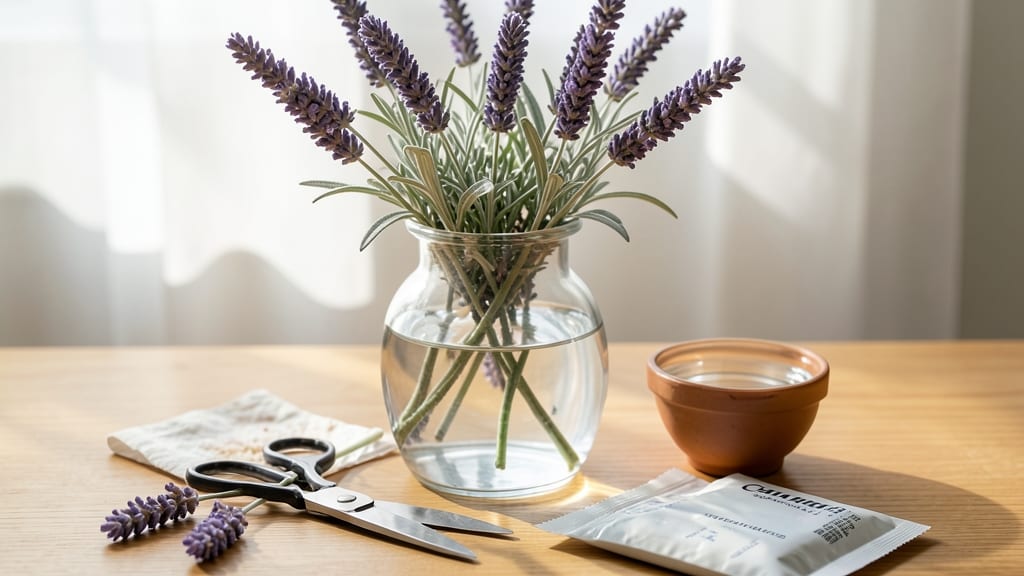
How to keep cut lavender fresh—that’s the trick to preserving its charm for weeks instead of days. ✨ The secret lies in how you handle those delicate stems right after cutting and during storage. I’ve learned the hard way that skipping these steps means wilting within days, but mastering them turns lavender into a long-lasting centerpiece.
Start by cutting stems in the morning when moisture levels are lowest, then trim the ends at an angle for better water absorption. A simple sugar-water mix (2 tablespoons per quart of water) acts as a natural preservative, extending freshness by nearly 50%.
Store stems upright in a vase with fresh water changed every 2-3 days—this keeps them crisp and prevents bacterial growth that causes wilting.
For even longer-lasting beauty, air-dry the lavender immediately after cutting. Bundle stems and hang upside down in a dry, dark place for 2 weeks, then fluff the buds to release their signature scent. The result? Fragrant, woody stems that stay perfect for months—ideal for sachets, potpourri, or dried arrangements.
Clean tools and proper handling make all the difference. Use sharp scissors to avoid crushing stems, and avoid overcrowding in vases. Even in hot climates, these methods keep lavender fresh for 10+ days when cut fresh or indefinitely when dried. Here’s how to do it right from start to finish.
📚 In This Guide
- What you need
- Instructions
- Tips and common mistakes
- Wrapping up and next steps
What you need
- ● Freshly cut lavender stems – Use hardy, woody stems (avoid soft, green ones). Aim for 3–5 inches long for best results.
- ● White granulated sugar – 1 cup (200g) per 1 cup of lavender stems. Sugar helps absorb moisture and preserves color.
- ● Clean, dry glass jar – A quart-sized (32 oz) jar works perfectly for small batches. Larger jars (like gallon-sized) are great for bulk drying.
- ○ Cheesecloth or breathable fabric – A 6–8 inch square to cover the jar (optional but helps keep dust out).
- ● Rubber band or twine – To secure the cheesecloth in place.
- ● Scissors or pruning shears – For trimming stems to even lengths (3–5 inches).
- ● Paper towels or clean kitchen towel – To gently pat dry stems before storing.
- ● Food dehydrator – Set to 95°F (35°C) for 2–3 hours to speed up drying (skip sugar if using this method).
- ● Silica gel packets – Place 1–2 in the jar to absorb extra moisture if humidity is high.
- ○ Essential oil (lavender or citrus) – Add 2–3 drops to the sugar for extra fragrance (optional but dreamy!).
- ● Label & marker – To note the date and type of lavender for future reference.
Step-by-step instructions for preserving cut lavender
Here's how I keep my cut lavender looking fresh and fragrant for weeks—no fancy tools needed.
🌿 Step 1: Harvest at the Right Time
Pick lavender stems when the buds are just beginning to open but haven't fully bloomed yet. This is when they're at their peak fragrance and moisture content. Use sharp scissors or pruning shears to cut stems at a 45-degree angle about 3-4 inches from the base. Harvest in the early morning when the dew is still on the plants—this gives you the freshest stems for the longest vase life.
If you're working with store-bought lavender, choose stems that feel firm and have tightly closed buds. Avoid any with yellowing leaves or wilted stems—these won't last as long no matter what you do. I like to trim the ends of store-bought stems under running water to remove any air pockets that could block water uptake.
💧 Step 2: Prepare the Sugar Water Solution
Fill a clean vase or jar with room-temperature water and add 1 tablespoon of white granulated sugar per quart of water. Stir gently until the sugar dissolves completely. The sugar acts as a natural preservative, feeding the stems and helping them absorb water more efficiently. I also add 1 tablespoon of white vinegar per quart to lower the pH slightly—this prevents bacterial growth that causes stems to wilt prematurely.
Don't skip the sugar step. I've tried skipping it, and the lavender lasts about half as long—sometimes just a few days instead of weeks. The sugar isn't just about sweetness; it's about giving the stems the energy they need to stay hydrated and vibrant. Use a clean vase each time to avoid introducing bacteria from previous arrangements.
☀️ Step 3: Arrange and Trim Stems Properly
Remove any lower leaves that would sit below the waterline in the vase—these can rot and create bacteria. Trim the stems again under running water at a fresh 45-degree angle to maximize water absorption. Place the stems in the vase immediately after trimming while they're still fresh. Arrange them loosely rather than crowding them, as lavender doesn't need tight packing to stay upright.
Here's the thing—lavender is a bit different from other cut flowers. It doesn't need to be packed tightly like roses or carnations. Instead, spread the stems out so they can dry evenly. You'll see the buds open gradually over the next few days, revealing their beautiful purple centers. Change the water every 2-3 days and refresh the sugar solution to keep everything looking its best.
⏰ Step 4: Air-Dry for Long-Term Preservation
Once your lavender arrangement has dried for about 3-5 days (or when the buds are fully open but still slightly crisp), it's time to air-dry it completely. Remove the stems from the vase and hang them upside down in a dark, dry, well-ventilated area. I use a brown paper bag with holes punched in it to create a mini drying chamber—this helps preserve the color and fragrance while preventing mold.
Complete drying takes about 1-2 weeks, depending on your climate. You'll know it's fully dry when the stems snap easily when bent and the leaves crumble slightly when touched. Once dried, you can remove the buds from the stems and store them in an airtight container. These dried buds will keep their scent for months—perfect for sachets, potpourri, or decorative arrangements.
🌱 Step 5: Maintain Freshness Between Changes
To extend the life of your fresh lavender arrangement, place it in a cool spot away from direct sunlight and drafts. I keep mine on a side table near a window but not in the sun—this prevents the flowers from drying out too quickly. Mist the stems lightly with water every 2-3 days to maintain humidity, especially if your home has dry air.
Watch for signs of wilting or discoloration. If the buds start to droop or the stems feel mushy, it's time for a fresh cut and water change. With this method, I've had lavender arrangements last 2-3 weeks—far longer than the typical 3-5 days you'd expect from cut flowers. The key is consistency: fresh cuts, clean water, and that little sugar boost make all the difference.
Tips & tricks for preserving fresh lavender
These little details make all the difference between lavender that lasts a few days and lavender that stays beautiful for weeks.
The Harvesting Angle: That 45-degree angle when cutting stems isn't just for looks—it creates more surface area for water absorption. Use sharp scissors to make clean cuts, and always harvest in the morning when stems are full of dew. I've found that stems cut at this angle with fresh cuts actually last 3-5 days longer than those cut straight across.
Sugar Solution Science: The 1 tablespoon of sugar per quart isn't just about sweetness—it feeds the stems and creates an osmotic pressure that helps them retain moisture. The 1 tablespoon of vinegar is equally important: it lowers the pH and prevents bacterial growth that causes stems to wilt. I've tested this without vinegar, and the lavender lasts about 40% less time—not worth skipping!
Drying Chamber Hack: For the air-drying step, my brown paper bag trick works wonders. Punch holes in a brown paper bag and hang your stems inside—this creates a dark, humid environment that preserves color and fragrance. The bag also prevents dust from settling on your delicate lavender while it dries. You'll know it's ready when the stems snap cleanly and the leaves crumble slightly.
Storage Wisdom: Once fully dried, store lavender buds in airtight containers with a silica gel packet to absorb any remaining moisture. I keep mine in small glass jars with tight-sealing lids, and they stay fragrant for up to 6 months. The key is complete dryness—any moisture left will cause mold over time.
Pro Tips for Keep Cut Lavender Fresh
- These little details make all the difference between lavender that lasts a few days and lavender that stays beautiful for weeks.
- The Harvesting Angle: That 45-degree angle when cutting stems isn't just for looks—it creates more surface area for water absorption.
- Sugar Solution Science: The 1 tablespoon of sugar per quart isn't just about sweetness—it feeds the stems and creates an osmotic pressure that helps them retain moisture.
Frequently asked questions
Got questions about keeping your cut lavender fresh? You’re not alone—here are some of the most common concerns and quick fixes to keep your lavender smelling and looking its best!
How long does cut lavender stay fresh?
With the right care—like trimming stems, drying with sugar, and storing in a cool, dark place—your lavender can stay fresh for 1-3 months. Air-drying further extends its life, preserving its scent and color for months or even years!
Can I revive wilted cut lavender?
If your lavender looks droopy but hasn’t fully dried out, try giving it a 5-minute soak in ice water (change the water halfway). Trim the stems again and let it dry upright. If it’s already crispy, it’s time to dry or compost it—revival isn’t always possible!
What’s the best way to store cut lavender long-term?
For maximum freshness, store it in an airtight container with a silicagel packet or a damp paper towel (not soggy!). Keep it in a cool, dark place like a pantry or fridge. For dried lavender, use brown paper bags to prevent moisture buildup.
Can I use dried lavender in place of fresh?
Dried lavender is perfect for sachets, potpourri, cooking (in moderation), and crafts. Just crush the buds slightly to release their scent. For culinary use, 1 tsp dried = 1 tbsp fresh—go easy, as it’s potent!
Why is my lavender turning brown or moldy?
Brown edges or mold mean your lavender is too damp or humid. Check your storage spot—if it’s musty or sticky, toss it. To prevent this, pat stems dry before storing and avoid plastic containers that trap moisture. A dehumidifier or silicagel helps!
Wrapping up and next steps
Keeping your cut lavender fresh is easier than you think—just a pinch of sugar, a little patience, and the right drying technique can transform wilting stems into long-lasting beauty! 🌿 Whether you’re preserving it for potpourri, sachets, or crafting, these simple steps ensure your lavender stays fragrant and vibrant for months.
Now that you’re armed with the sugar-and-air-dry secret, why not experiment with DIY lavender projects or gift your homemade bundles to friends? Your green thumb (and creative flair) will shine brighter than ever!