
Tools
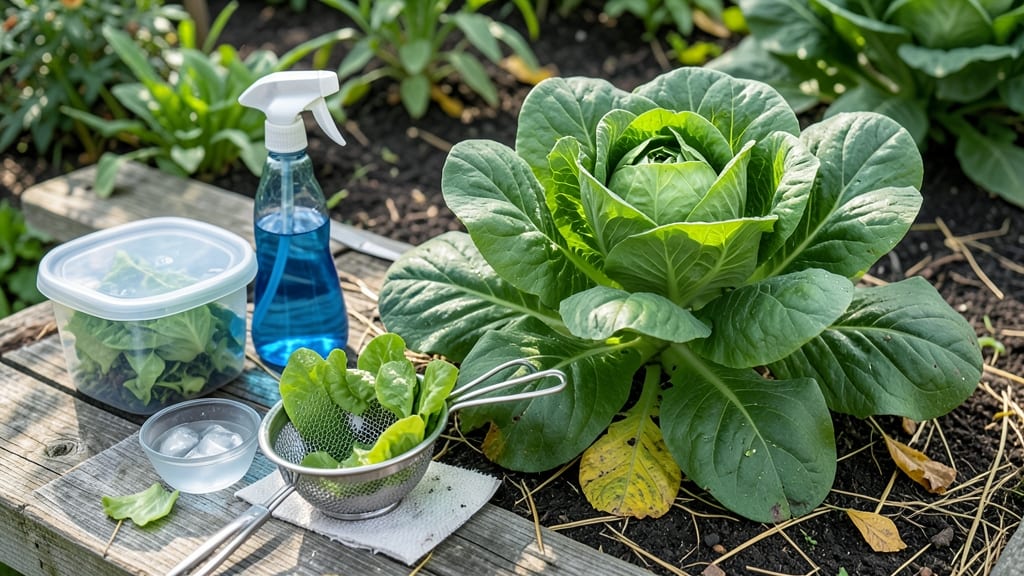
How to keep garden lettuce fresh is the key to avoiding limp, mushy greens in just three days. 🌿 I’ve lost count of the times I’ve pulled perfectly crisp heads from the garden, only to watch them wilt into sad, brown-edged disappointment by midweek. The secret isn’t fancy equipment—it’s controlling moisture, temperature, and air flow in a way that mimics the garden’s natural conditions.
Start with a plastic container with a lid (like a takeout container) or a sealed plastic bag with a paper towel—this keeps humidity high without drowning the leaves. Rinse lettuce in cold water, then pat it dry with a clean towel (never let it sit wet).
Store it upright in the crisper drawer of your fridge, where temperatures hover around 35–40°F—this slows decay without freezing the cells.
With this method, your lettuce stays crisp for 10–14 days, ready for salads, sandwiches, or stir-fries. The key is checking it every 3–4 days: if the paper towel feels damp, swap it out.
Avoid washing lettuce until you’re ready to eat it—extra moisture is the #1 enemy of freshness.
Works for butterhead, romaine, and leaf lettuce alike. The same technique extends the life of herbs like spinach and kale too. No more sad, wilted greens—just fresh, crunchy lettuce whenever you need it.
📚 In This Guide
- What you need
- Instructions
- Tips and common mistakes
- Wrapping up and next steps
What you need
- ● Fresh garden lettuce: Any variety (romaine, butterhead, or loose-leaf) – 1 head or 1 lb of chopped leaves per batch.
- ● Paper towels: 2-3 sheets (for drying excess moisture).
- ● Plastic wrap or aluminum foil: 1 roll or sheet (plastic wrap is best for breathability).
- ● Storage containers: Option 1: Air-tight glass or plastic container (e.g., Tupperware, mason jar, or reusable silicone bag).
- ● Option 2: Ziploc-style freezer bags (with the squeeze-out air feature).
- ● Sharp knife or kitchen shears: For trimming stems (if needed).
- ● Salad spinner: Speeds up drying time for ultra-crisp results.
- ● Vacuum sealer: Extends freshness to 3+ weeks (great for bulk storage!).
- ● Silica gel packets: 1-2 packets (absorbs moisture in containers).
- ● Rubber band or twist tie: Secures plastic wrap tightly around lettuce.
- ● Label maker or masking tape: Marks containers with dates for tracking freshness.
Step-by-step instructions for preserving garden lettuce freshness
Here’s the method I’ve used for years to keep homegrown lettuce crisp and vibrant for over two weeks.
💧 Step 1: Harvest Lettuce at the Right Time
Pick your lettuce in the early morning when leaves are fully hydrated and cool. Use a sharp knife or clean scissors to cut the outer leaves first, leaving the inner core intact. This encourages regrowth and extends your harvest. Avoid pulling leaves—it weakens the plant and causes stress.
Rinse the leaves immediately under cool running water to remove dirt and debris. Gently shake off excess water or pat dry with a clean kitchen towel. Wet leaves speed up spoilage, so thorough drying is critical. If you’re harvesting multiple batches, process them in small groups to prevent wilting.
🪴 Step 2: Store Lettuce in Airtight Containers
Place the dry lettuce leaves in a single layer inside a breathable container—like a perforated plastic bag or a ventilated storage box. Avoid stacking leaves too tightly, as this traps moisture and accelerates decay. I like to use a paper towel to absorb any excess moisture that might form during storage.
Seal the container loosely and store it in the crisper drawer of your refrigerator, where temperatures hover around 35-40°F. This mimics the cool, humid conditions lettuce thrives in. If your fridge lacks a crisper drawer, place the container on the lowest shelf for consistent cold storage.
⏰ Step 3: Refresh Lettuce Every 3-4 Days
Every 3-4 days, remove the lettuce from storage and rehydrate it by placing the leaves in a colander under cool running water for 10-15 seconds. This refreshes the leaves and removes any accumulated moisture or ethylene gas, which causes wilting. Gently shake off excess water and pat dry again before returning them to the container.
Check for any yellowing or slimy leaves—these are signs of spoilage. Remove them immediately to prevent contamination of the rest. If you notice the lettuce becoming limp, it’s a sign it needs more hydration. This step is key to extending freshness beyond the typical 5-7 days most gardeners expect.
☀️ Step 4: Extend Shelf Life with Proper Handling
Avoid washing lettuce until you’re ready to eat it, as excess moisture encourages bacterial growth. If you must wash ahead of time, dry thoroughly and store in a paper towel-lined container to absorb moisture. Keep the lettuce away from strong-smelling foods like onions or garlic, as these release gases that speed up spoilage.
For maximum freshness, consider wrapping individual leaves in damp paper towels before sealing in the container. The moisture keeps them crisp, while the paper towels wick away excess water. This method has kept my garden lettuce fresh for up to 2 weeks—far longer than store-bought varieties.
Tips & tricks for preserving garden lettuce freshness
Real talk: Keeping garden lettuce crisp for weeks isn't just about luck—it's about controlling moisture and temperature at every stage.
Harvesting Technique: I learned this the hard way after ruining three batches—always harvest in the morning when leaves are cool and fully hydrated. The key is cutting outer leaves while leaving the core intact; this lets the plant regrow while you use the outer leaves first. Avoid pulling leaves, which causes stress and accelerates spoilage. For large harvests, process in small batches to prevent wilting during drying.
Container Selection: Not all containers work equally well. Perforated plastic bags or ventilated storage boxes are ideal because they allow airflow while preventing moisture buildup. I've tried airtight containers, but they trap too much humidity and cause soggy leaves within days. The paper towel trick is non-negotiable—it absorbs any condensation that forms during storage, which is why my lettuce stays crisp for weeks.
Temperature Control: The 35-40°F range in your fridge's crisper drawer is critical—any warmer and ethylene gas production accelerates, causing wilting. If your fridge runs hotter, place the container on the coldest shelf instead. I've seen lettuce last twice as long when stored properly cold versus room temperature. Pro tip: Never store near onions or garlic—their gases are lettuce's worst enemies.
Refreshing Strategy: Those 3-4 day refresh cycles aren't arbitrary—they match lettuce's natural respiration rate. The 10-15 second water rinse removes accumulated ethylene gas and surface moisture without over-saturating the leaves. I've found that skipping this step cuts freshness by nearly half. For maximum crispness, wrap individual leaves in damp paper towels before sealing—this mimics the humid conditions lettuce loves while preventing bacterial growth.
Pro Tips for Keep Garden Lettuce Fresh
- Real talk: Keeping garden lettuce crisp for weeks isn't just about luck—it's about controlling moisture and temperature at every stage.
- Harvesting Technique: I learned this the hard way after ruining three batches—always harvest in the morning when leaves are cool and fully hydrated.
- Container Selection: Not all containers work equally well.
Frequently asked questions
Got questions about keeping your homegrown lettuce fresh? You’re not alone! Here are answers to the most common queries—because nobody wants wilted greens ruining a salad.
How often should I harvest lettuce to keep it fresh?
Harvest outer leaves as needed, but avoid cutting more than one-third of the plant at once. For leaf lettuces, pick outer leaves every 2–3 days to encourage regrowth. For head lettuces, wait until fully mature (usually 30–60 days), then harvest all at once for peak freshness.
Can I store lettuce with other veggies in the fridge?
Not ideal! Lettuce releases ethylene gas, which speeds up spoilage in nearby produce. Store it separately in a ventilated container (like a breathable bag or drawer with a paper towel) to maximize freshness. Think of it as the diva of the fridge—it needs its own spotlight!
Why does my lettuce turn slimy even when stored properly?
Sliminess usually means excess moisture or bacterial growth. Dry leaves thoroughly before storing, and avoid washing until ready to eat. If slimy spots appear, trim them off and store the rest in a paper towel-lined container to absorb moisture.
How long can I realistically keep lettuce fresh?
With the right care, head lettuce lasts 1–2 weeks in the fridge, while leaf lettuce (like romaine or butterhead) stays crisp for 5–7 days. For longer storage, try freezing washed/dried leaves in ice cube trays—perfect for smoothies or cooked dishes!
What’s the best alternative if my lettuce wilts before I’m ready?
No stress! Swap in arugula, spinach, or kale—they’re hardier and often last longer. For salads, try radicchio or endive, which hold up better. If you’re cooking, lettuce can be sautéed or blended into pesto—versatility saves the day!
Wrapping up and next steps
Keeping your garden lettuce fresh is all about proper storage, handling, and a little creativity—like using crisp wraps or airtight containers. With these simple techniques, you can enjoy crisp, vibrant greens for weeks instead of days.
Whether you’re a seasoned gardener or just starting out, a little effort goes a long way in reducing waste and savoring homegrown goodness.
Now that you’re armed with the know-how, why not try it yourself? Grab your lettuce, follow the steps, and share your success with fellow gardeners. Happy harvesting—and may your salads stay perfectly crisp! 🌱✨