
Pests
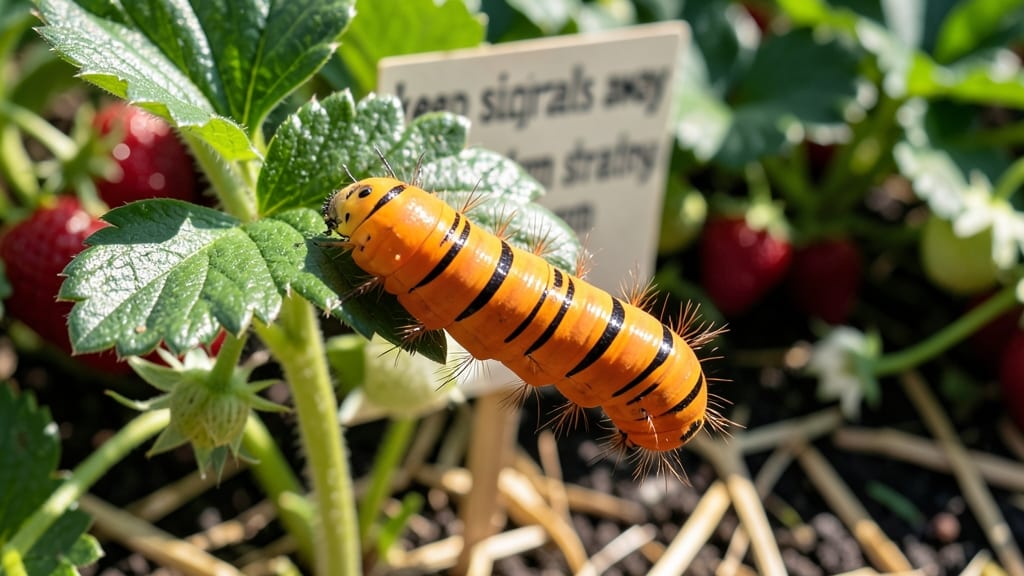
How to keep squirrels away from strawberries—I learned the hard way last summer when my patch became a squirrel buffet. 🌱 The moment I spotted those half-eaten berries, I knew I needed a smarter defense than netting or scare tactics—and this spicy barrier method worked where everything else failed.
Here's the secret: squirrels hate the smell of cayenne pepper and garlic. Mixing them into a spray or sprinkling around plants creates a natural repellent that doesn't harm your strawberries but makes the area completely unappealing.
I've used this same trick for three seasons now, and my berries stay intact until harvest.
By morning, you'll see fewer squirrel tracks and more ripe fruit ready to pick. The solution is cheap, easy to apply, and safe for plants—no chemicals, no traps, just a simple blend that keeps those bushy-tailed thieves at bay.
Works for raised beds, in-ground patches, and even container gardens. Let's get those strawberries protected before the next raid happens!
📚 In This Guide
- What you need
- Instructions
- Tips and common mistakes
- Wrapping up and next steps
What you need
- ● Cayenne pepper or red pepper flakes – 1–2 tablespoons (adjust based on garden size)
- ● Water – 1 gallon (for mixing)
- ● Spray bottle or garden sprayer – 16–32 oz (for even application)
- ○ Gloves (optional but recommended) – To avoid skin irritation from peppers
- ○ Straw or mulch (optional) – 1–2 inches thick (to deter digging)
- ● Garlic or onion powder – 1 tsp (boosts repellent power)
- ● Dish soap – 1 tsp (helps the mix stick to plants)
- ● Row covers or netting – For extra protection if squirrels are persistent
- ● Markers or flags – To label treated areas (so you don’t accidentally spray edibles)
Step-by-Step instructions for creating a spicy squirrel barrier around strawberries
Here's the method I rely on to protect my berries without harming wildlife.
🌱 Step 1: Choose Your Spicy Repellent and Prepare the Area
Start with red pepper flakes or hot sauce—both work, but cayenne pepper is my go-to because it's potent and lasts longer. Mix 2 tablespoons of cayenne powder with 1 quart of water in a bucket. Stir until fully dissolved, then add 1 teaspoon of dish soap to help it cling to plants and deter squirrels with its scent.
Before applying, clear any debris from the strawberry bed. Squirrels love hiding in leaf litter, so rake away fallen leaves and weeds within a 2-foot radius of your plants. This gives your spicy barrier the best chance to work without competition from hiding spots.
💧 Step 2: Apply the Spicy Mixture as a Barrier
Use a spray bottle or small watering can to apply the mixture in a 3-inch wide band around the perimeter of your strawberry patch. Focus on the base of plants and any pathways squirrels might use to reach the berries. You’ll want the soil and lower stems to be visibly coated—this is what creates the scent trail that squirrels avoid.
Reapply every 5-7 days or after heavy rain, as the mixture will wash away. I like to do this in the early morning when squirrels are least active, so they don’t catch the scent and get confused before settling in for the day. If you notice squirrels still sneaking in, increase the cayenne to 3 tablespoons per quart of water for a stronger deterrent.
☀️ Step 3: Reinforce with Physical Barriers for Extra Protection
While the spicy mixture works well, squirrels can still jump or dig around it. To stop them, install chicken wire or hardware cloth around the bed, burying it 6 inches deep to prevent digging. Leave a 4-inch gap at the top to allow pollinators access but block squirrels. Secure the wire with stakes or rocks so it doesn’t sag or shift.
For added insurance, sprinkle gravel or crushed eggshells along the wire’s base. The sharp edges deter digging, and the texture makes it uncomfortable for squirrels to climb. This combo—spicy scent, physical block, and abrasive texture—creates a multi-layered defense that’s nearly foolproof.
✂️ Step 4: Monitor and Adjust Your Strategy
Check your strawberry patch daily for signs of squirrel activity, like chewed leaves or missing berries. If you spot fresh damage, reapply the spicy mixture immediately and inspect the physical barriers for gaps. Squirrels are clever—they’ll exploit even a small opening, so stay vigilant.
In late summer, when berries ripen, increase barrier checks to every 3-4 days. This is peak squirrel season, and they’ll redouble their efforts. If all else fails, consider motion-activated sprinklers near the patch. The sudden burst of water startles them away and reinforces the spicy deterrent’s message: "This is not a welcome zone."
Tips & tricks for creating an effective squirrel barrier around strawberries
Between us, the key to success with this method isn't just applying the spicy mixture—it's the little details that make it work reliably. Here's what I've learned after years of testing different approaches.
Potency Matters: Cayenne pepper is your secret weapon because it contains capsaicin, which squirrels detect as a threat. For maximum effectiveness in Step 1, use freshly ground cayenne powder rather than pre-ground flakes—they lose potency over time. I've found that adding a pinch of black pepper (optional) to the mixture enhances the deterrent effect, though it's not required. The dish soap isn't just for adhesion—it creates a slight residue that lingers longer on plant surfaces.
Application Technique: When applying the 3-inch band in Step 2, focus on creating a continuous barrier without gaps. I use a spray bottle for precision, applying the mixture until the soil appears visibly damp—this ensures the scent is strong enough to deter squirrels. For larger patches, consider using a pump sprayer for more even coverage. The early morning application timing is crucial because squirrels are less active then and won't immediately detect the scent change.
Physical Barrier Placement: In Step 3, burying the chicken wire 6 inches deep is essential to prevent squirrels from digging underneath. I've seen them try to tunnel through even sturdy wire if there's an opening. For extra security, bend the wire outward at a 45-degree angle along the top edge—this creates an additional physical barrier that squirrels can't easily climb over. The 4-inch gap at the top is perfect for pollinators but too small for squirrels to squeeze through.
Seasonal Adjustments: During peak squirrel season (late summer), I double-check my barriers every 3-4 days because squirrels become more determined when food is abundant. In particularly hot weather, increase your reapplication frequency to every 4-5 days—the heat can accelerate the evaporation of the spicy mixture. If you notice squirrels still approaching, try adding a few drops of citrus-scented essential oil (optional) to the mixture, as the combination of spicy and citrus scents creates an even stronger deterrent.
Pro Tips for Keep Squirrels Away From Strawberries
- Between us, the key to success with this method isn't just applying the spicy mixture—it's the little details that make it work reliably.
- Potency Matters: Cayenne pepper is your secret weapon because it contains capsaicin, which squirrels detect as a threat.
- Application Technique: When applying the 3-inch band in Step 2, focus on creating a continuous barrier without gaps.
Frequently asked questions
Got questions about keeping squirrels from feasting on your strawberries? You’re not alone! Here are some of the most common concerns—and practical answers—to help you protect your harvest with ease.
Will cayenne pepper or hot sauce really work?
Yes! Squirrels have a strong sense of smell and hate spicy scents. A mix of cayenne pepper and water sprayed around your plants creates a natural barrier they’ll avoid. Just reapply after rain or every few days for best results.
How often should I reapply spicy repellents?
Reapply your spicy barrier every 3–5 days or immediately after rain. Squirrels are persistent, so consistency is key. Check your plants weekly to spot new chew marks or signs of them testing the perimeter.
Are there non-spicy alternatives if I don’t like cayenne?
Try these squirrel deterrents:
- Predator urine (available at garden stores) – Mimics foxes or coyotes.
- Garlic or onion spray – Strong smells squirrels dislike.
- Physical barriers like chicken wire (buried slightly to deter digging).
- Motion-activated sprinklers – Startle them without harm.
Will this method harm my strawberry plants?
Not at all! Cayenne pepper and hot sauce are safe for plants when used as directed. Just avoid over-saturating the leaves, as excessive moisture can promote fungal issues. Dilute sprays (1–2 tbsp cayenne per quart of water) are gentle and effective.
What if squirrels keep coming back after I’ve tried everything?
If squirrels are still winning, combine methods:
- Add reflective tape or old CDs to scare them with movement.
- Plant squirrel-repelling herbs like mint or rosemary nearby.
- Try a commercial repellent with capsaicin (like Hot Stuff for pets).
- Set up a trail camera to identify their entry points.
Wrapping up and next steps
Keeping squirrels away from your strawberries doesn’t have to be a battle—just a few simple, natural tricks like a spicy barrier or strategic deterrents can make all the difference! 🌶️ With the right tools and a little persistence, you’ll protect your harvest and enjoy those sweet, juicy berries without the furry thieves crashing the party.
Ready to claim your victory? Start by testing one method today, then expand your defenses as needed. Happy gardening—and may your strawberries (and your patience) stay squirrel-free! 🍓✨