
How To
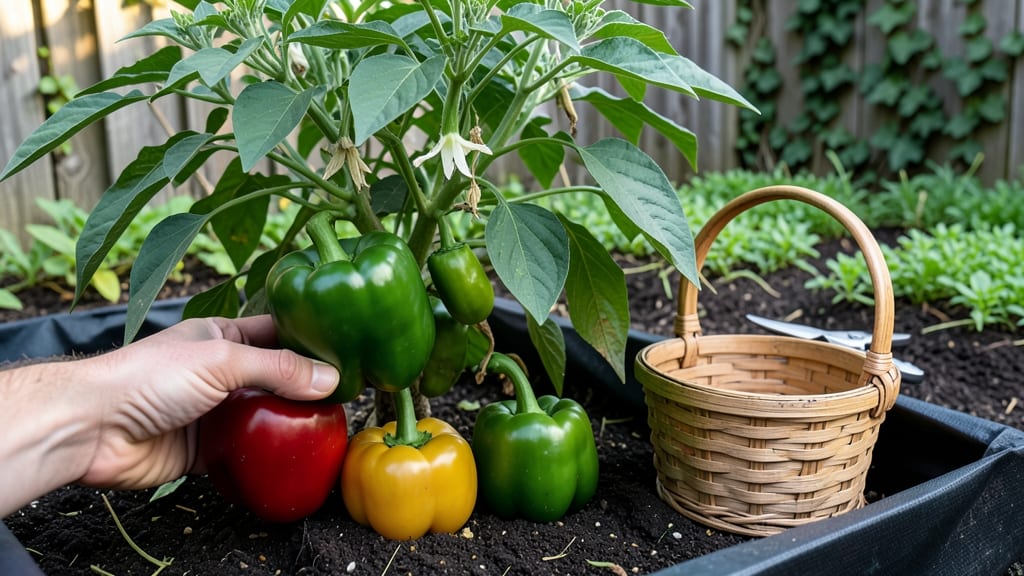
Knowing how to know when green peppers are ready to pick can make the difference between a crisp, flavorful pepper and one that’s tough or bitter. If you’ve ever plucked a pepper too early or left it on the vine too long, you know how frustrating it can be—especially when you’re eager to enjoy (or preserve) your homegrown bounty.
Here’s the good news: with just a few simple checks, you can master the art of picking 🌶️ green peppers at their peak. We’re talking size, color, and even a little firmness test that takes less than 10 seconds.
Whether you’re growing bell peppers in USDA Zone 6a or any other region, these tricks will help you avoid common mistakes and maximize your harvest.
Ready to stop guessing? I’ll walk you through the three key signs that tell you it’s time to pick—plus how to decide whether to harvest for fresh eating, cooking, or long-term storage. By the end, you’ll know not just when to harvest, but why it matters for flavor and yield.
Let’s dive into the foolproof method that’s saved my garden (and my dinner table) from disappointment. You’ll be an expert in no time!


3 Color-stage indicators that green peppers are ready to pick
Green peppers mature at different rates, but their color is your best visual cue. A deep, glossy green signals peak ripeness for fresh eating, while lighter or uneven hues mean they need more time. The key is understanding the three color stages and how they relate to flavor and texture.
First, focus on the base color. Mature green peppers should be a rich, vibrant green, not pale or yellowing. This indicates they’ve absorbed enough sunlight and nutrients. If the pepper looks dull or spotted, it’s either underripe or stressed—common in hot, dry weather.
Next, check for size consistency. Ready-to-pick peppers typically measure 3-4 inches long and 1.5-2 inches wide. Smaller peppers (under 2 inches) are still developing their sweetness, while oversized ones may become tough or bitter.
Here’s the science: Chlorophyll (the green pigment) peaks when peppers are fully ripe for harvest. As they mature further, chlorophyll breaks down, and carotenoids (orange/red pigments) take over—this is why some peppers turn red or yellow if left on the plant.
| Stage | Color | Size | Firmness | Flavor |
|---|---|---|---|---|
| Early | Pale green | <2 inches | Soft | Mild, bland |
| Peak | Deep green | 3-4 inches | Firm | Sweet, crisp |
| Late | Dull green/yellow | >4 inches | Tough | Bitter, seedy |
Pro tip: Use a flashlight trick to check ripeness. Shine a light through the pepper—if you see white streaks inside, it’s not ready. Fully ripe peppers should appear uniformly green with no internal light showing.
Don’t ignore the stem’s role. A ready pepper’s stem should snap cleanly when bent gently. If it resists, the pepper needs more time; if it breaks easily, it’s overripe. This test works best in the morning, when peppers are firmest.
Variety matters! Bell peppers stay green longer than jalapeños, which may turn red or yellow faster. Always check your plant’s label or seed packet for specific maturity timelines—some varieties take 60-75 days to reach peak green ripeness.
Watch for color shifts. If peppers start developing yellow patches or red streaks, they’re past their prime for green harvests. These changes signal the pepper is transitioning to its next maturity stage, which alters flavor and texture dramatically.
Finally, harvest frequency affects ripeness. Pick peppers regularly (every 3-5 days) to encourage more production. Leaving them too long on the plant can lead to overgrowth, reducing both quality and quantity.
Remember: The earlier you harvest, the more peppers your plant will produce. But wait too long, and you’ll sacrifice flavor for size. Balance is key!
3 Color-stage indicators that green peppers are ready to pick
Green peppers mature at different rates depending on the variety, but their color, size, and firmness are the best clues for timing your harvest. Unlike red or yellow peppers, which signal full ripeness, green peppers are typically picked when fully grown but still green.
This stage ensures crisp texture and milder flavor, perfect for fresh eating or cooking.
The deep green color is your first visual cue—look for a glossy, vibrant hue without yellowing or dark spots. Some varieties, like bell peppers, may stay green indefinitely, while others (like jalapeños) transition to red if left too long. Pay attention to these color-stage shifts to avoid overripe peppers.
| Stage | Color | Size | Firmness | Best For |
|---|---|---|---|---|
| Early Green | Pale or light green | Under 2 inches | Soft, yields to pressure | Discard or cook |
| Ideal Green | Deep, glossy green | 3-4 inches | Firm, resists gentle squeeze | Fresh eating, cooking |
| Overripe Green | Dull, yellowing, or spotted | Over 5 inches | Leathery or wrinkled | Cooking only |
Size matters too—green peppers ready to pick typically measure 3 to 4 inches in length, though dwarf varieties may be smaller. Check the stem’s attachment point: a clean snap when bent indicates maturity. If the stem pulls away with resistance, wait a few days.
For varieties like jalapeños or banana peppers, harvest early for a sharper kick, but bell peppers can stay green longer. If you’re unsure, taste one—a crisp, sweet bite confirms readiness.
Avoid harvesting in the heat of the day, as peppers can be softer and more prone to bruising.
Pro tip: Morning harvests yield the best flavor, as peppers absorb less water overnight. Use a sharp knife or pruners to cut stems, leaving a small portion attached to encourage more fruit production. Regular picking also prevents peppers from becoming overcrowded or diseased.
Remember, green peppers won’t ripen further once picked, so timing is key. If you miss the window, they’ll either stay green or turn red (for varieties that do). For storage, pick firm, unblemished peppers and keep them in a cool, dry place for up to a week.