
Planting
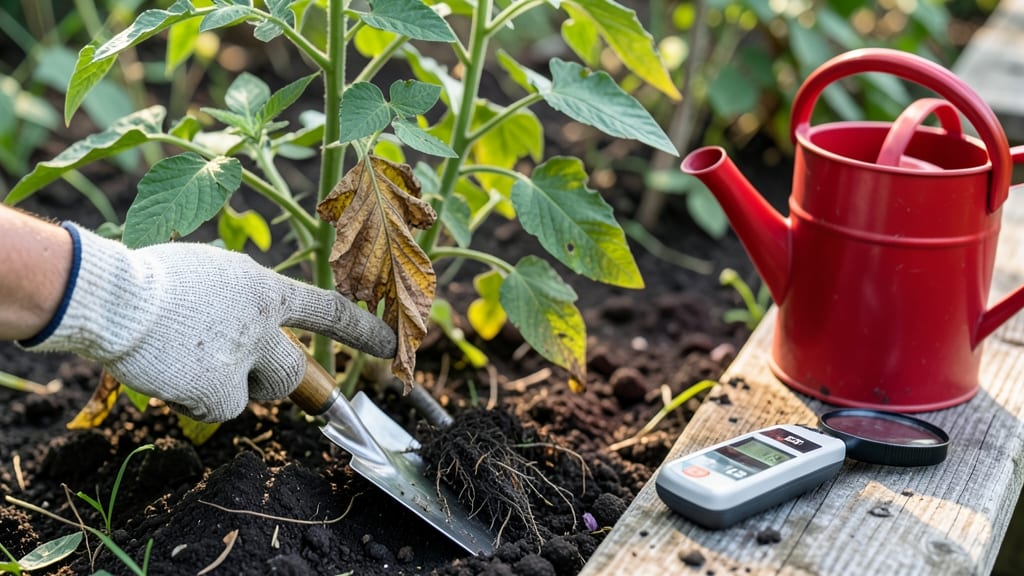
That crisp snap when you bend a stem tells you how to know when a plant is dead—because the difference between a sulking plant and one that’s truly gone can mean the difference between a season’s worth of growth and a wasted effort.
I’ve spent years learning the difference, and the key isn’t just what you see, but how the plant feels when you touch it.
Start with the leaves—if they’re dry, brittle, and crumble like autumn leaves, that’s a red flag. Check the stems: a dead plant won’t bend at all, while a dormant one might still have a little give.
And don’t forget roots—if they’re mushy or smell foul, it’s time to compost. Many gardeners mistake dormancy for death, but a truly dead plant won’t bounce back, no matter how much water you give it.
You’ll know for sure when you see no new growth after weeks of proper care. Even in winter, a living plant holds onto a few green leaves or shows signs of budding.
If your plant looks like a dried-up husk with no signs of life, it’s time to say goodbye—unless you’re growing something like papyrus, which naturally dies back.
Once you confirm it’s gone, remove it completely to prevent disease. But here’s the silver lining: every dead plant teaches you what not to do next time. That’s how you turn heartbreak into wisdom—and next season’s garden into a thriving success.
📚 In This Guide
- What you need
- Instructions
- Tips and common mistakes
- Wrapping up and next steps
What you need
- ○ Healthy reference plant (optional but helpful): A thriving plant of the same type for comparison (if available).
- ● Magnifying glass or loupe: A 10x magnification tool to inspect fine details like root structure or leaf texture.
- ● Sharp pruning shears or scissors: Clean, sterilized tools for cutting stems or roots if needed (e.g., to check for rot).
- ● Small trowel or spoon: For gently digging up roots to assess their condition without damaging the soil.
- ○ Gloves (optional but recommended): Disposable or reusable gloves to protect your hands from soil, sap, or sharp debris.
- ● Water source and spray bottle: A small spray bottle for misting leaves (to test for dehydration) and a larger container for watering.
- ● Notebook and pen: To jot down observations like wilting patterns, discoloration, or pest activity over time.
- ● Ruler or measuring tape: To track leaf drop, stem shrinkage, or other measurable changes.
- ● pH testing kit: To check soil acidity/alkalinity if you suspect nutrient deficiencies or toxicity.
- ● Digital scale: For weighing soil moisture loss or tracking plant weight changes (advanced but useful for data-driven gardeners).
- ● Camera or smartphone: To document progress or compare before/after photos of the plant’s condition.
- ● Soil moisture meter: A handy gadget to measure hydration levels without guesswork.
- ● Pest identification guide (app or book): For spotting early signs of infestations before they worsen.
How to know when a plant is dead: 5 unmistakable signs
Even experienced gardeners can miss these clear signals your plant has passed.
Check for Complete Stem Collapse
When a plant is truly dead, its stems will lose all structural integrity. Gently grasp the main stem between your thumb and forefinger—if it snaps like dry twigs or crumbles into powder, that’s a definitive sign. Live stems have some flexibility, while dead ones feel hollow and brittle.
I’ve seen gardeners mistake wilting for death, but a wilting plant often recovers with proper water. A dead plant’s stems won’t bounce back, even after days of ideal conditions. Look for stems that have turned completely brown or black, not just yellowed at the edges.
Inspect the Roots for Decay
Dig carefully around the base to examine the roots. Healthy roots are firm, white, or light tan with a slight springiness. If they’re mushy, dark brown or black, and smell foul—like rotting fruit or wet newspaper—that’s a clear indicator of death from overwatering or disease.
I’ve pulled up plants thinking they were just dormant, only to find the roots had turned to sludge. If you can’t identify any white root tips or fibrous texture, the plant has likely succumbed to root rot. Even if the leaves still cling, the roots are the true litmus test.
Look for Total Leaf Loss or Blackened Leaves
A plant that’s simply dormant might drop leaves, but a dead plant will have no green tissue left at all. Check for leaves that have turned completely black, crispy, or fallen off entirely. Some plants, like succulents, might shrivel into papery husks, while others simply mummify.
Don’t confuse leaf drop with seasonal shedding—if the plant has no new growth and the remaining leaves are dry and brittle, it’s past saving. I once kept a dying fern in hopes it would recover, but by the time it had no leaves left, the stems were already hollow.
Test for Mold or Fungal Growth
Dead plants often develop fuzzy growths, powdery spots, or strange discoloration where healthy plants wouldn’t. Check the stems, leaves, and soil surface for anything that looks like cottony fuzz, black soot, or slimy patches. These are signs of advanced decay, not just wilting.
I’ve seen gardeners ignore mold until it’s too late, thinking the plant might still pull through. But once mold takes hold, the plant is essentially a nutrient source for fungi. If you see anything resembling white, black, or greenish growths, it’s time to remove the plant entirely.
Confirm with a Smell Test
Give the plant a sniff—dead plants often emit a distinct odor. Healthy plants smell fresh or earthy, while dead ones can smell sour, musty, or like rotting wood. If you catch a whiff of something off-putting, that’s your final clue.
I know it sounds odd, but trust your nose. A plant that’s been dead for days will start to decompose, releasing a pungent smell. If you’re unsure, wait 24 hours—if the stench worsens, it’s definitely time to compost or discard it.
Tips & tricks for diagnosing plant death with confidence
Real talk: Even the most experienced gardeners sometimes miss the signs. Here's how to avoid second-guessing when it's time to say goodbye to your plants.
Stem Integrity is Non-Negotiable: In Step 1, when testing stem collapse, focus on the main stems first—they're the most reliable indicator. A live stem should bend slightly but return to its original shape. If it stays bent or crumbles like dry kindling, that's your definitive sign. I've seen gardeners hold stems too gently—give it a firm squeeze to really test that structural integrity.
Root Examination Requires Patience: For Step 2, don't just glance at the roots—dig carefully around the entire root ball. Healthy roots should resist gentle pulling. If they come away easily or feel slimy, that's your red flag. I've pulled up plants thinking they were just dormant, only to discover the roots had completely rotted away while the leaves still looked green above ground.
Leaf Condition Tells the Whole Story: In Step 3, pay attention to the pattern of leaf loss. A plant that's just struggling might drop a few leaves, but a dead plant will have no green tissue remaining. Even if you see a few stubborn leaves clinging, check their texture—if they're brittle and papery, it's too late. I once kept a dying orchid hoping for recovery, but by the time it had no leaves left, the stems were already hollow.
Smell Test is Your Final Confirmation: The 24-hour waiting period in Step 5 is crucial—sometimes the smell doesn't develop immediately. Place the plant in a sealed plastic bag overnight if you're unsure. If you wake up to a sour or musty odor, that's your confirmation. I've had gardeners tell me they couldn't smell anything, but after sealing the plant in a bag for 12 hours, the odor became unmistakable.
Pro Tips for Know When A Plant Is Dead
- Real talk: Even the most experienced gardeners sometimes miss the signs.
- Stem Integrity is Non-Negotiable: In Step 1, when testing stem collapse, focus on the main stems first—they're the most reliable indicator.
- Root Examination Requires Patience: For Step 2, don't just glance at the roots—dig carefully around the entire root ball.
Frequently asked questions
Got more questions about plant health—or the sad truth of a plant’s demise? Here are answers to the most common concerns, so you can avoid guesswork and give your green friends a proper send-off (or revival!).
Can a plant come back to life after it’s completely wilted or brown?
Sometimes! If the roots are still alive (test by gently tugging—if they resist, they’re fine), prune dead foliage and adjust care (water, light, or soil). But if the stems are mushy, the leaves are crispy, or the roots smell rotten, it’s likely gone. Don’t waste hope—give it a week of proper care first!
How long does it take to confirm a plant is truly dead?
Patience is key! Wait 1–2 weeks after signs like yellowing leaves or wilting appear before declaring defeat. Some plants (like succulents) recover slowly, while others (like ferns) may take longer to show irreversible damage. If no improvement, it’s time to say goodbye.
What should I do with a dead plant? Can I compost it?
Yes! Most dead plants (pests and diseases excluded) make great compost. Do: Remove any moldy or pest-ridden parts first. Don’t: Compost plants treated with synthetic chemicals. For sentimental value, repurpose pots or take a cutting for propagation—you never know!
My plant’s leaves are still green but it’s not growing—is it dead?
Not necessarily! Green leaves can mean the plant is dormant (common in winter) or struggling. Check for roots, stems, and buds. If the plant feels soft, hollow, or emits a foul odor, it’s likely dead. Otherwise, tweak care (light, water, or nutrients) and monitor for 2–3 weeks.
Can I save a plant with only a few brown spots?
Brown spots often signal underwatering, overwatering, or pests. Trim affected areas with clean scissors, adjust watering, and treat pests (neem oil works wonders). If new growth appears within 2–3 weeks, your plant has a fighting chance!
Wrapping up and next steps
Don’t let a sad-looking plant break your green thumb spirit—even if it’s gone, you’ve still gained valuable experience! 🌱 The key is to trust your observations: wilting, discoloration, mold, pests, or an unshakable stench are clear signals it’s time to say goodbye.
But here’s the good news: every gardener starts somewhere, and your next plant will thrive with the knowledge you’ve gained.
Ready to turn that loss into a win? Try reviving a struggling plant first—prune, repot, or adjust care before committing to a fresh start. And if all else fails? Plant something new! Your garden journey is just getting started. 🌿