
Size
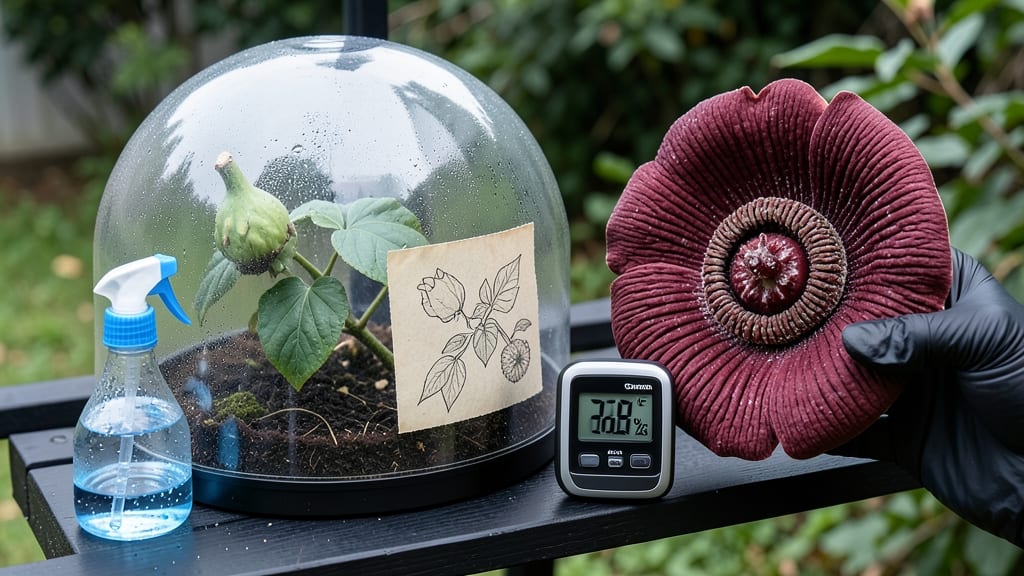
How to get Rafflesia to grow in a garden isn’t just gardening—it’s a jungle adventure in your greenhouse. 🌿 This parasitic flower, the world’s largest bloom, needs a living host (Tetrastigma vine) and a steamy, 80°F+ climate to even consider blooming. Most gardeners won’t get flowers, but the thrill of hosting its vine is worth the challenge.
The real secret? You can’t buy Rafflesia seeds—you need a living Tetrastigma vine, which itself requires years of tropical greenhouse care. Start with a healthy vine, keep humidity near 90%, and mimic its Southeast Asian rainforest home. Even then, blooms take 5-10 years (if they happen at all).
What you will get is a dramatic, fast-growing vine with heart-shaped leaves—proof your setup is working. The smell? Like rotting meat, which attracts pollinators in the wild. (Yes, it’s intentional.) This isn’t a "grow it fast" project, but the process is fascinating for tropical plant nerds.
Fair warning: Rafflesia is protected in the wild, and sourcing vines ethically is tricky. Many "for sale" listings are scams. For home gardeners, focus on growing Tetrastigma first—its own lush, climbing beauty is a rewarding stepping stone. Let’s break down the realistic path to hosting this living legend.
📚 In This Guide
- What you need
- Instructions
- Tips and common mistakes
- Wrapping up and next steps
What you need
- ● Rafflesia seeds or tissue-cultured plantlets: Obtain from a reputable supplier (e.g., Kew Gardens or specialized orchid nurseries). Note: Seeds are extremely rare—plantlets are the best bet!
- ● Host plant (Tetrastigma spp.): Tetrastigma vine (e.g., Tetrastigma planicaule or T. rafflesiana)—the only known natural host for Rafflesia. 1 mature vine (5+ years old) per Rafflesia.
- ● Large, deep containers: 15–20 gallon pots with drainage holes (or a ground plot in tropical climates). Use well-draining soil mix:
- ● 60% peat moss or coconut coir
- ● 20% perlite or pumice
- ● 20% compost or worm castings
- ● Humidity dome or greenhouse: Maintain 80–90% humidity. A clear plastic tent or fogging system works for DIY setups.
- ● Temperature control: Consistent 75–85°F (24–29°C). Use a space heater (for cool climates) or shade cloth (for hot zones).
- ● Misting bottle or automatic mister: Keep soil and air moist but not waterlogged.
- ● Fertilizer: Balanced liquid fertilizer (10-10-10 or 20-20-20), diluted to ½ strength. Apply every 4–6 weeks.
- ● Pruning shears & gloves: For handling vines and plants safely.
- ● Grow lights: LED full-spectrum bulbs (12–14 hours/day) if natural light is insufficient.
- ● pH meter & soil test kit: Ideal pH for Tetrastigma is 5.5–6.5.
- ● Fungicide (organic): Neem oil or copper fungicide to prevent mold in high humidity.
- ● Trellis or support structure: For guiding Tetrastigma vines upward (if growing indoors).
- ● Journal/notebook: Track host plant growth, humidity, and blooming cues—Rafflesia is patient!
Tips & tricks for cultivating Rafflesia's host vine
Creating the perfect jungle environment for Rafflesia's host vine is a marathon, not a sprint—here's how to avoid the common pitfalls along the way.
Species Selection Tip: When choosing your Tetrastigma cuttings, inspect the nodes closely—they should be plump and firm, not shriveled. These nodes are where Rafflesia buds will eventually form, so their health is critical. I've found that cuttings with at least 3-4 visible nodes establish roots faster, giving you a head start in the 3-5 year timeline to flower production. Between us, don't be tempted to use wild-collected vines—pathogens from the forest can devastate your setup within weeks.
Microclimate Mastery: The 75-85°F temperature range is non-negotiable, but achieving 80-90% humidity consistently is where most setups fail. I recommend placing your humidifier near the tent's ceiling where hot air rises—this creates a more even moisture distribution. For that extra insurance, add a second pebble tray (optional) on the opposite side of the tent. Watch for condensation forming on the tent walls—this is your visual confirmation you're maintaining those critical humidity levels.
Soil Science: The 60-20-20 tropical mix is your foundation, but the real magic happens with the worm castings. These aren't just fertilizer—they create beneficial microbial activity that mimics natural rainforest soil. After planting, I like to top the mix with ½ inch of orchid bark mulch (optional) to help retain moisture and prevent soil compaction. The 45-degree angle planting isn't just for aesthetics—it encourages deeper root penetration that will support those future Rafflesia buds.
Long-Term Maintenance: That 3-5 year timeline starts from when you first plant your cuttings, so every decision matters. I've seen growers rush the 6-month thickening phase by over-fertilizing, only to burn their vines and set back progress by months. Stick to the 10-10-10 schedule and remember: thick, woody stems with visible aerial roots are your ultimate goal. These aren't just decorative—they're the biological infrastructure Rafflesia needs to establish itself.
Pro Tips for Get Rafflesia In Grow A Garden
- Creating the perfect jungle environment for Rafflesia's host vine is a marathon, not a sprint—here's how to avoid the common pitfalls along the way.
- Species Selection Tip: When choosing your Tetrastigma cuttings, inspect the nodes closely—they should be plump and firm, not shriveled.
- Microclimate Mastery: The 75-85°F temperature range is non-negotiable, but achieving 80-90% humidity consistently is where most setups fail.
Frequently asked questions
Got questions about cultivating Rafflesia in your garden? You’re not alone—this rare tropical beauty is tricky to grow! Here are answers to the most common queries to help you navigate the process with confidence.
How long does it take for Rafflesia to flower after planting?
Rafflesia is notoriously slow to flower, often taking 5–10 years (or even longer!) from seed germination to its first bloom. Patience is key—focus on nurturing its host plant (Tetrastigma) and mimicking its natural humid, shaded environment. Some gardeners report blooms in 3–5 years with ideal conditions, but don’t rush it!
Can Rafflesia survive in cooler climates like the U.S. or UK?
Unfortunately, no—Rafflesia is a strict tropical plant and cannot survive temperatures below 60°F (15°C). If you live outside a frost-free, humid climate (e.g., Florida, Hawaii, or a greenhouse in zone 10+), you’ll need a heated indoor setup with high humidity (70–90%) and artificial lighting. Consider partnering with a botanical garden or university lab for research opportunities!
What if my Tetrastigma host plant dies before Rafflesia blooms?
This is a common frustration! Rafflesia relies entirely on its host (Tetrastigma) for nutrients and structure. If the host fails, the parasite will too. To prevent this:
- Use a healthy, mature vine (3+ years old) for grafting.
- Keep the host well-watered but not waterlogged.
- Fertilize lightly with balanced organic fertilizer (e.g., 10-10-10).
- Prune the host gently to encourage new growth.
Is it legal to grow Rafflesia at home, and where can I get seeds?
Legality varies by country—some Rafflesia species (like R. arnoldii) are protected and require permits. In the U.S., check USFWS regulations or contact local botanical gardens. Seeds are rare and often sold by specialty nurseries (e.g., Kokopelli’s) or research institutions. Never source from the wild—always buy from reputable sellers.
What are some easier alternatives to Rafflesia for beginners?
If Rafflesia seems too challenging, try these tropical parasite plants that are more beginner-friendly:
- Dodder vine (Cuscuta): Fast-growing, orange-yellow strands that smother hosts (great for indoor experiments!).
- Mistletoe (Phoradendron): Grows on trees and produces small white berries—legal in many areas.
- Corpse flower (Amorphophallus titanum): Stinky but easier to bloom than Rafflesia!
My Rafflesia buds are rotting—what went wrong?
Rotting buds usually signal overwatering, poor airflow, or fungal issues. Fix it by:
- Reducing watering—let the soil dry slightly between waterings.
- Improving airflow with a small fan (set to low).
- Spraying neem oil or copper fungicide to prevent mold.
- Ensuring the host vine has no root rot (check for mushy roots).
Wrapping up and next steps
Growing a Rafflesia—the world’s largest flower—is a thrilling but challenging adventure that rewards patience and dedication. 🌺 By mastering the art of cultivating its host vine (Tetrastigma) in a humid, tropical microclimate and mimicking its wild conditions, you’re well on your way to unlocking nature’s rarest beauty.
Remember, success hinges on consistency, observation, and a little luck—just like nurturing any exotic treasure!
Ready to take the next step? Start by expanding your garden’s biodiversity—plant companion species like ferns or orchids to create a lush, thriving ecosystem. Or, dive deeper into advanced propagation techniques to refine your skills.
Every gardener’s journey begins with a single seed (or, in this case, a Tetrastigma cutting)—so get growing! 🌱