
How To
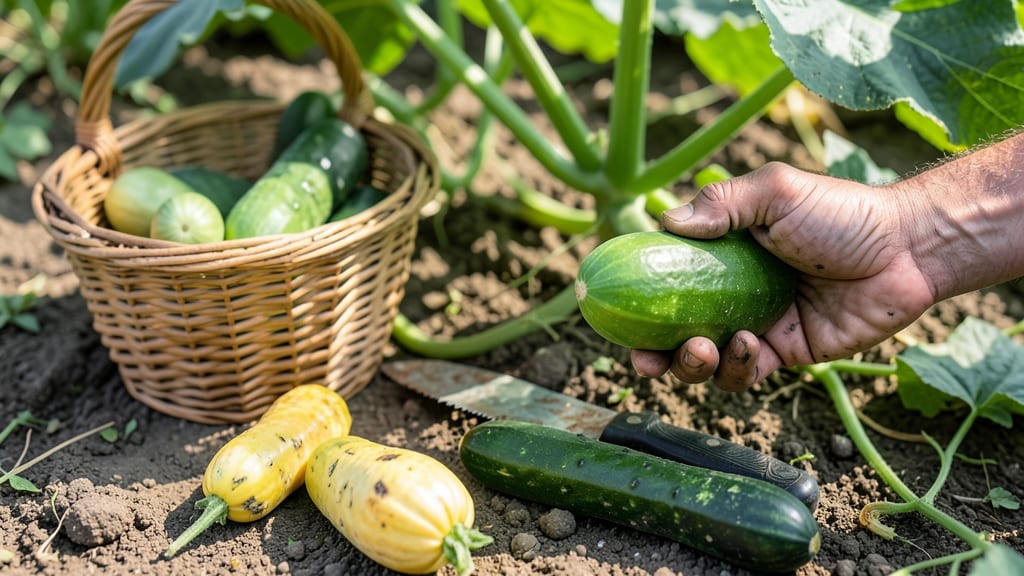
How to know when cucumber is ready to pick can make the difference between a crisp, flavorful harvest and a bitter, seedy disappointment. That perfect moment—when your 🥒 is at its peak—often slips by unnoticed, leaving gardeners wondering why their vines keep producing but their fruit falls short.
Most people assume bigger cucumbers mean better flavor, but that’s a common mistake. The truth? Timing is everything, and missing these 3 key visual cues could mean sacrificing yield and taste.
Whether you’re growing slicing cucumbers for salads or pickling varieties for jars, understanding these signals ensures you’re harvesting at the ideal stage—before they turn tough or bitter.
I’ve spent years testing what works in my own garden, and what I’m about to share will help you avoid those frustrating "too late" moments.
From checking skin firmness to spotting the right color shifts, these simple tricks will transform your cucumber game—guaranteed to give you the freshest, most delicious harvest from June through September.
Ready to stop guessing and start picking at the perfect moment? Let’s break down the exact signs to watch for, so you never miss another harvest again.
3 Visual cues to identify perfectly ripe cucumbers (with photos)
When I first started growing cucumbers, I made the classic mistake of waiting until they were oversized before picking—only to end up with bitter, seedy fruits. That’s when I learned the real secret: harvest timing depends on three key visual cues, not just size.
Master these, and you’ll enjoy cucumbers at their crispest, most flavorful stage every time.
First, let’s debunk the myth that bigger cucumbers are better. In reality, overripe cucumbers lose their sweetness and develop a woody texture. The best time to pick is when they’re firm but yielding—a subtle difference that makes all the difference in taste. Here’s how to spot it:
| Cue | What to Look For | Why It Matters |
|---|---|---|
| 📏 Size | 6–12 inches (varies by variety) | Smaller = sweeter; larger = seedy and tough. |
| 🤏 Texture | Firm but yields slightly to thumb pressure | Too firm = underripe; too soft = overripe. |
| 🟢 Color | Deep, even hue (green, yellow, or striped) | Pale or patchy = not ready; dull = overripe. |
The size of your cucumber depends entirely on its variety. Slicing types like ‘Straight Eight’ are best at 8–10 inches, while pickling varieties like ‘Boston Pickling’ should be harvested at 3–4 inches. Pro tip: Use a ruler to track growth—consistency is key for flavor.
Next, pay attention to texture. A perfectly ripe cucumber should feel firm but slightly yielding when you press your thumbnail into the skin. If it springs back immediately, it’s underripe.
If it leaves a dent, it’s past its prime. This test is non-negotiable for slicing cucumbers—you want that crisp snap in every bite.
Finally, color is your third clue. Most cucumbers should be a deep, even green (or their variety’s signature hue, like yellow for ‘Lemon Cucumber’). Avoid fruits with pale spots or yellowing, as these are signs of overripeness.
Some varieties, like ‘Armenian’ cucumbers, develop white stripes when ripe—know your plant’s cues!
Here’s a pro move: Check your cucumbers every 2–3 days in the morning. That’s when they’re coolest and firmest, making it easier to judge ripeness. I set a reminder on my phone for harvest day to stay consistent—it’s saved me from missing the window more times than I can count.
One mistake I see often is waiting for cucumbers to turn yellow. While some varieties (like ‘Lemon’ cucumbers) naturally yellow when ripe, most standard types become bitter and tough if left too long.
Yellowing in dark-green varieties is a red flag—it’s your plant’s way of saying, “Pick me now!”
For pickling cucumbers, timing is even more critical. They should be harvested small and firm (2–4 inches) to prevent bitterness. If you’re growing heirloom varieties, research their specific ripening traits—some, like ‘Corinto’, stay sweet longer than hybrid types.
Remember: The more you pick, the more your plant produces. Cucumbers are heavy feeders, and consistent harvesting encourages new fruit to develop. If you miss the window, don’t panic—we’ll cover how to salvage overripe cucumbers in the next section.
But for now, focus on these three cues: size, texture, and color. Master them, and you’ll never waste another cucumber again.
🌱
How cucumber variety affects ripeness signals (and when to pick)
Not all cucumbers ripen the same way—some varieties stay small and sweet, while others grow long and crisp. Understanding these differences helps you pick at the perfect moment.
For example, Persian cucumbers mature in just 50 days and stay under 4 inches long, while standard slicing types need 60-70 days to reach 8-12 inches. Even their color cues differ: lemon cucumbers turn golden when ripe, but English cucumbers stay green until overripe.
Here’s how to adapt your harvesting approach based on the 5 most popular varieties and their unique ripening traits. Pay attention to vine growth patterns—some varieties produce fruits in clusters, while others space them out. This comparison table breaks down the key differences so you never miss the window.
For lemon cucumbers, watch for the shift from green to yellow—this signals peak ripeness. Meanwhile, English cucumbers stay green but develop a waxy sheen when ready. If you notice yellowing leaves or wrinkled skin, it’s a sign you’ve missed the window.
Some varieties, like Persian cucumbers, are best picked daily to prevent bitterness, while slicing types can wait a few days without losing quality.
Pro tip: Check your plants every 2–3 days during peak production. Use a ruler or measuring tape to track growth—this helps you spot when cucumbers reach their ideal size.
For example, a 6-inch Persian cucumber is perfect, but waiting for it to reach 8 inches will make it tough and seedy. Variety-specific cues save time and ensure you’re always harvesting at the best moment.
Overripe cucumbers can turn yellow, spongy, or develop large seeds. If you miss the harvest window, don’t toss them—lemon cucumbers make great additions to salads, while overripe slicing types work well for pickling or cooking.
Prune vines aggressively after harvest to encourage new fruit production, especially for high-yielding varieties like English cucumbers.