
How To
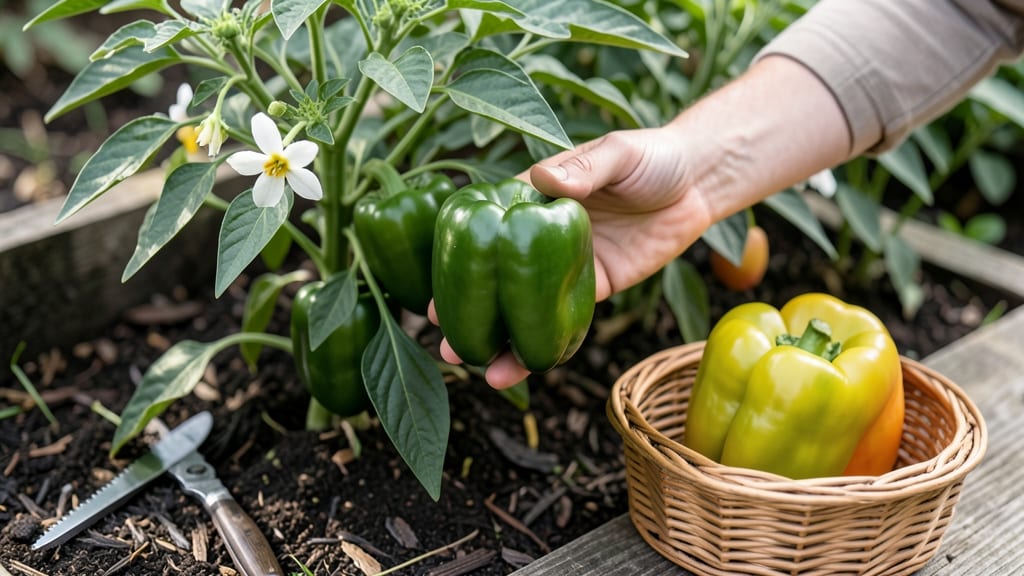
How to know when to pick green bell peppers 🌶️ can make the difference between a crisp, flavorful harvest and a bitter disappointment. The right timing isn't just about color—it's about texture, size, and even how the pepper feels in your hand.
If you've ever pulled a pepper too soon and regretted the meal, you're not alone. The key is learning these subtle cues that most gardeners miss, like firmness and stem separation. I'll show you exactly what to look for so you never waste another pepper again.
Harvesting at the perfect moment ensures your peppers stay tender and packed with flavor, whether you're grilling, stuffing, or snacking fresh. Let's break down the 3 simple tests that will transform your garden's yield this season.
From checking skin glossiness to comparing sizes, these tricks work for both beginners and seasoned growers in USDA Zone 6a. Ready to master the art of pepper picking? Let's get started.


3 Tactile tests to determine ripeness in green bell peppers
Green bell peppers are ready to pick when they reach the perfect balance of size, firmness, and stem maturity. Unlike ripe red or yellow peppers, green bell peppers are harvested before full ripeness, so tactile tests are your best guide.
I’ve learned that relying on color alone can lead to disappointment—peppers that look ready might still be too tough or bitter.
Start by checking the stem end of the pepper. For green bell peppers, the stem should turn a light brown color, signaling maturity. If it’s still green, the pepper needs more time.
This simple visual cue saves me from picking underdeveloped fruit that lacks flavor. Pair this with a firmness test to confirm readiness.
Firmness Test
Gently squeeze the pepper. It should feel firm but slightly yielding, like a ripe avocado. If it’s too hard, it’s not ready; if it’s mushy, it’s overripe. This test helps me avoid both underdeveloped and past-their-prime peppers.
Size Comparison
Green bell peppers typically reach 3-4 inches in length when ready. Hold the pepper next to a ruler or compare it to similar-sized peppers you’ve harvested before. Smaller peppers are often underdeveloped and may lack sweetness.
Stem Separation Test
Gently twist the pepper at its stem. If it snaps cleanly with minimal resistance, it’s ready. If the stem resists or tears, the pepper needs more time. This test ensures you’re picking peppers at their peak texture and flavor.
Harvesting at the right time isn’t just about taste—it’s also about encouraging more production. Removing ripe peppers signals the plant to focus energy on developing new fruit. I’ve found that picking consistently every 2-3 days during peak season keeps my plants productive and reduces the risk of overripe peppers.
One common mistake I see is waiting too long for peppers to turn red or yellow. Green bell peppers are meant to be harvested before full ripeness, so don’t fall into the trap of thinking they need to change color.
Overripe peppers develop tough, leathery skin and a bitter taste, which is a shame after all your hard work.
For the best results, harvest in the morning when temperatures are cooler. This reduces stress on the plant and ensures the peppers stay fresh longer.
Store them in a cool, dark place (like a crisper drawer) for up to a week, or use them immediately for the best flavor and texture.
If you’re still unsure, remember this rule of thumb: when in doubt, wait a day or two. It’s better to have slightly underripe peppers than ones that are past their prime.
With these tactile tests, you’ll consistently harvest green bell peppers at their peak—crisp, flavorful, and ready for your favorite recipes.
Green bell pepper maturity stages: what to watch for beyond color
Green bell peppers mature at different rates, but their readiness for harvest isn't just about color—it's about physical cues that reveal peak flavor and texture. Many gardeners focus only on the green hue, but subtle changes in size, stem color, and skin texture signal true ripeness.
Ignoring these signs can lead to peppers that are either underdeveloped or overripe, compromising taste and usability.
For example, a pepper might appear green but still feel soft or rubbery—a clear sign it needs more time on the plant. Conversely, waiting too long can result in tough, seedy peppers that lack the crispness we love.
By paying attention to these maturity indicators, you’ll ensure every pepper you pick is perfect for your intended use, whether it’s fresh eating, grilling, or pickling.
The vein color inside the pepper is another often-overlooked clue. When the inner veins turn from white to light green or yellowish**, it’s a sign the pepper is nearing maturity.
This change happens gradually, so check peppers every 2–3 days during peak growing season (July–August) to catch them at their sweetest. Pro tip: Use a small knife to make a tiny slit along the seam—this lets you peek inside without damaging the pepper.
Growth rate also plays a role. In hot climates, peppers mature faster, sometimes in as few as 50–60 days, while cooler zones may take up to 90 days.
If your peppers are growing slowly, don’t rush the harvest—underripe peppers develop a bitter, grassy flavor that’s hard to mask. Instead, focus on optimizing growing conditions: ensure they get 6+ hours of sunlight daily and maintain consistent moisture without waterlogging the soil.
One common mistake is assuming all green bell peppers are the same. Varieties like ‘Sweet Banana’ or ‘California Wonder’ mature differently, so always check the seed packet for days-to-maturity guidelines.
For example, ‘Sweet Banana’ peppers often reach harvest size faster than ‘Jalapeño’ varieties, even though both are green. Adjust your expectations based on the specific cultivar you’re growing.
Finally, pay attention to the pepper’s glossiness. A truly ripe green bell pepper has a slightly waxy sheen, while underripe ones look dull. Overripe peppers may develop a matte finish or even small cracks.
Harvest at the right time, and you’ll enjoy peppers that are crisp, flavorful, and perfect for any recipe—no compromises needed!