
Companion Plants
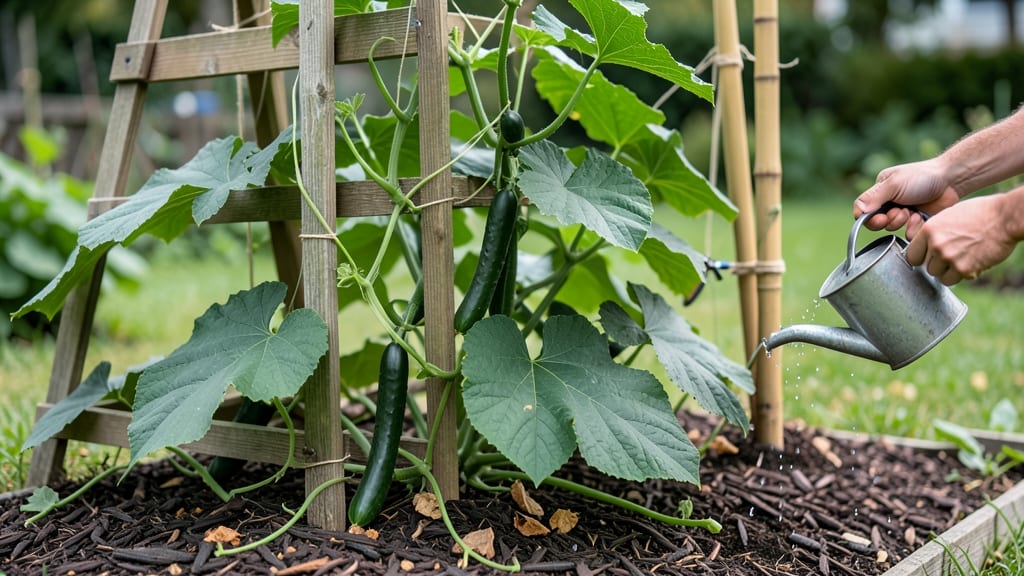
How to maintain cucumber plants that climb like vines in a jungle—except these feed you. 🌿 My first attempt at growing cucumbers ended in a tangled mess of sprawling plants and bitter-tasting fruit. Now, I know the secrets to keeping them productive, pest-free, and actually tasty.
Start with well-draining soil and a sunny spot (6-8 hours of light daily). Water at the base—not the leaves—to avoid mildew, and mulch to keep roots cool. Prune regularly to encourage airflow, and watch for yellowing leaves (a sign of overwatering or pests).
Trellising isn’t just for show—it keeps fruit clean, reduces disease, and makes harvesting easier.
You’ll harvest crisp, sweet cucumbers in 50-70 days if you stay consistent. The key is balance: enough water to keep vines happy but not soggy, enough pruning to control growth, and enough vigilance to spot pests early.
Companion plants like marigolds or nasturtiums act as natural pest deterrents, while beans fix nitrogen in the soil.
Even in small spaces, cucumbers thrive—just adjust your trellis height. Container growers, don’t worry: a 5-gallon pot works for bush varieties. The goal isn’t perfection; it’s progress. My first harvest was small, but now I’m filling jars with pickles and salads straight from the vine.
📚 In This Guide
- What you need
- Instructions
- Tips and common mistakes
- Wrapping up and next steps
What you need
- ● Cucumber seeds or seedlings: Choose heirloom or hybrid varieties (e.g., 'Straight Eight,' 'Lemon,' or 'Marketmore'). Buy 5–10 seeds or 3–5 seedlings per plant.
- ● Containers or garden bed: Containers: 5–10 gallon pots (1 per plant) with drainage holes.
- ● Garden bed: Well-draining soil in a sunny spot (6+ hours of sunlight daily).
- ● Potting mix or garden soil: Lightweight, nutrient-rich mix (e.g., 60% compost, 30% topsoil, 10% perlite/sand).
- ● Fertilizer: Organic: Compost, worm castings, or balanced organic fertilizer (5-5-5 or 10-10-10).
- ● Synthetic: Slow-release granular fertilizer (follow package rates).
- ● Watering can or hose: With a gentle spray nozzle for even moisture.
- ● Trellis or stakes: 4–6 ft tall (for vining varieties like 'Straight Eight').
- ● Pruning shears: Sharp, clean pair for trimming.
- ● Mulch: Straw or shredded leaves (2–3 inches thick) to retain moisture.
- ● Companion plants: Marigolds, nasturtiums, or beans to deter pests.
- ● Epsom salt: 1 tbsp per plant monthly for magnesium boost.
- ● Row covers: Lightweight fabric to protect from pests or frost.
- ● pH test kit: Ideal soil pH: 6.0–6.8 (adjust with lime or sulfur if needed).
- ● Drip irrigation system: For consistent watering (especially in hot climates).
Step-by-step instructions for maintaining cucumber plants
Here's my battle-tested approach to keeping cucumbers thriving—whether in a garden bed or containers.
🌱 Step 1: Ensure Proper Watering for Healthy Vines
Cucumbers demand 1-2 inches of water weekly, delivered consistently at the base to prevent powdery mildew. I water deeply in the morning so foliage dries by evening—this prevents fungal diseases that thrive in damp leaves. Use a soaker hose or drip irrigation to avoid wetting the leaves directly.
Check soil moisture by pushing your finger 1 inch deep—if it feels dry, it's time to water. Overwatering causes blossom-end rot, while underwatering leads to bitter fruit. Mulch with 2-3 inches of straw or shredded leaves to retain moisture and suppress weeds, which compete for water.
☀️ Step 2: Provide Support and Optimal Sunlight
Cucumbers need 6-8 hours of full sun daily for maximum production. If your plants start stretching toward light with pale, weak growth, they're not getting enough. Install a trellis, cage, or stakes at planting time—vines will twine naturally, but support prevents fruit rot from ground contact.
Prune suckers (small shoots in leaf axils) to direct energy toward fruit production. I leave 1-2 main vines per plant, removing any that grow below the first flower cluster. This improves air circulation, reducing disease risk while boosting yield.
💧 Step 3: Fertilize Strategically for Continuous Harvest
Feed cucumbers with a balanced 10-10-10 fertilizer at planting, then switch to a low-nitrogen, high-phosphorus formula (5-10-10) when flowers appear. I apply fertilizer every 3-4 weeks during the growing season, always watering before and after to prevent root burn.
Organic growers can use compost tea or fish emulsion—both provide micronutrients without salt buildup. Watch for yellowing leaves, which signal nitrogen deficiency, or stunted growth, indicating phosphorus needs. Adjust accordingly, but never fertilize stressed plants (like those wilting from heat).
✂️ Step 4: Prune and Harvest Regularly for Productivity
Harvest cucumbers when they reach 6-8 inches long for peak flavor and to encourage more production. I check plants every 2-3 days during peak season—overripe fruit saps energy from the vine. Use pruning shears to cut stems ½ inch above the fruit to prevent disease entry points.
Remove any yellow or diseased leaves immediately to stop pathogen spread. If vines grow too dense, thin them to 12-18 inches apart for better airflow. This simple pruning keeps plants manageable and maximizes sunlight penetration to lower leaves.
🌿 Step 5: Monitor for Pests and Diseases Proactively
Inspect cucumber plants weekly for aphids, cucumber beetles, and spider mites. I spray plants with neem oil at the first sign of pests—it's organic and disrupts their life cycles. For cucumber beetles, I use floating row covers during early growth to prevent egg-laying.
Powdery mildew appears as white, powdery patches on leaves. At the first sign, remove affected foliage and apply a baking soda spray (1 tsp baking soda + 1 quart water + a drop of dish soap). Space plants 18-24 inches apart to improve airflow, which naturally deters fungal issues.
Tips & tricks for thriving cucumber plants
Between us, these small adjustments can transform your cucumber harvest from meager to magnificent—without extra effort.
Watering Wisdom: The 1-2 inches of water per week is non-negotiable, but timing matters just as much. I've learned the hard way that watering in the morning isn't just about disease prevention—it gives the vines time to absorb moisture before the heat of the day. If you must water in the evening, do it at least 3 hours before sunset so leaves have time to dry completely. That 1-inch soil moisture check? Use your finger at the same depth every time to build consistency in your watering routine.
Sunlight Strategy: Those 6-8 hours of sunlight aren't just about quantity—they're about quality. If your plants start stretching toward light with pale stems, they're telling you they need more direct exposure. I've found that positioning cucumbers near the south side of containers or garden beds maximizes their sun exposure. For container growers, rotate your pots every few days to ensure even sun exposure all around the plant. This simple rotation can double your yield by preventing one-sided growth.
Fertilizer Finesse: The switch from 10-10-10 to 5-10-10 when flowers appear isn't just about numbers—it's about supporting fruit development over leaf growth. I've noticed that organic growers using compost tea often see even better results because it provides micronutrients without the risk of salt buildup from synthetic fertilizers. When applying, always water first to prevent root burn, and never fertilize stressed plants—this is where most gardeners make their biggest mistake.
Harvest Hack: That 6-8 inch size guideline for harvesting? It's not just about flavor—it's about plant energy. I check my plants every 2-3 days during peak season because overripe cucumbers actually drain energy from the vine, reducing future production. The ½-inch stem cut when harvesting might seem small, but it prevents disease entry points that can spread throughout the plant. This precise cutting technique has kept my plants healthier for entire seasons.
Pro Tips for Maintain Cucumber Plants
- Between us, these small adjustments can transform your cucumber harvest from meager to magnificent—without extra effort.
- Watering Wisdom: The 1-2 inches of water per week is non-negotiable, but timing matters just as much.
- Sunlight Strategy: Those 6-8 hours of sunlight aren't just about quantity—they're about quality.
Frequently asked questions
Got questions about keeping your cucumber plants thriving? You’re not alone! Here are some of the most common concerns—plus quick, actionable answers to keep your vines happy and productive.
How often should I water cucumber plants?
Cucumbers need 1–2 inches of water per week, especially during flowering and fruiting. Water deeply at the base (not the leaves) to prevent disease, and aim for morning watering to reduce evaporation. Mulch helps retain moisture—just avoid soggy soil!
When is the best time to harvest cucumbers?
Harvest when cucumbers are firm, bright green, and 6–8 inches long (smaller = crunchier!). Use a sharp knife or pruners to avoid damaging the vine. Check daily—overripe cucumbers turn yellow, bitter, and attract pests. Pro tip: Pick consistently to encourage more production!
What should I do if my cucumber leaves are yellowing?
Yellow leaves often signal overwatering, nutrient deficiency (like nitrogen), or pests (e.g., aphids, spider mites). Check the soil—it should be moist but not waterlogged. Feed with a balanced fertilizer (like 10-10-10) and inspect undersides of leaves for pests. Prune damaged leaves to redirect energy to healthy growth.
Can I grow cucumbers in containers? What’s the best setup?
Yes! Use a 5-gallon container minimum with drainage holes and fill it with well-draining potting mix. Choose bush varieties (like ‘Bush Champion’) for smaller spaces. Train vines with a trellis or cage to save space and improve airflow. Rotate containers occasionally for even sunlight exposure.
Why aren’t my cucumbers fruiting—just flowers?
Poor fruiting often stems from lack of pollination, extreme heat (>90°F), or uneven watering. Hand-pollinate by gently shaking plants or using a paintbrush to transfer pollen. Ensure consistent moisture and avoid over-fertilizing with nitrogen (focus on phosphorus for blooms). Thin flowers if overcrowded—this boosts fruit size!
| Quick Fixes | When to Use |
|---|---|
| Epsom salt (1 tbsp/gallon water) | Yellowing leaves (magnesium deficiency) |
| Neem oil spray | Pests like cucumber beetles |
| Fish emulsion fertilizer | Slow growth or pale foliage |
Wrapping up and next steps
Growing cucumbers is a rewarding journey, and with the right care, you’ll enjoy a bountiful, healthy harvest 🌱. Remember to prioritize well-draining soil, consistent watering, and proper support for vines—small efforts that make a big difference!
Whether you’re a beginner or a seasoned gardener, these proven tips will set you up for success.
Now that you’re armed with knowledge, why not take the next step? Try experimenting with companion plants like dill or radishes to boost growth, or share your progress with fellow gardeners. Happy planting—your future crisp, homegrown cucumbers are waiting! 🥒✨