
Pests
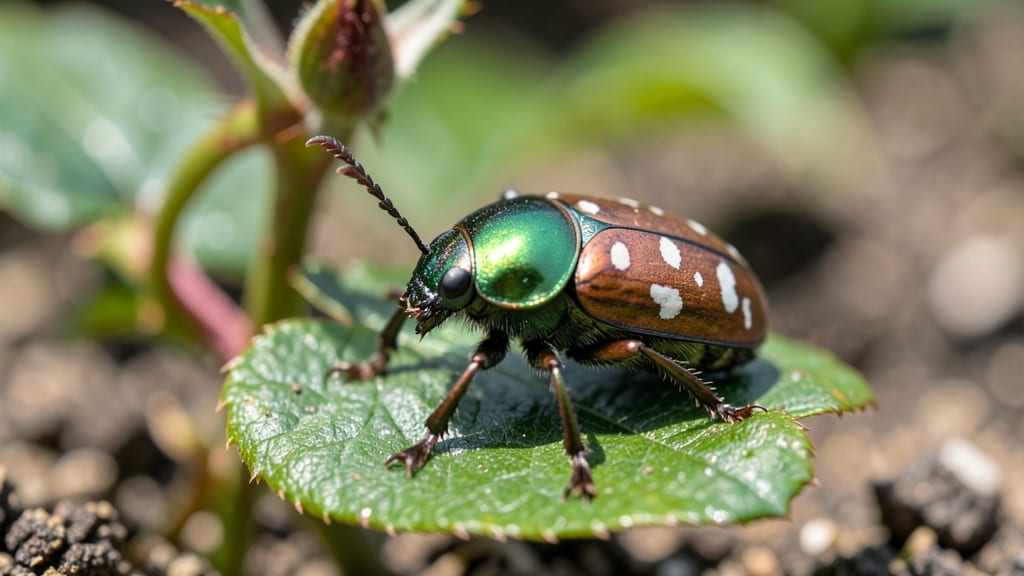
Japanese beetles swarm my roses every summer—until I deploy these beer traps. 🌿 The secret weapon? A simple bucket, water, and a little beer lure that outsmarts their feeding instincts. Within days, my garden stops looking like a beetle buffet.
You’ll need just three supplies: a plastic bucket, water, and 1-2 cups of beer (the yeast is what attracts them). No fancy equipment, no chemicals—just biology working against these striped invaders. The key is timing: set traps early morning when beetles are sluggish but still active.
By evening, you’ll see the results—dozens of drowned beetles at the bottom. The trap works best when placed near high-traffic plants like roses, grapes, or linden trees. For extra protection, pair it with handpicking in the early morning hours.
This method is eco-friendly, chemical-free, and works faster than waiting for nature to balance itself. Plus, it’s a satisfying way to reclaim your garden without harming pollinators like bees—just avoid placing traps near flowers they need.
📚 In This Guide
- What you need
- Instructions
- Tips and common mistakes
- Wrapping up and next steps
What you need
- ● Beer (12 oz can or bottle) – Use a light-colored beer (like lager or pilsner) for best results. Avoid dark beers, as they may attract other pests.
- ● Plastic container or bucket (1–2 gallons) – A clear or translucent container works best (e.g., a 1-gallon milk jug or a 5-gallon bucket with holes).
- ● Scissors or utility knife – For cutting holes in the container.
- ● Duct tape or strong tape – To seal edges and reinforce cuts.
- ● Ruler or measuring tape – For marking precise hole sizes.
- ● Drill with small bit (¼–½ inch) – For cleaner hole cuts if scissors aren’t sharp enough.
- ● Permanent marker – To mark hole locations before cutting.
- ● Plastic wrap or cheesecloth – To cover the top of the trap and keep beetles from escaping.
- ● Gloves – If you’re squeamish about handling beetles (or just want to avoid sticky beer residue!).
Step-by-Step instructions for making a Japanese beetle trap
Here's the foolproof method I've used for years to clear my garden in days.
🪴 Step 1: Gather the Right Supplies
You'll need a clean, empty plastic container with a lid—think a gallon-sized milk jug or a 5-gallon bucket. The key is the lid must fit snugly to trap beetles inside. I like to use a 1-gallon container because it's easy to handle and holds enough beer to attract a crowd.
Next, grab a 6-pack of beer—any type works, but I've found light lagers attract the most beetles. Avoid dark beers with strong flavors; they can mask the scent beetles are drawn to. You'll also need a permanent marker to label your trap and a pair of scissors or a utility knife.
✂️ Step 2: Prepare the Container
Cut the container in half horizontally, creating a 2-inch deep basin for the beer. This depth is perfect—deep enough to hold beer but shallow enough that beetles can easily climb in. Place the lower half on a stable surface where you can monitor it daily, like a porch or patio.
Pour 1 inch of beer into the bottom of the container. The liquid should cover the base but leave enough space for beetles to land and drown. If you're using a 5-gallon bucket, you'll need about 2-3 inches of beer—just enough to create a tempting pool. Avoid overfilling, or the trap will become a mess.
💧 Step 3: Set Up the Trap
Place the trap in an area where Japanese beetles are active—near roses, grapes, or other plants they love. I like to set mine 10-15 feet from the garden edge, where beetles are likely to fly but not so far that they avoid it. The beer's scent will draw them in within hours.
Leave the lid off the container for now. The open top creates a one-way entry system—beetles fly in to drink, but they can’t escape. Check the trap every 24 hours and empty the drowned beetles into a bucket of soapy water to dispose of them. Refill with 1 inch of fresh beer each time to keep the scent strong.
☀️ Step 4: Monitor and Maintain the Trap
Japanese beetles are most active on warm, sunny days between 10 AM and 4 PM. That’s when you’ll see the most activity in your trap. If you notice fewer beetles after a few days, move the trap to a new location—they’ll find it eventually.
Here’s the thing—don’t be tempted to use other liquids like soda or wine. Beer’s yeast and sugar content is specifically attractive to them. If your trap isn’t working after 3-4 days, check for these common mistakes: the container might be too deep, the beer might be stale, or the trap might be too far from beetle hotspots.
⏰ Step 5: Expand for Maximum Effect
For larger gardens, set up 2-4 traps spaced 20 feet apart. The more traps you have, the faster you’ll clear your garden. I’ve seen traps fill up with 50+ beetles in a single day during peak season—it’s shocking how effective this method is.
Once the beetle population drops, you can reduce the number of traps or stop using them entirely. Just remember: the beer trap is a temporary solution. For long-term control, consider planting neem oil-treated flowers or introducing milky spore bacteria to your soil. These traps work fast, but prevention keeps them away for good.
Tips & tricks for perfect Japanese beetle trap setups
Here's what I learned after years of testing—these small tweaks make all the difference between a trap that works and one that fails.
Container Depth Matters: The 2-inch depth specified in Step 2 is perfect for a reason—it creates just enough space for beetles to land and drown while preventing spills. If you're using a 5-gallon bucket, stick to the 2-3 inches of beer recommendation, but never exceed 3 inches or the trap becomes a mess. I once used a 4-inch depth and spent more time cleaning beer spills than collecting beetles.
Beer Selection Tip: While any beer works, I've found light lagers consistently attract the most beetles because their subtle sweetness mimics the plant nectar beetles prefer. Avoid dark beers or ales—their strong flavors can actually repel them. If you're using a 6-pack, open one bottle first to check the scent; if it smells too strong or bitter, switch to a different brand.
Placement Strategy: The 10-15 feet distance from garden edges in Step 3 is ideal because it positions the trap where beetles are actively flying but not so far they'll avoid it. For maximum effectiveness, place traps near plants beetles love—roses, grapes, or fruit trees. I've seen traps near grapevines fill up with 50+ beetles in a single day during peak season (10 AM to 4 PM on warm days).
Maintenance Hack: When you refill with 1 inch of fresh beer every 24 hours, add a drop of dish soap to the soapy water bucket you use for disposal. This creates a more effective kill solution and prevents the beetles from floating back to the surface. I also label my traps with the date using the permanent marker—this helps track how many beetles you're collecting over time.
Pro Tips for Make A Japanese Beetle Trap
- Here's what I learned after years of testing—these small tweaks make all the difference between a trap that works and one that fails.
- Container Depth Matters: The 2-inch depth specified in Step 2 is perfect for a reason—it creates just enough space for beetles to land and drown while preventing spills.
- Beer Selection Tip: While any beer works, I've found light lagers consistently attract the most beetles because their subtle sweetness mimics the plant nectar beetles prefer.
Frequently asked questions
about Japanese beetle traps—because even the best DIY solutions come with questions! Here’s what you need to know before you start trapping.When is the best time to set up a Japanese beetle trap?
Set traps early in the season—typically late May to early June—when beetles first emerge. Wait until daytime temperatures hit 75°F+ for best results. If you’re late, beetles may already be feasting on your plants, but traps can still help reduce populations.
Can I use any type of alcohol in the trap instead of beer?
Yes! While beer works well, other fermented liquids like wine, cider, or even apple cider vinegar can attract beetles. Avoid clear alcohols like vodka—they’re less effective. Pro tip: Add a splash of dish soap to the liquid to break surface tension and drown beetles faster.
Why aren’t my traps catching any beetles?
Check these common issues:
- Placement: Hang traps 3–5 feet high in shady areas (beetles avoid direct sunlight).
- Bait strength: Use 1–2 cups of beer per trap—too little means weak scent.
- Timing: Beetles are most active mid-morning to early afternoon.
- Competition: Overwatered or stressed plants may distract them from your trap.
Will traps harm my plants or beneficial insects?
Traps only target Japanese beetles, but they can attract more beetles if placed near gardens. To minimize risks:
- Set traps at least 20–30 feet away from plants.
- Avoid using commercial traps (they’re less selective).
- Release ladybugs or parasitic wasps nearby to naturally control beetle populations.
How often should I empty and refill the trap?
Empty traps every 2–3 days to prevent overflow and keep the scent strong. Refill with fresh beer or bait, and rinse the container with soapy water to remove beetle pheromones that might repel new arrivals. Weekend maintenance keeps your trap working at peak efficiency!
Wrapping up and next steps
You’ve got everything you need to banish those pesky Japanese beetles with a simple, effective, and budget-friendly trap! 🎉 By combining beer, containers, and a little patience, you’ll see a noticeable drop in beetle activity in just a few days.
Remember—consistency is key, so check and refresh your traps regularly for the best results.
Now that you’re armed with this beetle-busting strategy, why not take it a step further? Share your success with neighbors or explore organic pest control methods to keep your garden thriving all season long! 🌿