
Shrubs
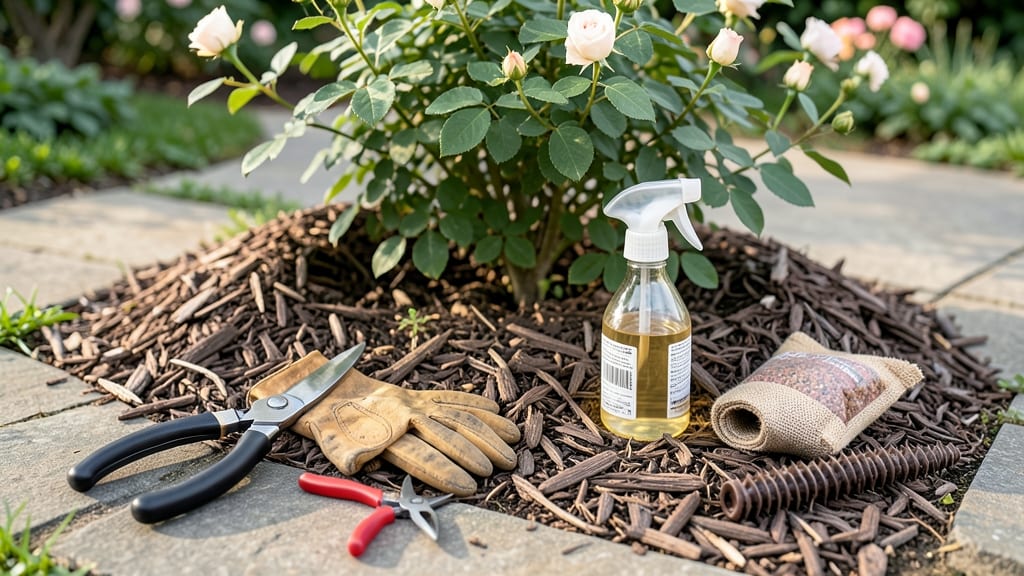
Your rose bush looks like a sad, one-armed hunchback instead of a lush, blooming cloud. ✨ The secret to fuller growth isn't magic—it's pruning, feeding, and deadheading done right. I've turned my own leggy roses into dense, flower-filled bushes using these three simple but critical steps, and you can too.
Start with pruning: cut back old canes by one-third in early spring, always at a 45-degree angle just above an outward-facing bud. Feed with a balanced rose fertilizer every 4-6 weeks during growing season, and mulch heavily to retain moisture.
The key is consistency—skipping either step means sparse growth no matter how much you water.
By summer, you'll notice new shoots emerging from the base, and those old canes will thicken with fresh blooms. The bush won't just look fuller—it'll produce 30-50% more flowers than before. The best part? This works for hybrid teas, floribundas, and even old garden roses that seem past their prime.
Fair warning: roses hate neglect, so check your pruners regularly. Over-pruning in fall or under-fertilizing in summer will undo all the good work. But stick with it for one growing season, and you'll have roses that make your neighbors jealous of their own bushes.
📚 In This Guide
- What you need
- Instructions
- Tips and common mistakes
- Wrapping up and next steps
What you need
- ● Pruning shears – Sharp, clean, and bypass-style (avoid dull tools that crush stems).
- ● Garden gloves – Thick, cut-resistant (roses have thorns!).
- ● Compost or well-aged manure – 2–3 gallons (for enriching soil).
- ● Balanced fertilizer – 10-10-10 or rose-specific formula (follow label rates).
- ● Mulch – 2–3 inches of organic mulch (e.g., straw, wood chips).
- ● Watering can or hose – With a gentle spray nozzle (avoid blasting stems).
- ○ Disinfectant (optional but recommended) – Rubbing alcohol or 10% bleach solution (to sterilize tools).
- ● Rose-specific pruning paste – To seal large cuts (prevents disease).
- ● Epsom salt – 1 tablespoon per gallon of water (boosts magnesium for greener foliage).
- ● Slow-release granules – For long-term feeding (apply in early spring).
- ● Plant support (if needed) – Stakes or cages (for heavy blooms).
Step-by-step instructions for pruning, feeding, and deadheading roses
Here's how I transform sparse rose bushes into lush, blooming powerhouses—no fancy tools or secret tricks, just proven techniques.
✂️ Step 1: Prune in Late Winter for Strong Structure
Wait until your last frost date has passed but before new growth starts—typically mid-February to early March in most climates. Grab your pruners and sanitize them with rubbing alcohol to prevent disease spread. I look for 3-5 main stems (called canes) that are 1/4-inch thick or larger—these are your bush's backbone.
Cut back each cane by about one-third to half its height, making clean cuts at a 45-degree angle just above an outward-facing bud. This angle helps rainwater run off instead of pooling. Remove any dead, diseased, or crossing branches completely—never leave stubs. You'll see fresh green tissue at the cut; that's your signal you're cutting in the right place.
🌿 Step 2: Feed With Balanced Fertilizer at the Right Time
Once new growth appears (usually 2-3 weeks after pruning), it's time to feed. I use a 10-10-10 or 20-20-20 balanced fertilizer—the numbers mean equal parts nitrogen (for leaves), phosphorus (for roots), and potassium (for overall health). Sprinkle 1/4 cup of fertilizer around the base of each bush, keeping it 6 inches away from the stem.
Water deeply right after applying to help the nutrients soak into the soil. Avoid high-nitrogen fertilizers like lawn food—they promote leafy growth at the expense of flowers. You'll notice new shoots emerging within 2-3 weeks if the feeding was successful. If nothing happens after 4 weeks, your soil might need a pH test—roses prefer 6.0-6.5.
🌸 Step 3: Deadhead Regularly for Continuous Blooms
Start deadheading as soon as you see the first spent blooms—usually late spring through early fall. Use clean pruners or even your fingers to pinch off faded flowers just above a set of 5 healthy leaves. This encourages the bush to redirect energy into producing new buds instead of seeding. I deadhead every 2-3 days during peak bloom season to keep the bush looking tidy and productive.
For hybrid teas and grandifloras, cut back to the first 5-leaf cluster below the bloom. For floribundas and shrub roses, you can be more aggressive—cut back to a bud eye facing outward. You'll see new buds forming within 1-2 weeks if the plant is healthy. If you notice buds forming but not opening, your bush might need more sunlight (6+ hours daily) or water.
💧 Step 4: Water Deeply and Mulch for Year-Round Health
Water your roses deeply once a week (or more during extreme heat) until water runs out the drainage holes. I use a soaker hose to deliver moisture directly to the roots without wetting the foliage, which helps prevent fungal diseases. The soil should feel 2-3 inches deep and moist but not soggy. Early morning watering is best—it gives leaves time to dry before evening.
Spread 2-3 inches of organic mulch (like shredded bark or compost) around the base, keeping it 2 inches away from the stem. This conserves moisture, regulates soil temperature, and suppresses weeds. Refresh the mulch every 3-4 months to maintain its effectiveness. You'll notice fewer wilting leaves and more consistent blooming as the roots stay happy and hydrated.
⏰ Step 5: Lightly Prune Again in Summer to Shape and Encourage Blooms
About mid-summer (July-August), give your roses a quick shape-up. Remove any branches that are growing inward or rubbing against others—these create wounds that invite disease. Also trim back any leggy growth by one-third, cutting just above a leaf bud. This encourages bushier growth and more flowers for fall blooming.
Pay extra attention to the center of the bush where light struggles to reach. Thin out crowded canes to improve airflow and reduce humidity. You'll see the bush fill out more evenly, and new growth will be sturdier. Avoid heavy pruning now—you don't want to stimulate new growth that won't have time to harden off before winter.
Tips & tricks for perfect rose bush fullness
Took me years to figure out these tricks that turn sparse rose bushes into thriving, blooming giants.
Pruning Precision: When shortening last year's growth by ⅓ to ½, focus on the strongest canes first. I look for stems that are pencil-thick or thicker—they're the ones that will produce the most vigorous new shoots. Use clean, sharp pruners to make cuts at a 45-degree angle just above an outward-facing bud. This angle helps rainwater run off the cut and prevents rot. Remember, you can always prune more, but you can't un-prune!
Fertilizer Timing: The key to feeding roses is patience and consistency. After applying your 10-10-10 fertilizer (or organic equivalent), water it in thoroughly. I like to fertilize in early spring when new growth appears and again after the first heavy bloom cycle. This two-step approach gives your roses a steady nutrient supply without overloading them. For organic gardeners, work compost into the soil in early spring and again in early fall—this builds soil health over time.
Deadheading Discipline: Those 2-3 days between deadheading sessions are crucial. I set a reminder on my phone to check my roses every morning during peak blooming season. When you see a flower starting to fade, snip it off immediately—don't wait until it's completely brown. This keeps the plant focused on producing new blooms rather than setting seeds. And here's a pro trick: if you see side shoots forming at the base, let them grow to about 3-4 inches before pruning back. These are your future blooms!
Sunlight Strategy: The 6-8 hours of direct sunlight roses need is non-negotiable. If your bush isn't getting enough light, you'll notice weak stems and fewer blooms. I've found that morning sun is especially valuable—it gives the plant energy to thrive through the day. If you're dealing with shade issues, consider planting more sun-loving varieties or moving your rose bush to a sunnier location next season. A little extra sunlight can make all the difference in fullness and bloom quantity.
Pro Tips for Make A Rose Bush Fuller
- Took me years to figure out these tricks that turn sparse rose bushes into thriving, blooming giants.
- Pruning Precision: When shortening last year's growth by ⅓ to ½, focus on the strongest canes first.
- Fertilizer Timing: The key to feeding roses is patience and consistency.
Frequently asked questions
How often should I prune my rose bush to keep it full?
Prune your rose bush 2-3 times a year: once in early spring (before new growth), again after the first flush of blooms, and lightly in late summer if needed. Avoid heavy pruning in fall—it can stimulate tender growth that won’t survive winter. Focus on removing dead wood and shaping, not just cutting back!
Can I make my rose bush fuller without pruning?
Yes! While pruning helps, you can also boost fullness by deadheading spent blooms (removing faded flowers) and fertilizing regularly with a balanced rose food. Mulching with compost or aged manure also improves root health, encouraging denser growth. Just don’t skip pruning entirely—it’s key for long-term shape and vigor!
Why isn’t my rose bush getting fuller after pruning?
If your bush isn’t filling out, check these common issues:
- Poor soil: Roses need well-draining, nutrient-rich soil. Amend with compost if yours is heavy clay or sandy.
- Underwatering: Keep soil consistently moist (1–2 inches deep) but not soggy.
- Over-fertilizing: Too much nitrogen = leafy growth, no flowers. Use a rose-specific fertilizer with a balanced NPK ratio (e.g., 10-10-10).
- Pests/disease: Inspect for aphids, black spot, or powdery mildew—treat early to avoid stress.
What’s the best time of year to fertilize for fuller roses?
Feed your roses 3 times a year for best results:
- Early spring (when new growth starts): Use a high-phosphorus fertilizer (e.g., 5-10-5) to encourage blooms.
- Mid-summer (after first blooms fade): Switch to a balanced formula (e.g., 10-10-10) to sustain growth.
- Avoid fall feeding—it can stimulate tender shoots that won’t survive winter.
Always water deeply after fertilizing to prevent root burn!
Can I transplant a mature rose bush to make it fuller?
Transplanting can work, but it’s stressful for mature roses. If you must move it:
- Choose a similar-sized hole with loose, amended soil.
- Water thoroughly before and after transplanting.
- Prune 1/3 of the plant to reduce stress.
- Mulch heavily and avoid fertilizing for 4–6 weeks.
For fuller growth, focus on pruning and care in its current spot first—transplanting is a last resort!
Wrapping up and next steps
Transforming your rose bush into a lush, full masterpiece is totally within reach—just a little patience, consistency, and love! 🌹 By pruning wisely, feeding regularly, and deadheading diligently, you’ll encourage vibrant blooms and dense foliage. Remember, every trim and feed is an investment in your garden’s beauty.
Ready to see your hard work pay off? Start small—pick one technique this week, then build from there. Soon, your rose bush will be the envy of the neighborhood! 🌿