
Plants
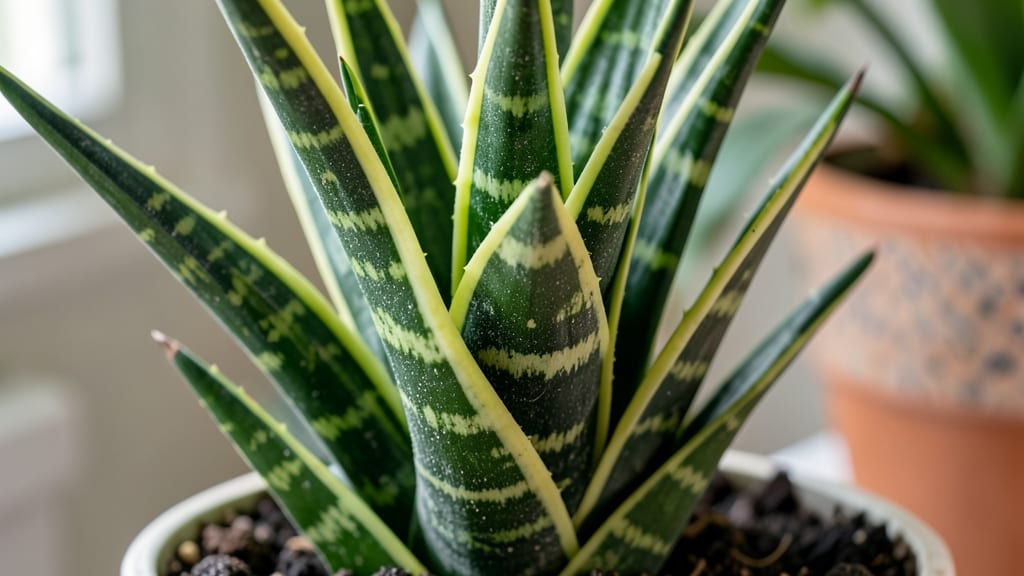
Your snake plant's slow vertical growth isn't a sign of failure—it's just being snake plant. 🌱 These architectural plants grow tall on their own timeline, but the right lighting tricks can encourage straighter, more dramatic stems that reach for the ceiling instead of sprawling sideways.
The secret lies in bright, indirect light—think east-facing windows or a few feet back from a south window. Direct sun scalds the leaves, while dim corners make them stretch weak and leggy.
I've seen snake plants go from 6 inches to 3 feet taller in two years with proper light alone, plus a little patience. They're slow growers, but consistency pays off. You'll notice new growth emerging from the center, pushing upward with a bold, upright posture that makes them stand out.
The leaves stay thick and stiff, not floppy, and the whole plant develops that signature towering presence. It's a long game, but worth it for the striking vertical impact. For best results, rotate your plant every few months so all sides get equal light. And remember—less is more with water.
These plants thrive on neglect, not coddling. The right conditions turn them from wall-hugging survivors into the dramatic centerpiece of your space.
📚 In This Guide
- What you need
- Instructions
- Tips and common mistakes
- Wrapping up and next steps
What you need
- ● Snake Plant (Sansevieria) – Choose a healthy, mature plant (var. 'Laurentii,' 'Futura,' or 'Hahnii' work great!).
- ● Well-draining potting mix – 1 bag (1–2 gallons) of cactus/succulent mix or a blend of: 60% potting soil
- ● 30% perlite or pumice
- ● 10% coarse sand or orchid bark
- ● Pot with drainage holes – 1–2 sizes larger than the current pot (terracotta or ceramic preferred).
- ● Watering can with a narrow spout – For precise hydration (avoid overwatering!).
- ● Bright, indirect light source – South- or west-facing window, or a grow light (12–16 hours/day for tall growth).
- ● Balanced liquid fertilizer – 1 bottle (e.g., 10-10-10 or 20-20-20, diluted to half-strength).
- ● Grow light – LED or fluorescent (15–20W) for low-light spaces.
- ● Moisture meter – To check soil dryness before watering.
- ● Pruning shears – For trimming dead leaves or leggy stems.
- ● Support stake or trellis – If your snake plant starts leaning (uncommon but possible!).
- ● Humidity tray – If your home is very dry (snake plants tolerate low humidity but may grow faster with slight moisture).
Step-by-Step instructions for encouraging snake plant vertical growth
Your snake plant wants to grow tall—it just needs the right conditions to stretch upward naturally.
🌱 Step 1: Choose the Right Light Exposure
Snake plants thrive in bright, indirect light—this is their sweet spot for reaching toward the sky. Place your plant within 3-6 feet of an east- or west-facing window where it gets morning or afternoon sun without harsh afternoon rays. If you only have south-facing windows, position it 6-8 feet back to avoid leaf scorch.
Watch for these signs: If leaves stay short and squat, it needs more light. If they develop brown tips or crisp edges, it’s getting too much direct sun. Adjust placement gradually—snake plants adapt slowly to big light changes, and sudden shifts can stress the plant.
☀️ Step 2: Rotate the Plant Weekly
Here’s the thing—snake plants grow toward light, so they’ll lean toward the window if left alone. To keep stems straight and tall, rotate the pot a quarter turn every 7-10 days. You’ll see the difference within a few weeks: leaves will grow evenly upright instead of stretching toward one side.
Don’t skip this (I learned the hard way). A plant that leans too far can develop weak stems that flop over time. If you notice the leaves tilting, it’s already too late—rotate immediately to encourage new growth to straighten up.
💧 Step 3: Water Only When Soil Is Completely Dry
Overwatering is the #1 enemy of tall, healthy snake plants. These plants store water in their leaves, so they hate soggy soil. Stick your finger 2-3 inches deep into the soil—if it feels dry, it’s time to water. If it’s still damp, wait another 5-7 days before checking again.
When you do water, soak thoroughly until water runs out the drainage hole, then empty the saucer. This deep watering encourages roots to grow downward, supporting taller stems. Yellowing leaves usually mean overwatering—let the soil dry out completely before watering again.
✂️ Step 4: Prune Leggy Stems to Encourage New Growth
If your snake plant develops long, leggy stems with sparse leaves, it’s begging for a trim. Use clean, sharp scissors to cut back the tallest stems about 2 inches above a healthy leaf node. This might look drastic, but it triggers the plant to produce shorter, bushier new growth from the base.
Don’t throw away the cuttings! Place them in water or fresh soil—they’ll root easily and give you new plants. After pruning, move the plant to a bright spot to help it recover faster. You’ll see fresh, compact growth within 4-6 weeks.
🪴 Step 5: Repot Every 2-3 Years for More Space
Snake plants grow tall, but their roots also need room to spread. If you notice roots circling the pot or growing out of the drainage holes, it’s time to repot into a container just 1-2 inches larger in diameter. Use well-draining potting mix—standard garden soil compacts and suffocates roots.
When repotting, gently loosen the roots and trim any that look mushy or black (a sign of rot). Place the plant at the same soil level it was growing before—burying the base too deep can cause rot. After repotting, hold off on watering for 5-7 days to let roots recover.
Tips & tricks for towering snake plant growth
These simple adjustments will help your snake plant reach its full vertical potential while avoiding common pitfalls.
Light Exposure Strategy: In Step 1, when positioning your plant 3-6 feet from east- or west-facing windows, consider adding a sheer curtain if you notice leaves developing brown tips. This diffuses harsh afternoon light while still providing that crucial bright, indirect light. The goal is to mimic natural dappled sunlight—think of what snake plants experience in their native habitats under African forest canopies.
Rotation Reminder: The weekly quarter-turn rotation in Step 2 is non-negotiable for straight stems. I mark my calendar with a reminder because snake plants grow toward light so aggressively they'll lean dramatically in just a few days. If you notice the leaves tilting, it's already too late—rotate immediately to encourage new growth to straighten up. Think of it like giving your plant a weekly "adjustment" to keep it balanced.
Watering Technique: When checking soil moisture in Step 3, use your index finger to test depth—don't just glance at the surface. The 2-3 inch depth check ensures you're assessing the root zone where water actually matters. Pro tip: Use a chopstick or popsicle stick to mark the soil level after watering. When it reaches your mark again, that's your cue to water.
Pruning Secret: In Step 4, when pruning leggy stems, look for the thickest, healthiest leaves about 2 inches below the top. These nodes contain the most growth hormones. After cutting, place your cuttings in a jar of water with just the base submerged—this encourages faster root development. You'll see roots forming within 2-3 weeks if you keep the water changed weekly.
Pro Tips for Make A Snake Plant Grow Tall
- These simple adjustments will help your snake plant reach its full vertical potential while avoiding common pitfalls.
- Light Exposure Strategy: In Step 1, when positioning your plant 3-6 feet from east- or west-facing windows, consider adding a sheer curtain if you notice leaves developing brown tips.
- Rotation Reminder: The weekly quarter-turn rotation in Step 2 is non-negotiable for straight stems.
Frequently asked questions
Got questions about helping your snake plant reach new heights? Here are some of the most common queries—and their answers—to keep your Sansevieria thriving and towering!
How long does it take for a snake plant to grow tall?
A snake plant grows slowly but steadily—expect 6 inches to 12 inches of growth per year under ideal conditions. With patience and proper care (like bright, indirect light and well-draining soil), you’ll see noticeable height gains over 2–5 years. Some mature varieties, like 'Futura Superba,' can even grow 3–4 feet tall!
Why is my snake plant growing wide instead of tall?
If your snake plant is spreading out horizontally, it’s likely due to too much water, low light, or lack of support. Snake plants grow taller with bright, indirect light and infrequent watering (let soil dry completely between waterings). For extra height, gently stake the tallest leaves with a small trellis or bamboo stick to encourage upward growth.
Can I prune my snake plant to make it grow taller?
Pruning won’t directly make your snake plant taller, but it can encourage healthier growth! Trim yellow or damaged leaves at the base to redirect energy to new shoots. Avoid cutting healthy leaves—this can stress the plant. Instead, focus on removing old, brown leaves to promote fresh, upward growth from the center.
What’s the best light for tall snake plant growth?
Snake plants thrive in bright, indirect light (like near an east- or north-facing window). For maximum height, place them in 6–8 hours of light daily. Avoid direct sunlight, which can scorch leaves, or dim corners, which slow growth. If natural light is limited, supplement with a grow light 12 inches above the plant for 14–16 hours a day.
Why did my snake plant stop growing tall and just got shorter?
Sudden stunted growth usually signals root stress, overwatering, or poor soil. Check for root rot (smelly, mushy roots) and repot in well-draining soil if needed. Also, ensure the pot has drainage holes and isn’t too large (over-potting retains moisture). If the plant is crowded, divide it to refresh growth.
Are there faster-growing snake plant varieties?
While all snake plants grow slowly, some varieties outpace others. 'Futura Superba' and 'Hahnii' (bird’s nest snake plant) grow taller faster than compact types like 'Moonshine'. For speed, choose a larger, mature plant (1–2 feet tall) and provide optimal light and nutrients—but expect no overnight miracles!
Wrapping up and next steps
Growing a tall, thriving snake plant is all about patience, consistency, and the right care! By mastering bright, indirect light, providing well-draining soil, and spacing repotting just right, you’ll watch those lush stems reach new heights.
Remember, even slow growers like snake plants reward dedication—so celebrate every inch of progress! 🌱
Ready to see your plant soar? Take action today:
- Adjust lighting if needed (try a south-facing window or grow light).
- Check soil moisture—stick to the "finger test" for confidence.
- Snap a photo now and track growth over 3-6 months!